
Fear does not begin with a monster. It begins with a feeling that something is wrong, a sound from a room you know is empty, a shadow that moves a half second too late. Professional horror ghostwriters understand this better than anyone. Suspense is not an accident. It is architecture.
If you have ever wondered how a horror novel grabs you by the throat on page one and does not let go until the final line, this post is for you. Whether you are an aspiring writer studying the craft or a publisher looking to
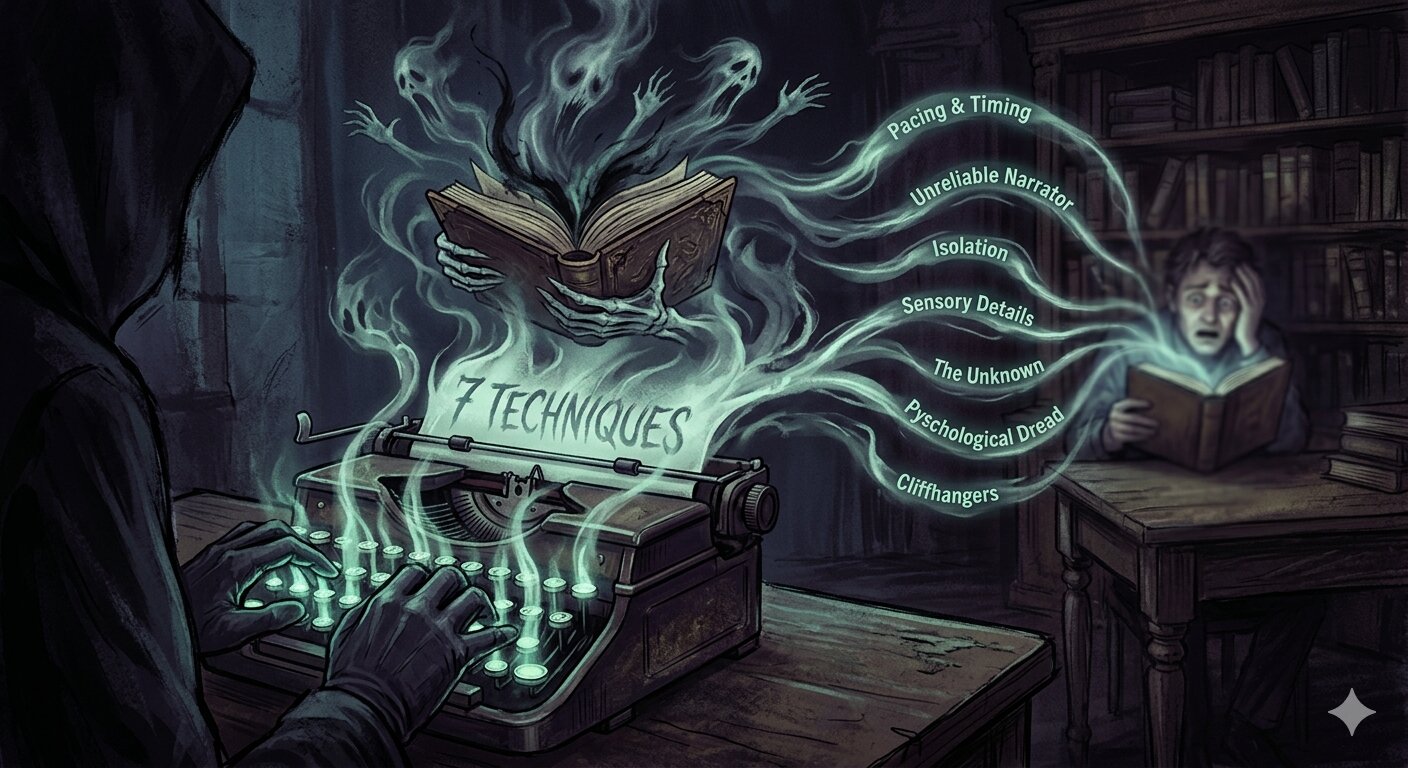
To understand what makes a horror book ghostwriter worth hiring, these seven techniques reveal the mechanics behind the fear.
Nothing is scarier than what the reader cannot see. Experienced horror ghostwriters know that withholding information is one of the most powerful suspense-building tools available. The delayed reveal works by giving the reader just enough to sense that something terrible is coming while never quite confirming the full shape of the threat.
Think of it as a slow zoom on a dark doorway. You know something is there. You can almost make out a shape. But the light never quite reaches it.
When you
hire a ghostwriter for horror fiction, you are hiring someone who knows exactly when to show and when to withhold. That timing is everything. Reveal too much, too fast, and fear evaporates. Hold back too long without payoff, and readers lose interest. The delayed reveal requires discipline and an understanding of narrative pacing.
Introduce a threat through its effects, not its appearance. Let characters hear something, find evidence of it, feel its presence. Save the full reveal for the moment of maximum impact.
One of the most underused techniques in horror writing is the unreliable narrator. When readers cannot fully trust the character telling the story, every page becomes unstable. Is the threat real or imagined? Is the protagonist sane? Is what we are reading actually happening?
This technique works by creating a second layer of dread. Readers are not only afraid of what might happen to the character. They are also afraid that they might be wrong about everything they think they know about the story.
Professional
ghost writing services that specialize in horror understand how to plant doubt in the reader's mind without frustrating them. The key is that the narrator's unreliability must feel earned, not like a cheap trick. Small inconsistencies, emotional volatility, moments of memory loss, or a history the reader is only partially shown all contribute to this effect.
Writers searching for how to write an unreliable narrator in horror or unreliable narrator horror examples represent a growing content gap. This technique is widely referenced but rarely taught in depth, making it an excellent topic cluster for any horror ghostwriting site.
Fear lives in the body. The best horror writing does not just tell readers something is frightening. It makes them feel it physically. Professional horror ghostwriters toggle between two states: sensory overload and sensory deprivation.
Sensory overload floods the scene with detail. The smell of copper and rot. The wet sound of breathing in a space that should be empty. The unbearable weight of silence that is somehow louder than noise. These details do not just set the scene. They put the reader inside the character's nervous system.
Sensory deprivation, on the other hand, strips the scene down. A character in total darkness. A house where all the clocks have stopped. A moment of such stillness that the reader holds their breath along with the protagonist.
When you read a horror novel that genuinely disturbs you, chances are the author, or the
horror book ghostwriter behind it, understood how to use the senses as a weapon.
Horror demands isolation. Whether physical (a cabin miles from town), social (a character no one believes), or psychological (a mind turning against itself), the protagonist must be cut off from safety, help, and the ordinary world.
This is not simply about setting. Isolation is a structural principle. It removes safety nets. It eliminates easy solutions. It forces the character, and the reader, to face whatever is coming with no exit.
Skilled horror ghostwriters establish isolation early and reinforce it at every turn. Every attempt the character makes to reach help fails. Every ally is taken away. Every door that might offer escape is locked. By the time the climax arrives, the character is profoundly and completely alone.
This technique connects directly to the reader's most primal fears. We are social creatures. Isolation is psychologically threatening by nature. A well-written horror story exploits that instinct at every opportunity.
Pacing in horror is not just about speed. It is about rhythm. Professional horror ghostwriters understand that fear requires contrast. Long, slow, quiet scenes make sudden bursts of action or revelation hit harder. Short, punchy sentences at the peak of a scare sequence create a racing, breathless quality that mirrors the character's panic.
Many writers searching for horror story pacing tips are looking for a formula. But the truth is that pacing is felt, not calculated. It is the result of a writer who knows when to slow down and let dread accumulate and when to cut the tension loose.
If you are considering using a
professional ghost writing service for your horror novel, pacing is one of the most valuable things an experienced horror ghostwriter brings to the table. It is a skill built over years of reading and writing in the genre, and it is nearly impossible to teach in a single sitting.
Horror becomes truly effective when it invades places that are supposed to be safe. The home. The childhood bedroom. The body itself. When a horror story takes an environment that should represent comfort and security and twists it into something threatening, it triggers a deep, instinctive fear response.
This technique works because it removes the last refuge. There is no safe room to retreat to. The monster is in the house. The danger is in the mirror. The threat is already inside.
Writers who hire ghost writers for horror novels often underestimate how important this technique is. The setting of a horror story is not just backdrop. It is an active participant in building dread. A skilled ghostwriter will use the setting to betray the character at exactly the right moment.
Great horror stories are defined by irreversibility. Something happens that cannot be taken back. A character makes a choice, or a choice is made for them, and the world of the story is permanently altered. Death, transformation, revelation, loss. The reader knows, with a cold certainty, that there is no return to the way things were.
This technique builds the deepest, most lasting fear because it mirrors reality. We know, in our own lives, that some things cannot be fixed. Horror fiction taps into that knowledge and makes it visceral.
Professional horror ghostwriters build toward irreversible consequences deliberately. Every scene, every choice, every small moment of tension is a brick in a wall that will eventually come down on the characters in a way the reader will not easily forget.
Reading about these techniques is one thing. Executing them across 80,000 words of a novel is another challenge entirely. Each technique must be deployed at the right moment, at the right intensity, in service of a story that also has to function as a compelling narrative with believable characters and a satisfying structure.
This is why so many authors, publishers, and content creators choose to
hire a horror ghostwriter rather than attempting to master the genre alone. A professional brings genre knowledge, craft, and the objectivity that comes from being outside the story. They can see the fear from the reader's perspective in a way the author often cannot.
Whether you need a full novel, a short story collection, or a series of horror novellas, working with an experienced horror book ghost writer ensures that every page functions the way it should: to unsettle, to disturb, and to stay with the reader long after they have finished.
Horror ghostwriting requires a deep understanding of fear psychology, genre conventions, and pacing. A ghostwriter working in horror must know how to build dread over long stretches of narrative and deliver payoffs that feel earned. It is a specialized skill that not every ghostwriter possesses.
Ask for samples that demonstrate suspense-building, pacing, and atmosphere. A strong horror ghostwriter should be able to show you scenes that create genuine dread, not just describe violence or monsters. Look for technique, not just shock value.
Yes. Delayed reveals, unreliable narrators, and isolation are used across thriller, mystery, and psychological fiction. However, horror applies them with the specific goal of producing fear, which changes how they are deployed and how far they are taken.
A full-length horror novel typically takes three to six months with a professional ghostwriter, depending on the length, complexity, and revision requirements. Some projects move faster when the author has a detailed outline ready to share.
Suspense is not magic. It is craft. The techniques outlined here represent decades of accumulated wisdom from horror writers who understood that fear must be built, not simply declared. Delayed reveals, unreliable narrators, sensory immersion, isolation, pacing, the violation of safe spaces, and irreversible consequences are the foundations of horror that genuinely works.
If you are ready to bring your horror vision to life with a writer who knows how to use every one of these tools, explore our horror book ghostwriting services and see what a professional can do with your story.
This post is part of our complete guide: The Complete Guide to Hiring a Professional Ghostwriter in 2026
Absolutely. Ghostwriting has been a standard publishing practice for centuries. Countless bestsellers across memoir, business, and fiction have been written with ghostwriting support. What matters is that the ideas, story, and vision are yours — which is always true when you work with a professional.
Yes — many professional agencies offer flexible payment plans. Shadow Ghostwriter currently offers up to 50% off on consultation. Starting with a free consultation is the best way to understand your options without any commitment.
A standard 200-page book typically takes 2–3 months with a professional service. Larger or more complex projects with research and marketing components run 3–5 months. Rush timelines are often available at an additional cost.
With any reputable ghostwriting agency, yes — you retain 100% ownership and copyright. Shadow Ghostwriter explicitly guarantees complete content ownership in all their packages. Always confirm this in writing before signing any contract.
The most cost-effective route is a bundled agency package that includes writing, editing, and publishing. This avoids the "hidden cost trap" of hiring separately for each service — and typically delivers a higher-quality result with less friction.
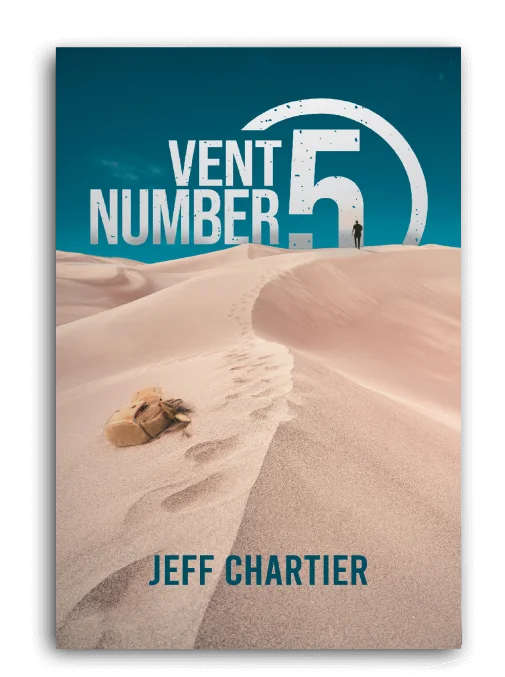
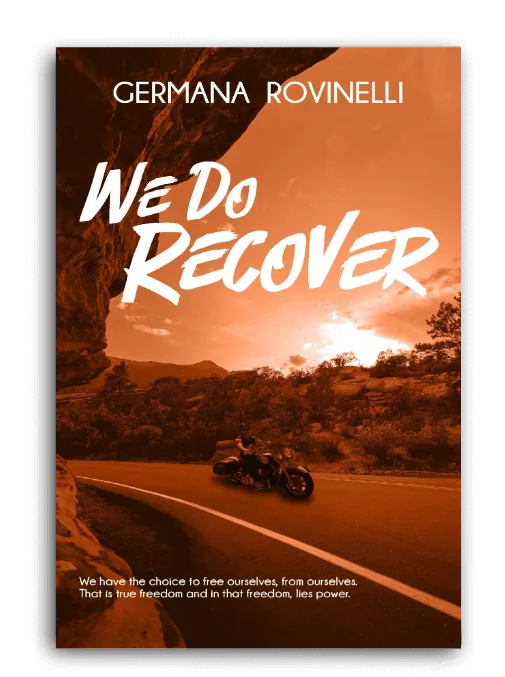
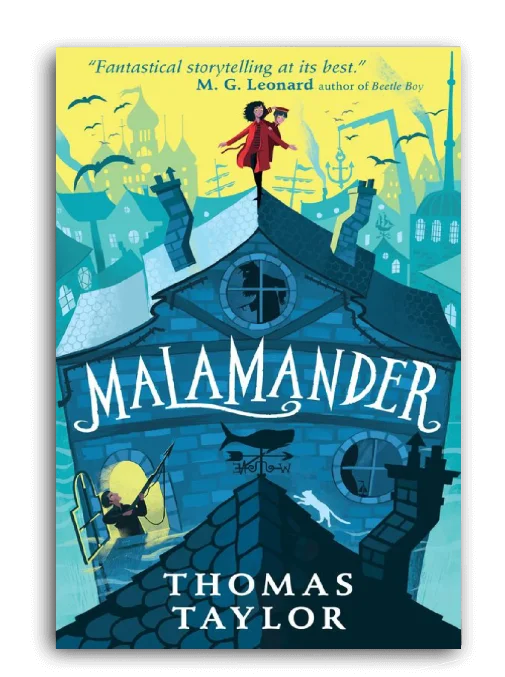
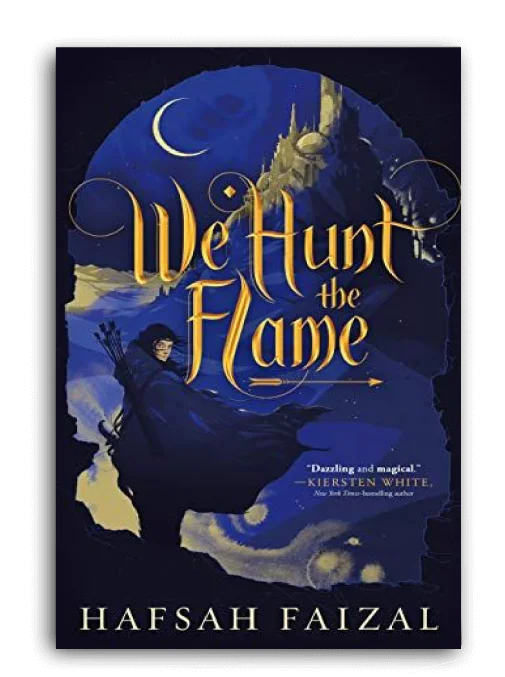
We have been able to successfully complete a number of projects of different dimensions and scopes. Business leaders, working professionals and large and small organizations are just a few of our clients. Here are some books we've written and published for our clients: