
Every compelling novel, short story, or screenplay starts with one thing: structure. Whether you are a first-time author or a seasoned ghostwriter for fiction, understanding proven story structures is what separates a manuscript that grips readers from one that loses them by chapter three.
Story structure is not a cage. It is a scaffold. The five frameworks below have powered some of the most beloved works in literary and cinematic history, and each one offers a different lens for building narrative tension, character growth, and emotional payoff.
If you are working with a professional ghostwriter or developing your own manuscript, learning these structures will sharpen every decision you make from outline to final draft.
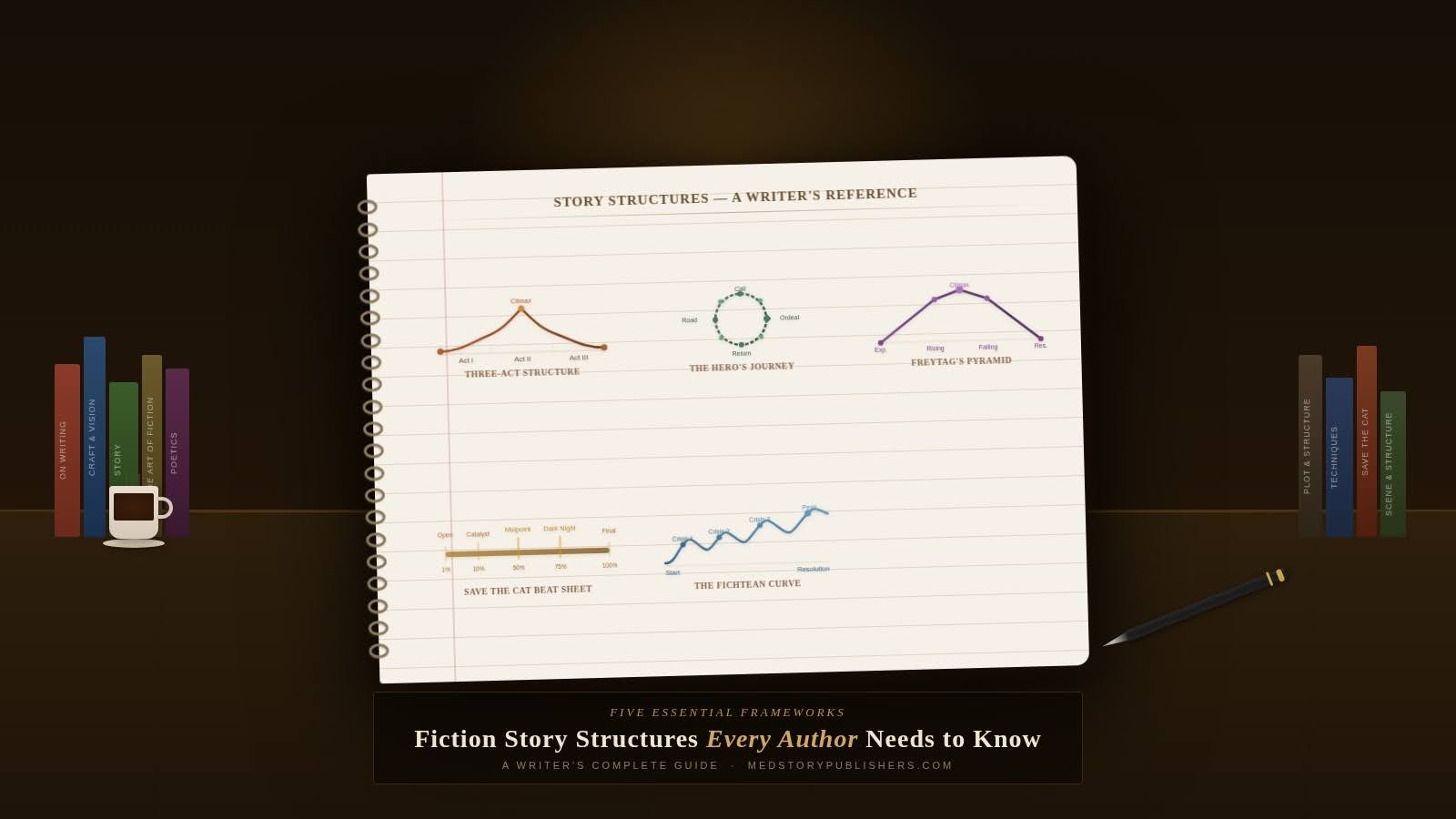
The three-act structure is the foundation of Western storytelling. Rooted in Aristotle's Poetics and refined across centuries of drama and fiction, it divides a story into Setup, Confrontation, and Resolution.
In Pride and Prejudice by Jane Austen, Act 1 introduces Elizabeth Bennet and Mr. Darcy at the Netherfield ball. Act 2 tracks their clashing personalities, misunderstandings, and Darcy's disastrous first proposal. Act 3 resolves every obstacle as both characters shed their pride and prejudice to find mutual respect and love.
Novels, screenplays, and any narrative where a clear beginning, middle, and end serves the story. The three-act structure is especially useful for fiction ghostwriting projects where a client needs a familiar, marketable framework.
Popularized by mythologist Joseph Campbell in The Hero with a Thousand Faces and adapted for fiction writers by Christopher Vogler, the Hero's Journey (also called the Monomyth) maps a protagonist's transformation through 12 archetypal stages.
J.R.R. Tolkien's The Lord of the Rings follows Frodo Baggins from the comfort of the Shire (Ordinary World) through his acceptance of the One Ring (Call to Adventure), his fellowship with Gandalf and the Company (Mentor/Allies), the horrors of Mordor (Ordeal), and his return home changed forever (Return with the Elixir).
Fantasy, science fiction, adventure, and coming-of-age stories. If you are collaborating with a ghostwriter for a fantasy novel, the Hero's Journey gives both parties a universal language for mapping character transformation.
Blake Snyder's Save the Cat is arguably the most precise story structure tool available. Originally designed for screenwriting, it has been widely adopted for novel writing, particularly in commercial fiction. The beat sheet maps 15 specific story beats across three acts.
In Gone Girl by Gillian Flynn, the opening image is Nick and Amy's unsettling anniversary morning. The catalyst is Amy's disappearance. The midpoint flips the reader's understanding entirely with Amy's diary reveal. The all-is-lost moment arrives when Nick's guilt seems certain. The finale subverts genre expectations with a chilling resolution that mirrors the opening's quiet menace.
Commercial fiction, thrillers, romance, and any genre where pacing and market appeal matter. Many ghostwriting clients specifically request Save the Cat frameworks because the beat sheet produces commercially viable, reader-friendly manuscripts.
Dan Harmon, creator of Community and co-creator of Rick and Morty, developed the Story Circle as a distilled version of the Hero's Journey. It compresses the monomyth into eight steps arranged in a circle, reflecting the psychological truth that characters must venture out of comfort, face the unknown, and return changed.
In Kazuo Ishiguro's Never Let Me Go, Kathy (You) lives in the sheltered world of Hailsham. Her need is love and identity. She ventures out (Go) into the real world, searches for meaning in her relationships (Search), finds love with Tommy (Find), but pays a devastating price as both face their fates (Take). The return is her solitary survival (Return), and the change is her quiet, heartbreaking acceptance (Change).
Literary fiction, character studies, and serialized storytelling. The Story Circle is exceptionally effective for tracking internal transformation alongside external plot, making it a strong tool for any author focused on emotional depth.
Developed by 19th-century German novelist and playwright Gustav Freytag, Freytag's Pyramid is one of the oldest structural models in Western fiction. It maps dramatic structure across five stages, emphasizing the rise and fall of dramatic tension.
Shakespeare's Macbeth demonstrates Freytag's Pyramid with precision. The exposition introduces Macbeth as a celebrated general. Rising action tracks his ambition as he murders King Duncan. The climax arrives at Banquo's ghost appearing at the banquet, fracturing Macbeth's composure. Falling action sees his reign crumble under guilt and rebellion. The denouement is his death and Malcolm's restoration of order.
Classical drama, literary fiction, and stories built around a central tragic or triumphant arc. Freytag's Pyramid works particularly well for short fiction, novellas, and any narrative that prioritizes emotional escalation over subplot complexity.
No single framework is universally superior. The right structure depends on your genre, narrative goals, and the emotional experience you want to create for your reader.
Here is a quick reference:
Many professional authors and fiction ghostwriters combine elements from multiple structures, using the Hero's Journey for macro story shape and Save the Cat beats to tune pacing at the chapter level.
Understanding story structure is one thing. Executing it across 80,000 words is another. If you have a story to tell but need support bringing it to the page, Shadow Ghost Writer offers professional fiction ghostwriting services built on a deep understanding of narrative craft.
Whether you need a full manuscript written, a developmental outline using one of these frameworks, or an experienced collaborator to refine your existing draft, our ghostwriting team is ready to help you bring your story to life.
Your story deserves the right structure. Let's build it together.
Absolutely. Ghostwriting has been a standard publishing practice for centuries. Countless bestsellers across memoir, business, and fiction have been written with ghostwriting support. What matters is that the ideas, story, and vision are yours — which is always true when you work with a professional.
Yes — many professional agencies offer flexible payment plans. Shadow Ghostwriter currently offers up to 50% off on consultation. Starting with a free consultation is the best way to understand your options without any commitment.
A standard 200-page book typically takes 2–3 months with a professional service. Larger or more complex projects with research and marketing components run 3–5 months. Rush timelines are often available at an additional cost.
With any reputable ghostwriting agency, yes — you retain 100% ownership and copyright. Shadow Ghostwriter explicitly guarantees complete content ownership in all their packages. Always confirm this in writing before signing any contract.
The most cost-effective route is a bundled agency package that includes writing, editing, and publishing. This avoids the "hidden cost trap" of hiring separately for each service — and typically delivers a higher-quality result with less friction.
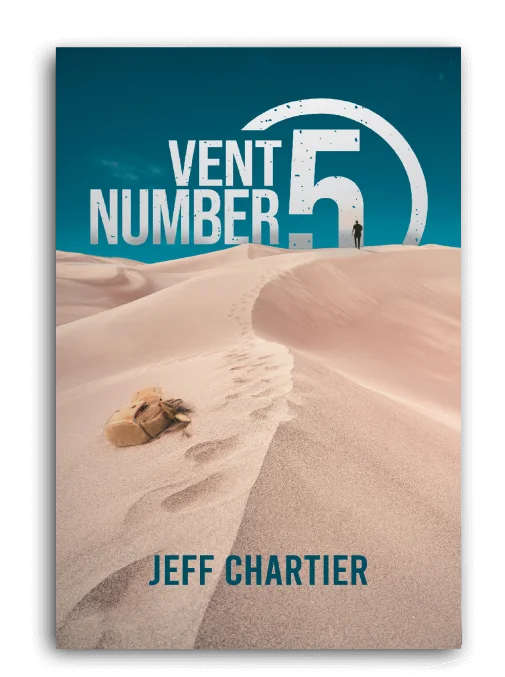
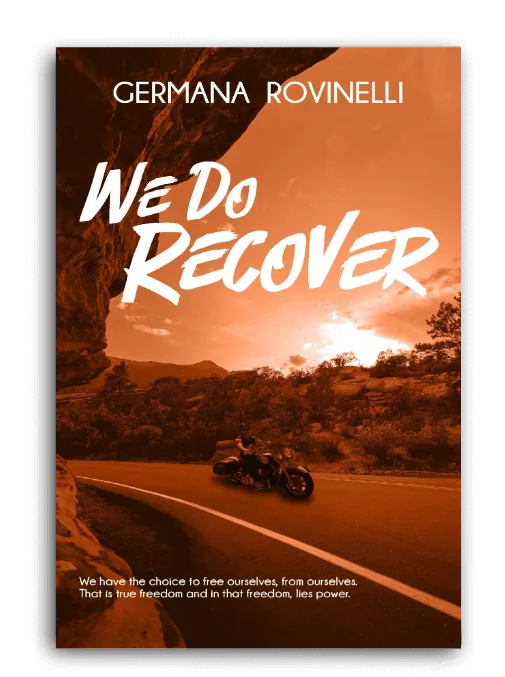
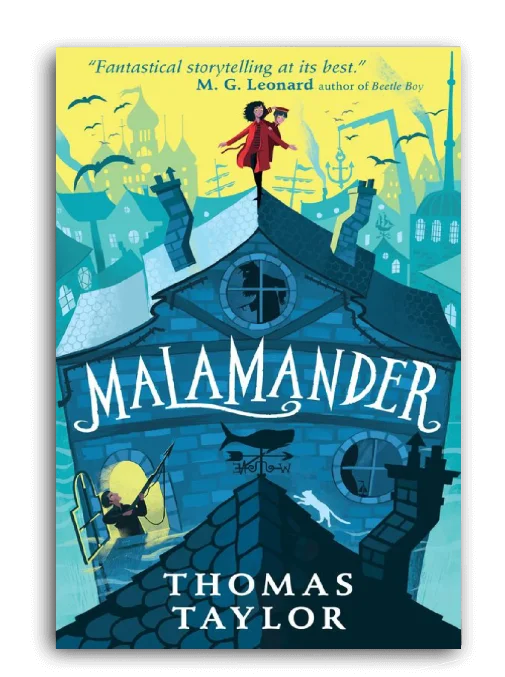
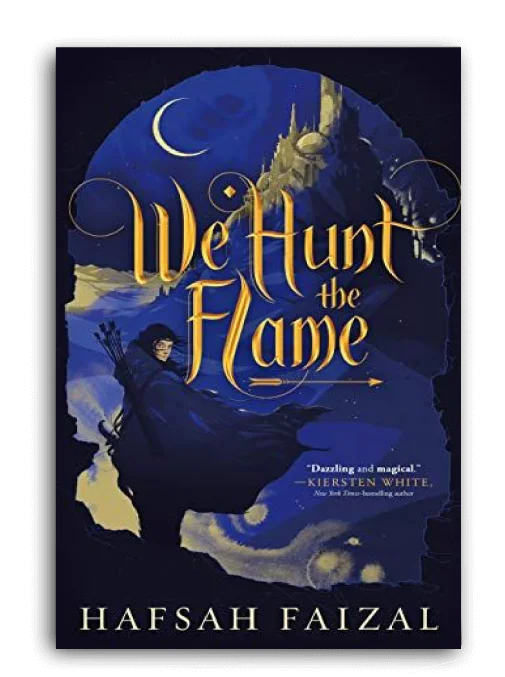
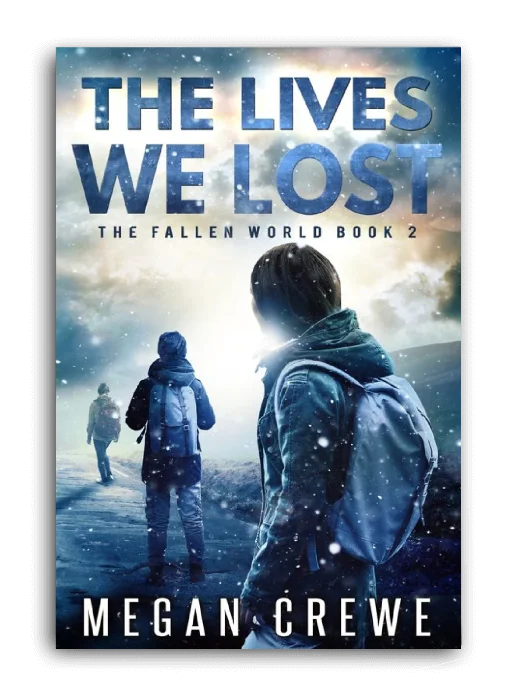
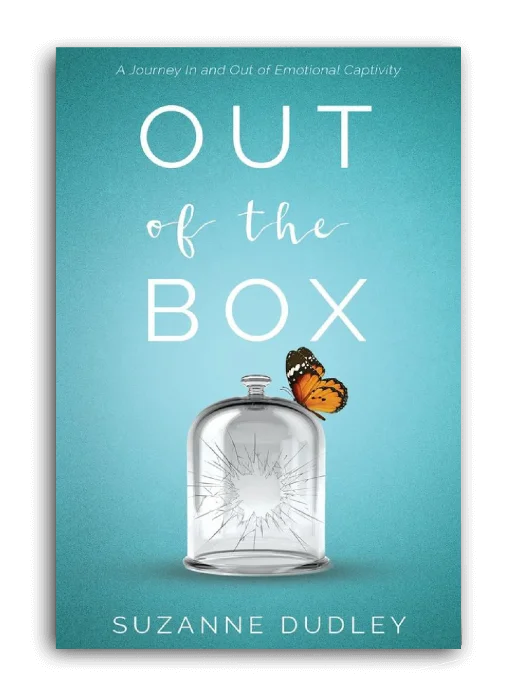
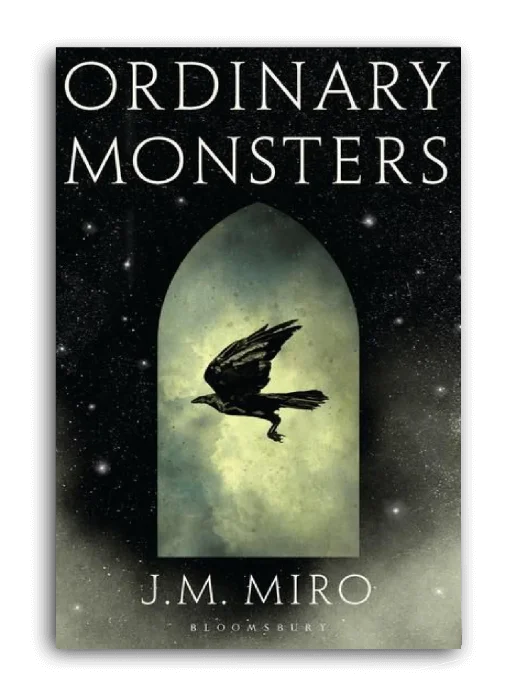
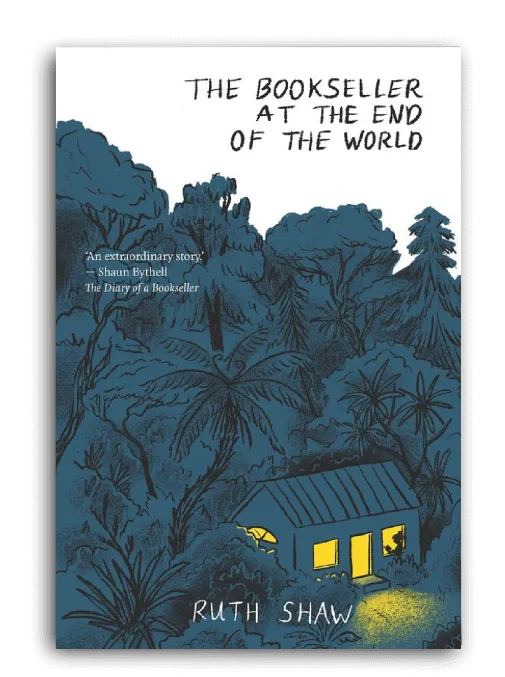
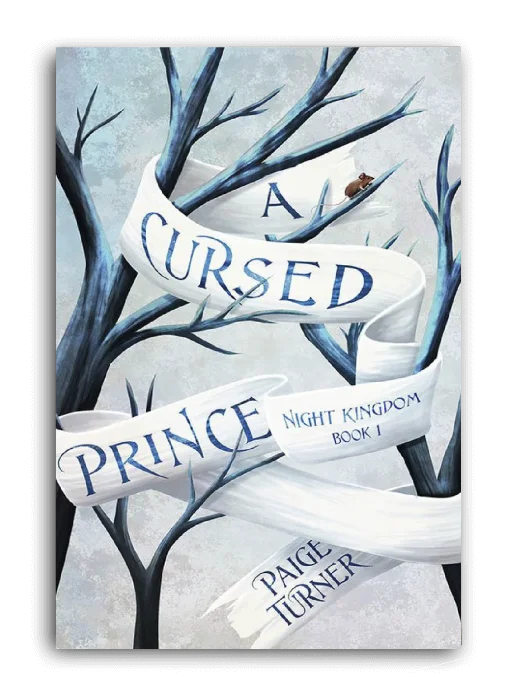
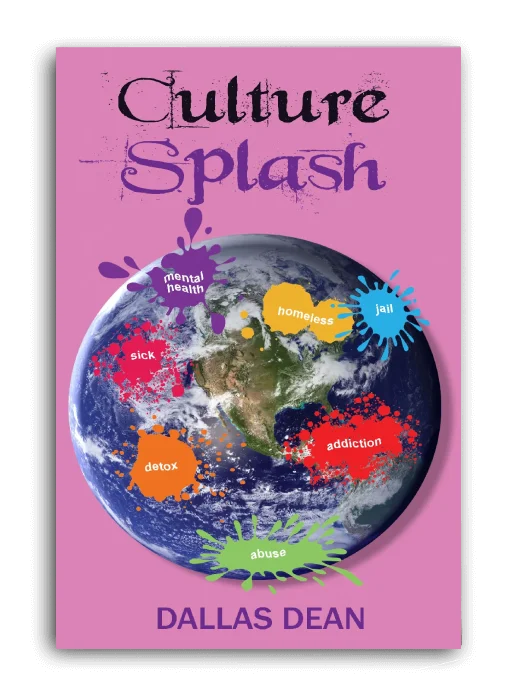
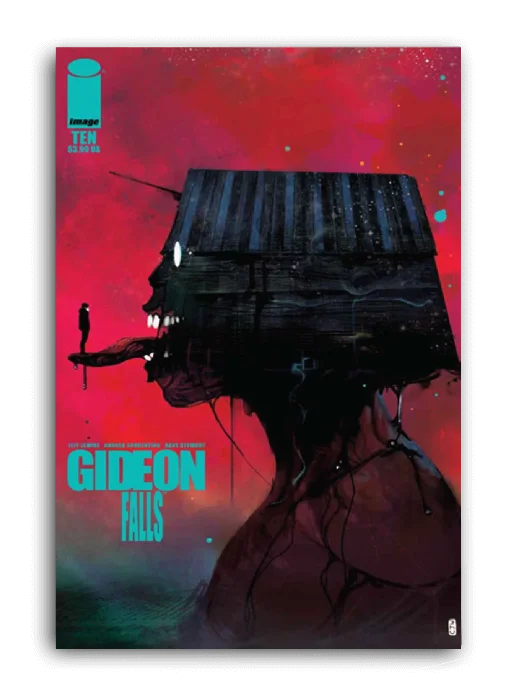
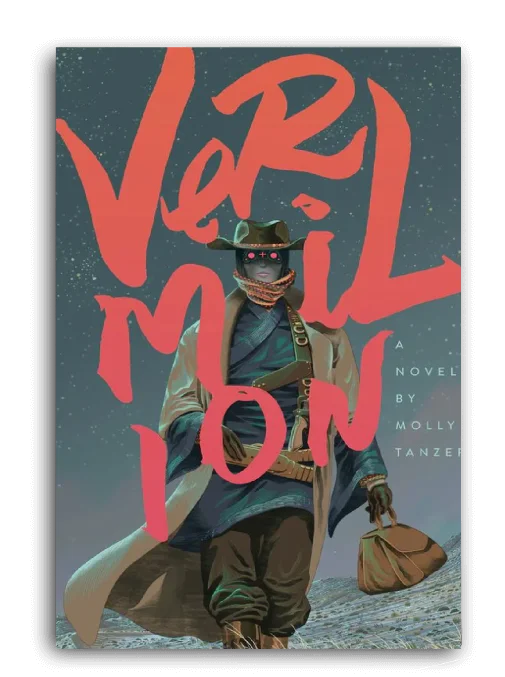
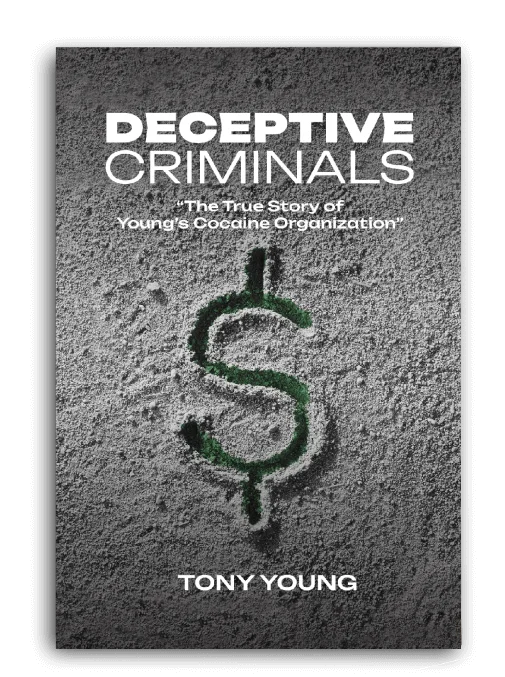
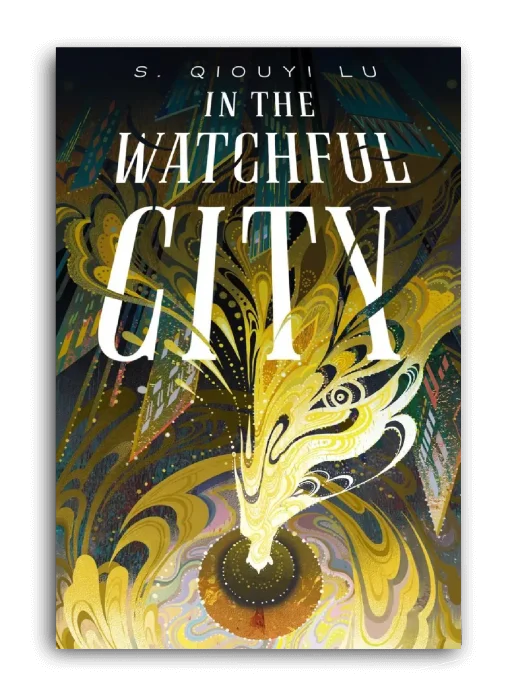
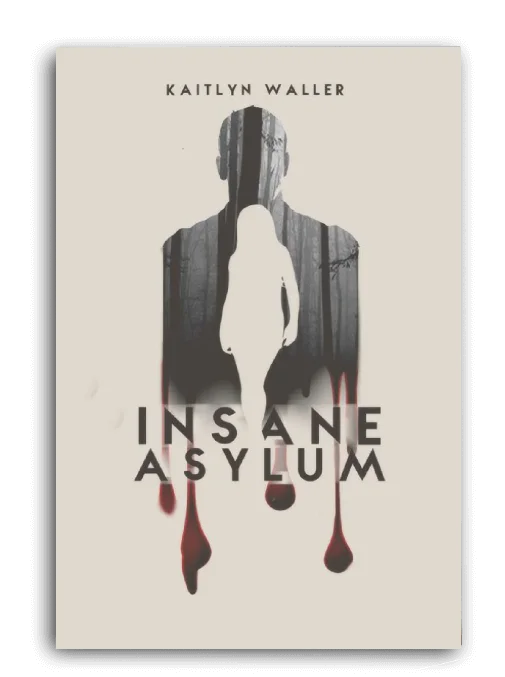
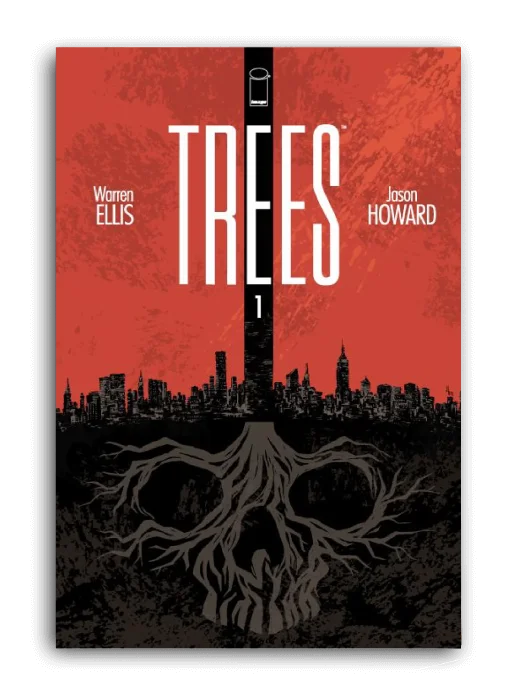
We have been able to successfully complete a number of projects of different dimensions and scopes. Business leaders, working professionals and large and small organizations are just a few of our clients. Here are some books we've written and published for our clients: