
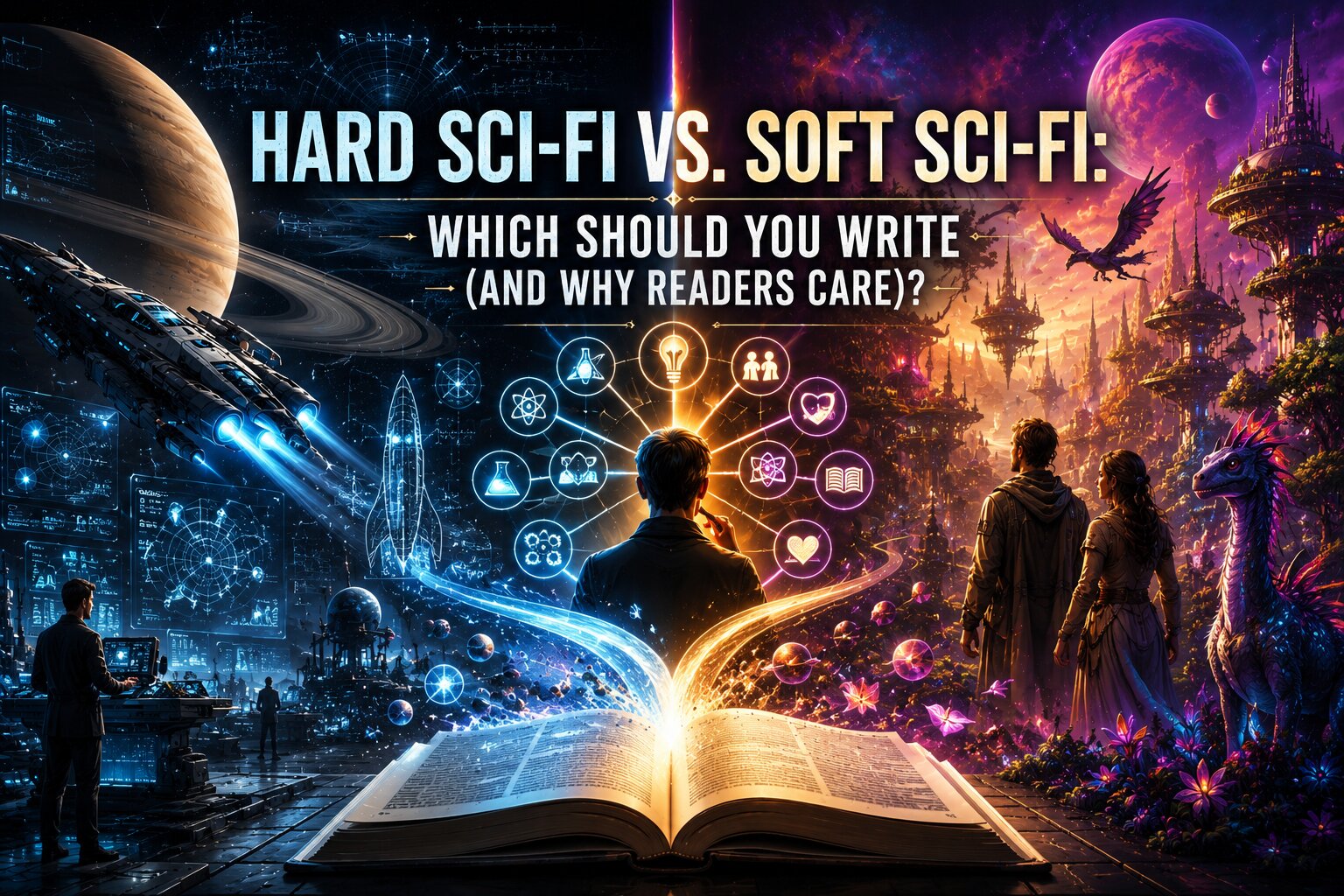
Science fiction is one of the most expansive genres in publishing, but not all sci-fi is created equal. Before you write a single word of your novel, you face a foundational choice: do you go hard or soft?
This is not just a stylistic question. It shapes your research process, your world-building approach, your target readership, and ultimately your book's commercial potential.
Whether you are planning to write your manuscript yourself or working with a professional sci-fi ghostwriter, understanding the difference between hard and soft science fiction can help you make smarter, more creative, and business decisions from day one.
|
Factor |
Hard Sci-Fi |
Soft Sci-Fi |
|
Core Focus |
Scientific accuracy and technical plausibility |
Human behavior, society, and speculative ideas |
|
Research Demands |
High (physics, biology, engineering, etc.) |
Moderate (sociology, psychology, political theory) |
|
World-Building Depth |
Systems-driven, rules-based |
Culturally-driven, character-centered |
|
Audience |
STEM-oriented readers, tech enthusiasts |
Literary readers, general fiction fans |
|
Market Competition |
Niche but loyal |
Broader but more crowded |
|
Famous Examples |
The Martian, Blindsight, Seveneves |
The Left Hand of Darkness, Brave New World, Annihilation |
Hard science fiction prioritizes scientific and technical accuracy above almost everything else. The speculative elements in a hard sci-fi story are grounded in real or plausible science, extrapolated responsibly from existing knowledge.
Readers of hard sci-fi expect the science to hold up. They will notice if orbital mechanics are wrong, if a spacecraft maneuver is physically impossible, or if the biology of an alien ecosystem contradicts evolutionary principles.
Classic hard sci-fi authors like Arthur C. Clarke, Kim Stanley Robinson, and Andy Weir built devoted audiences precisely because their work could stand up to scrutiny from scientists and engineers.
Soft science fiction uses speculative premises as a backdrop for exploring human experience. The science does not need to be airtight. What matters is the social, psychological, or philosophical truth the story uncovers.
The term soft does not mean lesser. Ursula K. Le Guin, considered one of the greatest science fiction writers of the twentieth century, wrote almost exclusively in the soft tradition. Her novels explored gender, anthropology, and politics through alien civilizations without worrying whether faster-than-light communication was technically feasible.
World-building is where the divide between hard and soft sci-fi becomes most visible on the page.
In hard sci-fi, the world operates by rules. Those rules must be internally consistent and ideally grounded in real science. If you establish that your spaceship uses a specific propulsion system, the travel times, fuel requirements, and physical consequences need to follow logically.
This kind of world-building is technically demanding. Writers often maintain detailed reference documents, consult subject matter experts, or work with collaborators who have scientific backgrounds.
If you are working on a complex hard sci-fi project and need support, ghostwriting services for science fiction can pair you with a writer who has the technical knowledge to keep your world consistent across hundreds of pages.
Soft sci-fi worlds are built around culture, history, and social structure. The author asks, "What kind of society would emerge under these conditions?" How would people organize themselves, fall in love, go to war, or worship?
The best soft sci-fi world-building creates civilizations that feel lived-in and human, even when the inhabitants are not human at all. The detail is anthropological rather than technical.
Understanding your reader is one of the most important parts of planning any book. Hard and soft sci-fi attract genuinely different audiences, and those audiences have different expectations when they open your book.
Neither audience is easier to satisfy. Hard sci-fi readers are demanding in one way; soft sci-fi readers are demanding in another. The key is knowing which demands you are prepared to meet.
Writing hard science fiction is research-intensive. Before you put your protagonist on a generation ship or describe the surface of Europa, you need to understand the physics of long-duration spaceflight, the actual conditions on icy moons, and the biological challenges of living in low gravity.
This does not mean you need a PhD. But it does mean you need to read widely, consult credible sources, and be willing to revise your plot when the science does not support it. Many hard sci-fi writers maintain relationships with scientists or use technical advisors.
For authors who want to write hard sci-fi but feel intimidated by the research demands, working with a ghostwriter who has subject matter expertise can be a practical solution. The ghostwriter handles the technical scaffolding while you focus on the story you want to tell.
Soft sci-fi research is no less serious, but it draws from different disciplines. You might spend time studying anthropology to understand how isolated societies develop distinct languages and rituals. You might read political theory to build a convincing authoritarian government. You might research historical parallels to give your fictional civilization credibility.
The research still matters. Soft sci-fi that reads as shallow or socially naive will lose readers just as fast as hard sci-fi with broken physics.
This is the question most authors want answered, and the honest answer is that it depends on execution more than subgenre. Both hard and soft sci-fi have produced bestsellers, award winners, and long-running series.
Hard sci-fi has a devoted niche audience. Books like The Martian by Andy Weir and Project Hail Mary have crossed over into mainstream bestseller territory because the human story was strong enough to carry non-technical readers alongside the core audience.
The challenge is that genuine hard sci-fi has a narrower ceiling unless you can write both rigorous science and compelling human drama. Books that lean too technical without emotional hooks tend to stay within the community rather than break out.
Soft sci-fi enjoys a broader potential audience and easier crossover into literary fiction markets. Books like Station Eleven, Never Let Me Go, and The Road (sometimes classified as speculative fiction) reached mainstream audiences who do not typically read science fiction at all.
The challenge with soft sci-fi is that the market is more crowded. Literary speculative fiction is a growing category with significant competition from established names and debut authors alike.
Many commercially successful sci-fi books blend elements of both. They have enough scientific grounding to satisfy readers who want plausibility and enough social and emotional depth to engage the broader literary audience. This hybrid approach is worth considering if you want to maximize your book's market reach.
If you are developing a sci-fi concept and want strategic input on positioning it for publication, our ghostwriting consultation process can help you think through how to frame your book for the right market.
There is no universally correct answer, but there are questions that can point you toward the right choice for your project.
Science fiction is one of the most demanding genres to write well, whether you are working in the hard or soft tradition. The world-building alone can take months. Add to that the research, the plot architecture, the character development, and the prose craft, and many authors find the process overwhelming.
A sci-fi ghostwriter can take on the heavy lifting while preserving your creative vision. Whether you need someone to build out a technically rigorous hard sci-fi universe or to develop a nuanced soft sci-fi society from your initial concept, professional ghostwriting support can get your book written and ready for publication.
At Shadow Ghost Writer, we work with authors across every fiction genre, including science fiction. Our writers understand both the technical demands of hard sci-fi and the cultural complexity of soft sci-fi. Learn more about our ghostwriting process or get in touch to discuss your project.
Hard sci-fi prioritizes scientific accuracy and technical plausibility, often drawing from physics, chemistry, biology, and engineering. Soft sci-fi uses speculative premises to explore human behavior, society, and culture, drawing more from the social sciences. Both are legitimate and commercially viable subgenres.
Hard sci-fi is more research-intensive, requiring writers to maintain scientific accuracy throughout the manuscript. Soft sci-fi demands deep engagement with social dynamics, culture, and human psychology. Both require significant craft and preparation; the type of difficulty differs rather than the degree.
Both subgenres have produced bestsellers and award winners. Soft sci-fi generally has broader crossover appeal into the literary fiction market, while hard sci-fi has a more niche but deeply engaged readership. Market performance depends more on execution and story quality than on subgenre classification.
Yes. Many successful science fiction novels blend elements of both. Books like Children of Time and Blindsight have strong scientific foundations but also explore social and philosophical themes deeply. A hybrid approach can expand your potential readership.
Yes. Professional ghostwriters who specialize in science fiction can support both subgenres. A hard sci-fi ghostwriter needs subject matter knowledge in the relevant scientific disciplines. A soft sci-fi ghostwriter needs strong world-building and social dynamics skills. Shadow Ghost Writer works with authors on both types of projects.
Notable hard sci-fi examples include The Martian by Andy Weir, Blindsight by Peter Watts, Seveneves by Neal Stephenson, A Fire Upon the Deep by Vernor Vinge, and the Mars trilogy by Kim Stanley Robinson.
Notable soft sci-fi examples include The Left Hand of Darkness by Ursula K. Le Guin, Brave New World by Aldous Huxley, Kindred by Octavia Butler, The Handmaid's Tale by Margaret Atwood, and Never Let Me Go by Kazuo Ishiguro.
The choice between hard and soft science fiction is ultimately a choice about what kind of story you want to tell and what kind of reader you want to reach. Neither path is easier or more valuable than the other.
Hard sci-fi rewards rigorous preparation and technical honesty. Soft sci-fi rewards social imagination and emotional depth. The best science fiction, regardless of where it falls on the spectrum, starts with a writer who is genuinely passionate about the ideas at the core of their story.
If you know what story you want to tell but need help getting it onto the page, Shadow Ghost Writer is here to help. From initial concept development to final manuscript, we work with sci-fi authors at every stage of the writing process.
This post is part of our complete guide: The Complete Guide to Hiring a Professional Ghostwriter in 2026
Absolutely. Ghostwriting has been a standard publishing practice for centuries. Countless bestsellers across memoir, business, and fiction have been written with ghostwriting support. What matters is that the ideas, story, and vision are yours — which is always true when you work with a professional.
Yes — many professional agencies offer flexible payment plans. Shadow Ghostwriter currently offers up to 50% off on consultation. Starting with a free consultation is the best way to understand your options without any commitment.
A standard 200-page book typically takes 2–3 months with a professional service. Larger or more complex projects with research and marketing components run 3–5 months. Rush timelines are often available at an additional cost.
With any reputable ghostwriting agency, yes — you retain 100% ownership and copyright. Shadow Ghostwriter explicitly guarantees complete content ownership in all their packages. Always confirm this in writing before signing any contract.
The most cost-effective route is a bundled agency package that includes writing, editing, and publishing. This avoids the "hidden cost trap" of hiring separately for each service — and typically delivers a higher-quality result with less friction.
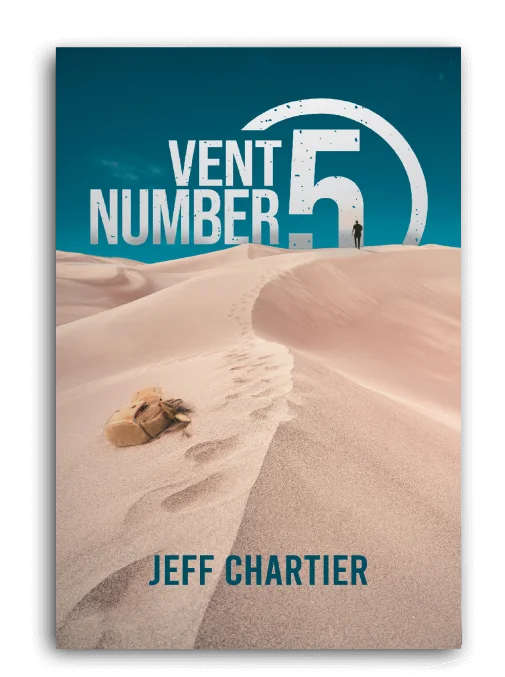
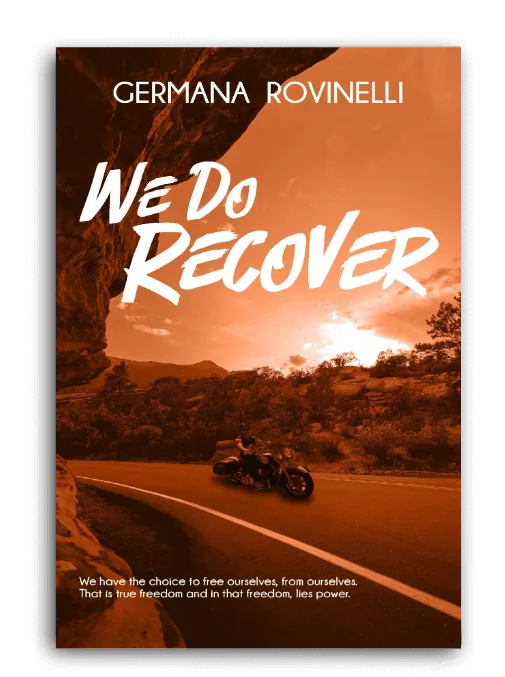
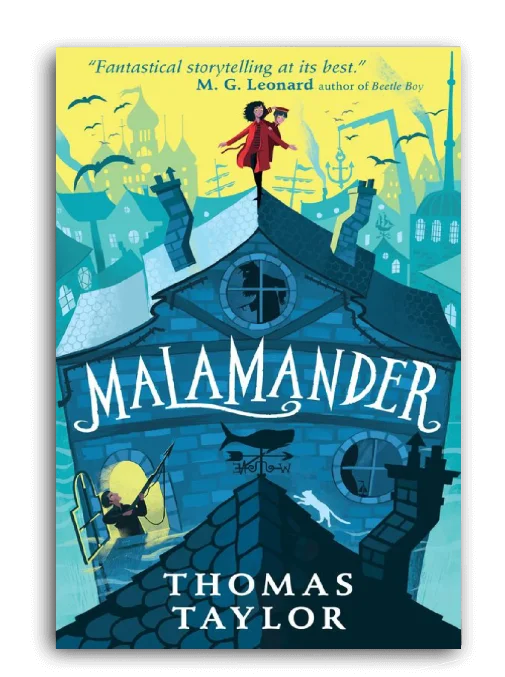
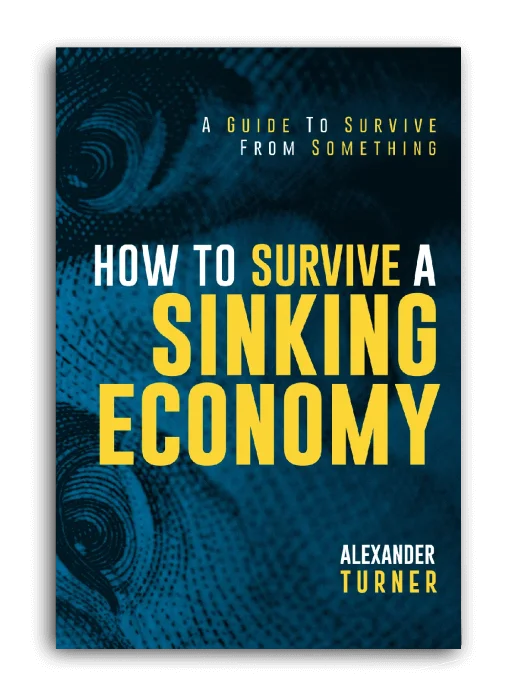
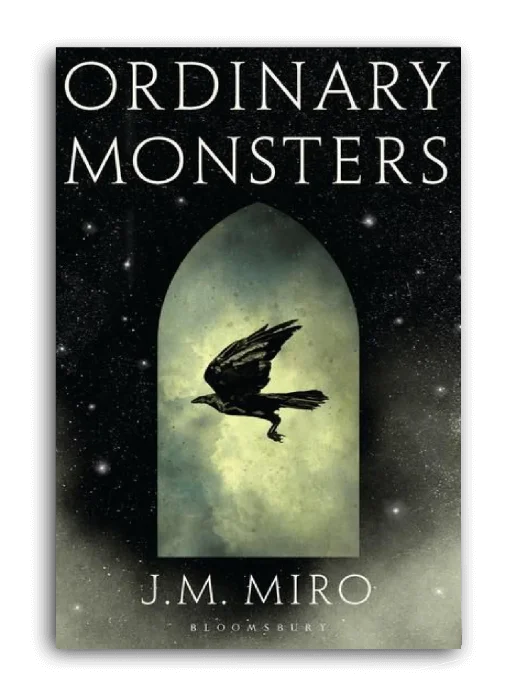
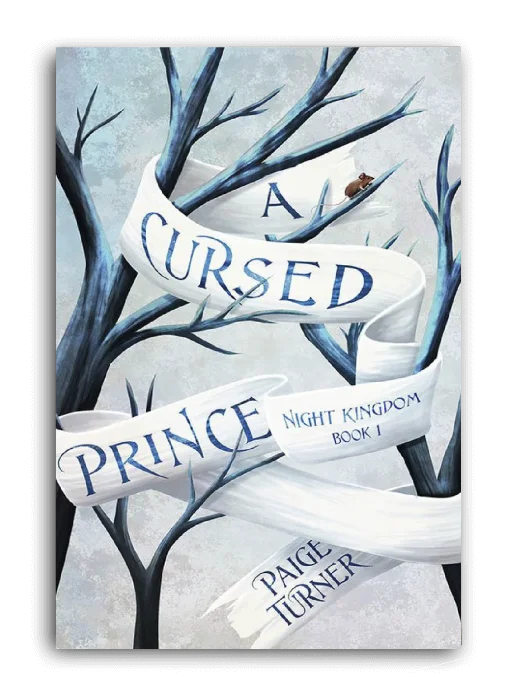
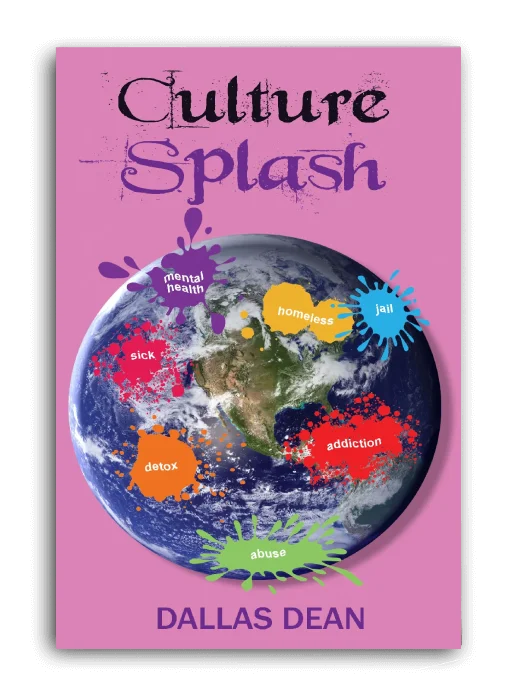
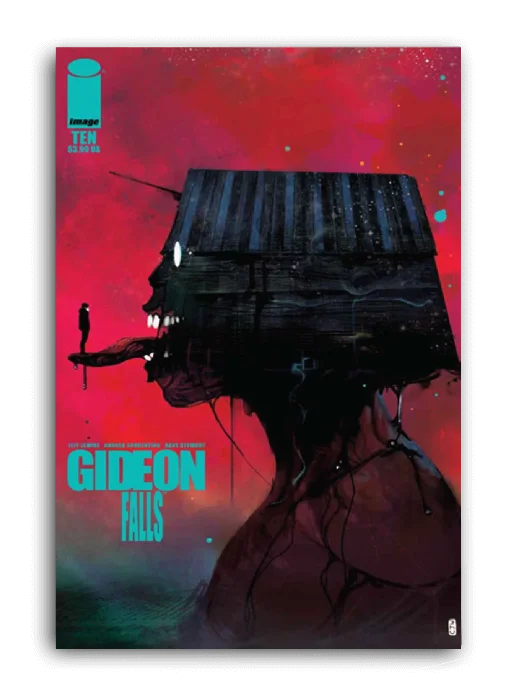
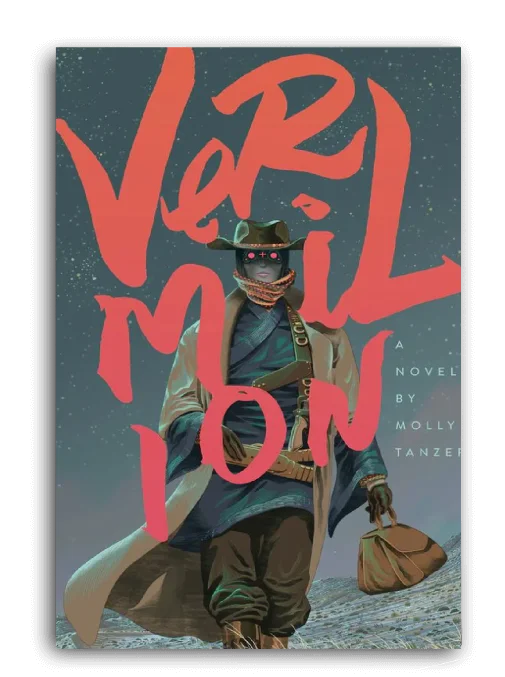
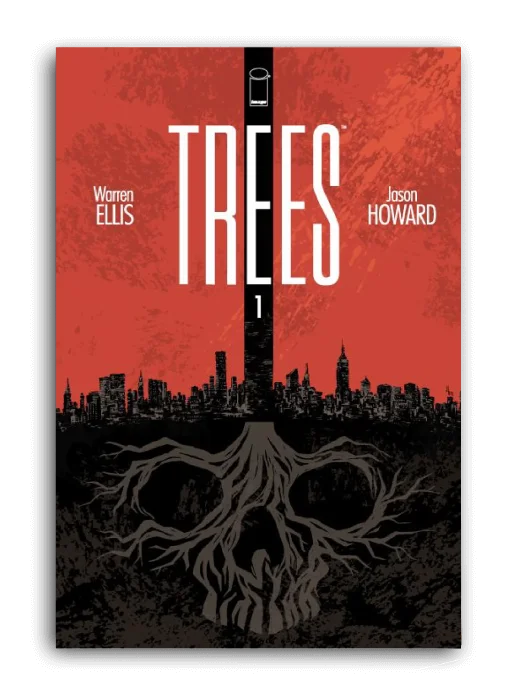
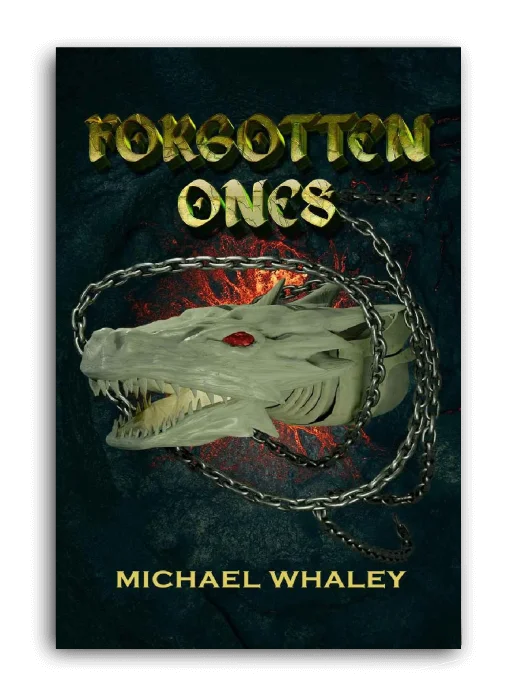
We have been able to successfully complete a number of projects of different dimensions and scopes. Business leaders, working professionals and large and small organizations are just a few of our clients. Here are some books we've written and published for our clients: