
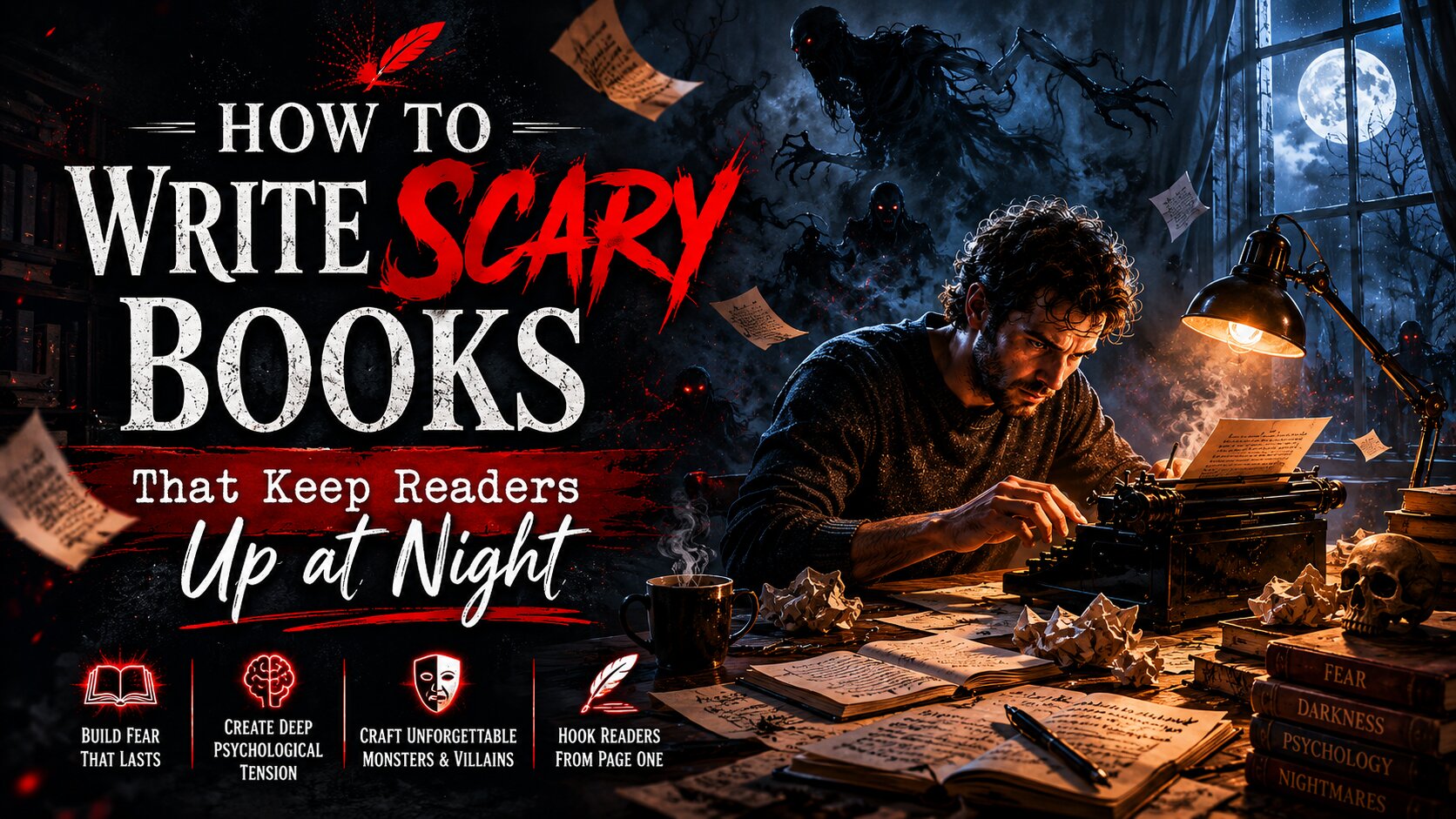
Horror is one of the most powerful and emotionally demanding genres in fiction. Writing a horror book that genuinely terrifies readers takes more than just adding monsters and jump scares. It requires a deep understanding of human psychology, careful pacing, and mastery of atmosphere.
Whether you are writing your first horror novel or refining your craft, this FAQ covers everything you need to know about building dread, creating unreliable narrators, pacing fear effectively, and understanding the difference between psychological horror and gore.
A truly scary horror book does not rely on gore or shock value alone. The most effective horror taps into universal fears: the fear of death, losing control, the unknown, or the corruption of something familiar and safe.
Key elements that make horror books scary include:
If you need expert help building a horror manuscript from the ground up, explore our dedicated horror book writing service for professional support.
Horror is a broad genre with many subgenres. Understanding which one fits your story will shape your tone, characters, and structure. Common horror subgenres include:
Explore more genre breakdowns on our genre writing pages.
Yes, reading widely in the genre is one of the best investments you can make as a horror writer. Study authors like Stephen King, Shirley Jackson, Thomas Tryon, Paul Tremblay, and Carmen Maria Machado to understand how masters of the craft control atmosphere, character, and fear.
Reading also helps you avoid clichés. Many horror tropes have been done countless times. Knowing the genre means you can subvert expectations rather than repeat them.
Fear is the immediate emotional reaction to a threat. Dread is the sustained, creeping anticipation that something terrible is coming. Dread is far more powerful in written horror because it keeps readers in a state of anxiety across entire chapters.
Fear is a moment. Dread is a season.
To build dread effectively:
Atmosphere is the emotional environment your writing creates. In horror, atmosphere should feel like a character itself. It is built through:
Low-level dread keeps readers in a constant state of low anxiety without burning them out with constant high-tension scenes. Techniques include:
An unreliable narrator is a storytelling device in which the narrator's account of events cannot be fully trusted. This may be because they are mentally unstable, deceiving themselves, deceiving the reader, or simply do not have full access to the truth.
In horror, unreliable narrators work brilliantly because:
Famous examples include the governess in Henry James's The Turn of the Screw and the narrator of Charlotte Perkins Gilman's The Yellow Wallpaper.
The key is to plant deliberate clues throughout the narrative so attentive readers can piece together the truth even as the narrator misleads them. Strategies include:
You want readers to feel clever for catching the unreliability, not frustrated by it. The confusion should feel intentional and rewarding, not like a mistake in the writing.
Yes. First person is most common because it places readers directly inside the narrator's flawed perspective. However, third person limited can also create unreliability when the narration is filtered through a character's distorted worldview.
Third person omniscient is less commonly used for this device, though some writers use selective omniscience to mislead readers about what the narrator knows versus what is actually happening.
If you want help structuring your horror narrative voice, visit our ghost writing services page to see how we can support you.
Pacing in horror is about managing tension over time. If every scene is at maximum intensity, readers become desensitised. If there is too little tension for too long, readers disengage. Effective horror pacing follows a rhythm of tightening and releasing.
A strong horror pacing structure typically includes:
There is no fixed rule, but tense horror scenes tend to benefit from shorter sentences, tighter paragraphs, and faster prose rhythm. Long, winding descriptions work well in atmospheric setup scenes, but during moments of direct threat, brevity increases urgency.
A common technique is to alternate long, descriptive lull scenes with clipped, sharp scenes of immediate danger. The contrast makes both types more effective.
Common pacing mistakes in horror writing include:
Gore is explicit physical horror: blood, viscera, bodily destruction. It creates shock and disgust. Psychological horror works on the mind: it creates paranoia, dread, self-doubt, and existential fear. The two are not mutually exclusive, but they require different skills.
Gore is effective in small doses as punctuation, but overused it loses impact and can alienate readers who are not seeking that experience. Psychological horror builds cumulatively and tends to stay with readers longer because it engages imagination rather than confronting it directly.
As Stephen King famously noted, the most frightening thing is what you do not show. The imagination, given the right prompts, will do the heavy lifting.
Absolutely. Some of the most effective horror novels contain minimal violence. What creates fear is not physical threat but existential threat: the sense that the protagonist's reality, identity, or understanding of the world is being undermined.
Examples of violence-light horror include:
In each case, the horror comes from atmosphere, character psychology, and an accumulating sense of wrongness rather than graphic violence.
Gore that serves the story has consequences. It changes characters. It raises the stakes. It reveals something about the nature of the threat. Gore that exists purely for shock value is an aesthetic choice without narrative function.
To write effective, purposeful gore:
The most common failure in horror writing is creating characters who feel like victims waiting to happen rather than real people. Readers need to invest in a character before they can fear for them.
Build horror characters by:
The most enduring horror fiction uses the supernatural or monstrous as a way to explore real human fears. Powerful themes in horror include:
Our ghost writers bring thematic depth to every horror manuscript. Learn more on our ghost writing services page.
Most horror novels fall between 70,000 and 100,000 words. Psychological horror and quiet horror often lean toward the shorter end. Epic or multi-POV horror can run longer. Short horror novels (50,000 to 70,000 words) can work well for fast-paced, contained stories.
Novellas (20,000 to 40,000 words) are also a thriving format in horror, where the compact structure suits single-location, single-threat narratives extremely well.
Both work well and each has strengths specific to horror:
Many successful horror novels use multiple close third-person POVs to build suspense through dramatic irony, showing readers information that specific characters do not yet have.
Horror endings are notoriously difficult. Readers want resolution but also want to remain unsettled. The most satisfying horror endings tend to:
A horror ending should feel inevitable in hindsight. When readers reach the final page and think of course it ended this way, you have succeeded.
Writing horror that genuinely frightens readers is one of the most technically demanding challenges in fiction. If you want professional help developing your horror manuscript, whether from a blank page or from an existing draft that needs shaping, our team at Shadow Ghost Writer is ready to help.
Explore our horror book writing service for dedicated horror ghostwriting support, or browse our full range of ghost writing services to find the right package for your project.
We work with authors at every stage, from concept development and outlining to full manuscript ghostwriting and editing. Every project is confidential, professionally handled, and tailored to your vision.
Related Reading on Shadow Ghost Writer
What Is Ghost Writing and How Does It Work? - A complete guide to working with a professional ghostwriter.
Horror Book Writing: Genre Guide and Services - How our horror specialists approach your manuscript.
Browse All Genre Writing Services - From thriller to romance, explore our full genre roster.
Shadow Ghost Writer Blog - More writing guides, tips, and craft resources for authors.
Absolutely. Ghostwriting has been a standard publishing practice for centuries. Countless bestsellers across memoir, business, and fiction have been written with ghostwriting support. What matters is that the ideas, story, and vision are yours — which is always true when you work with a professional.
Yes — many professional agencies offer flexible payment plans. Shadow Ghostwriter currently offers up to 50% off on consultation. Starting with a free consultation is the best way to understand your options without any commitment.
A standard 200-page book typically takes 2–3 months with a professional service. Larger or more complex projects with research and marketing components run 3–5 months. Rush timelines are often available at an additional cost.
With any reputable ghostwriting agency, yes — you retain 100% ownership and copyright. Shadow Ghostwriter explicitly guarantees complete content ownership in all their packages. Always confirm this in writing before signing any contract.
The most cost-effective route is a bundled agency package that includes writing, editing, and publishing. This avoids the "hidden cost trap" of hiring separately for each service — and typically delivers a higher-quality result with less friction.
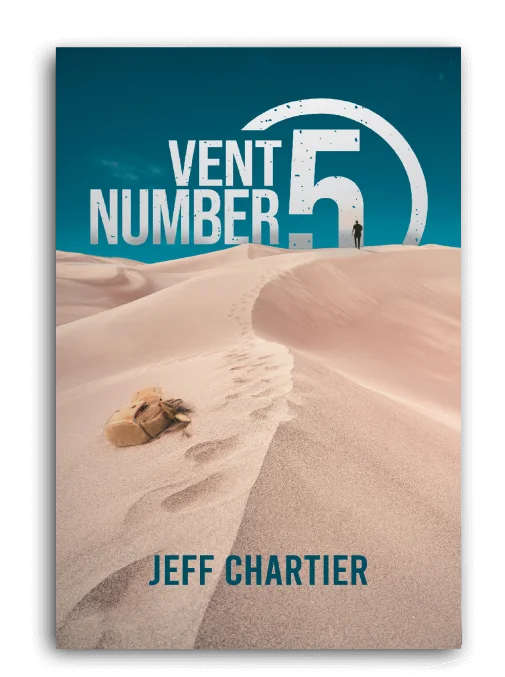
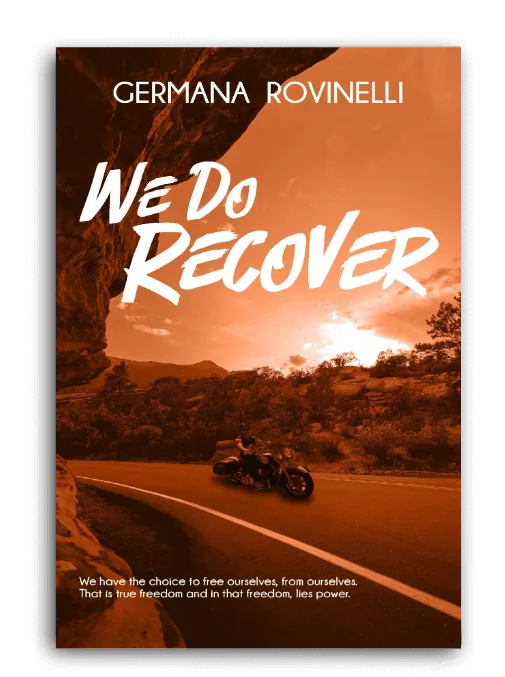
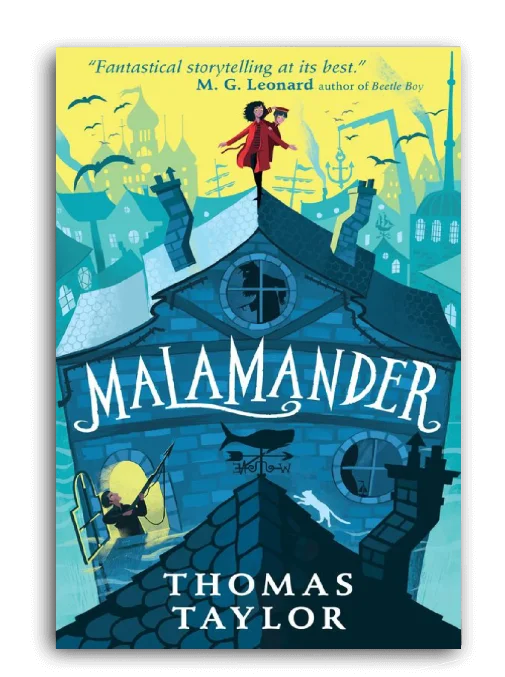
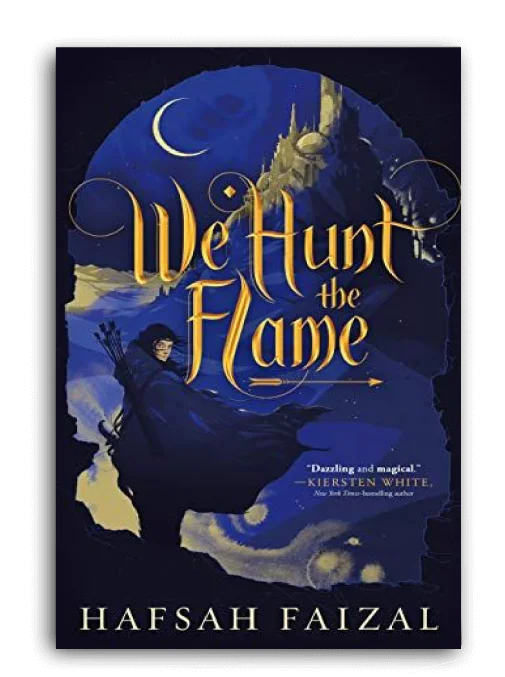
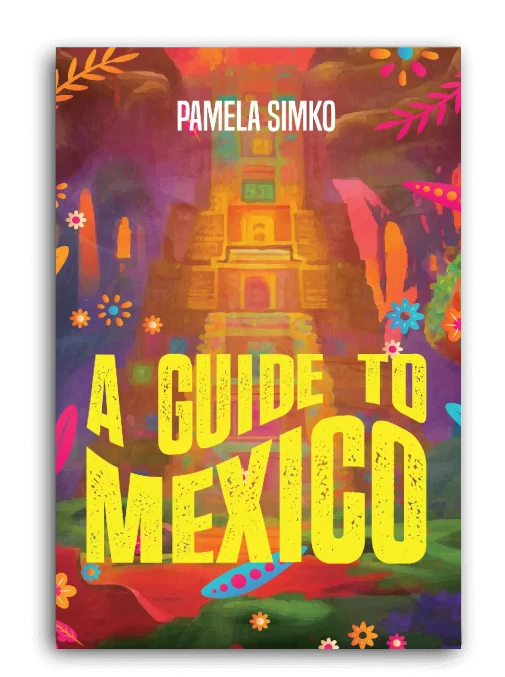
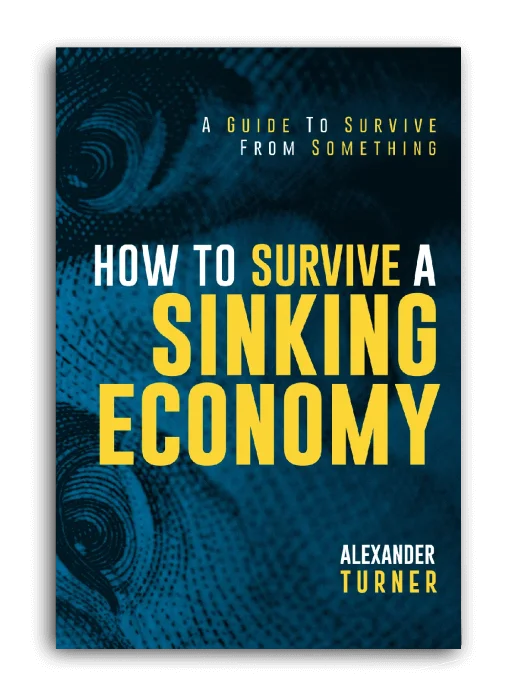
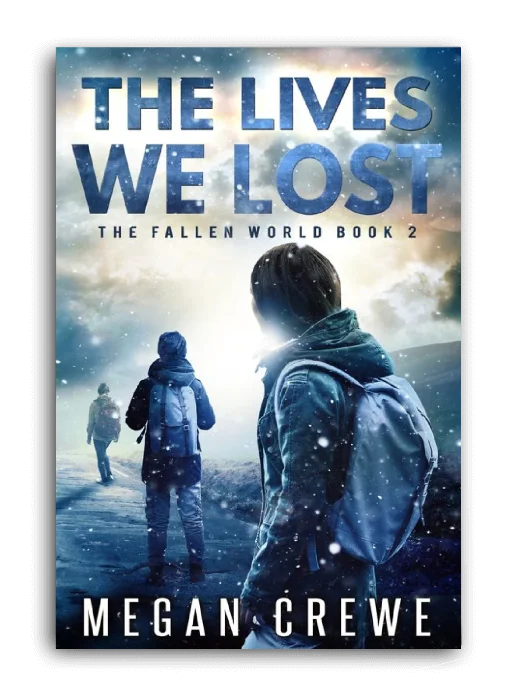
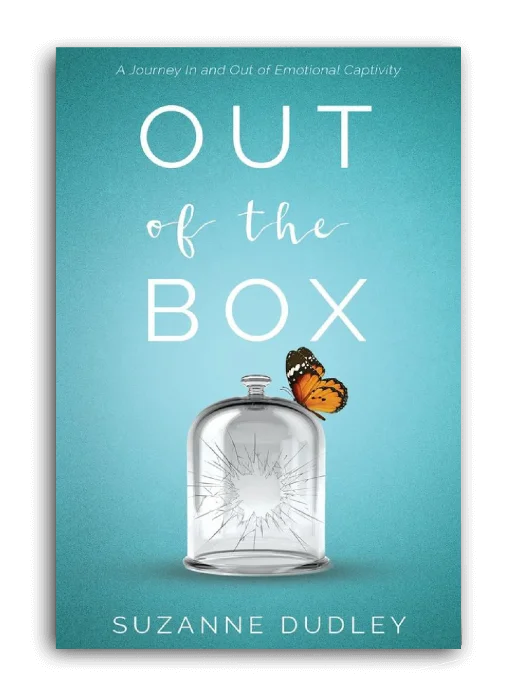
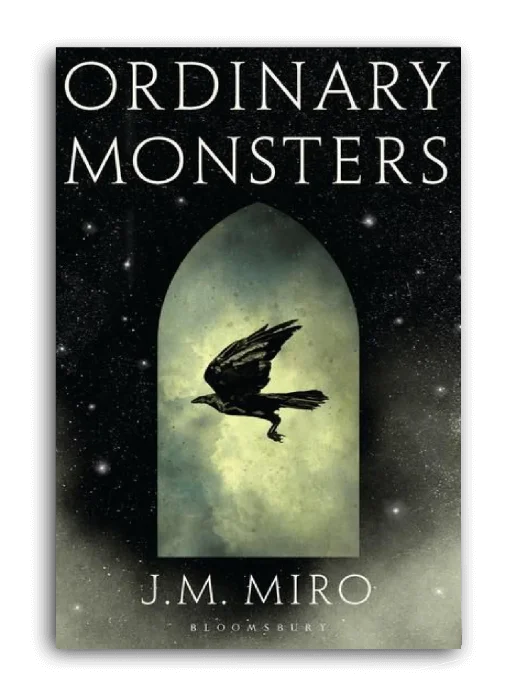
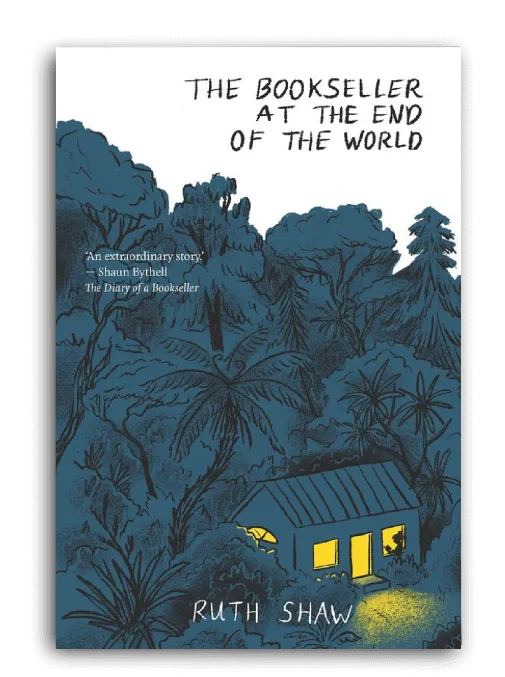
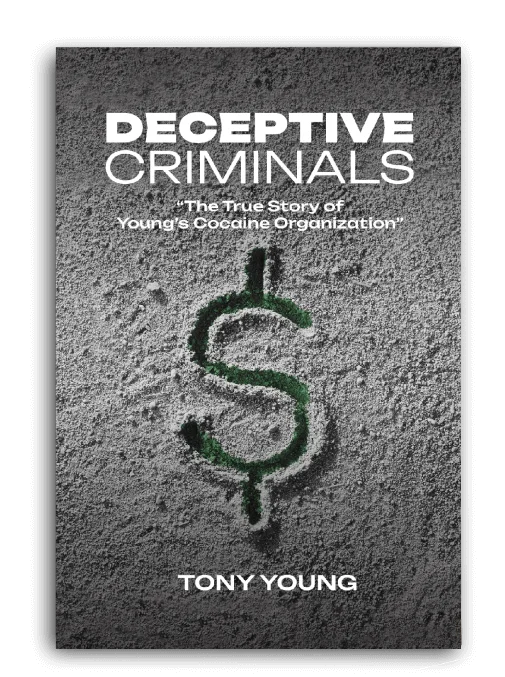
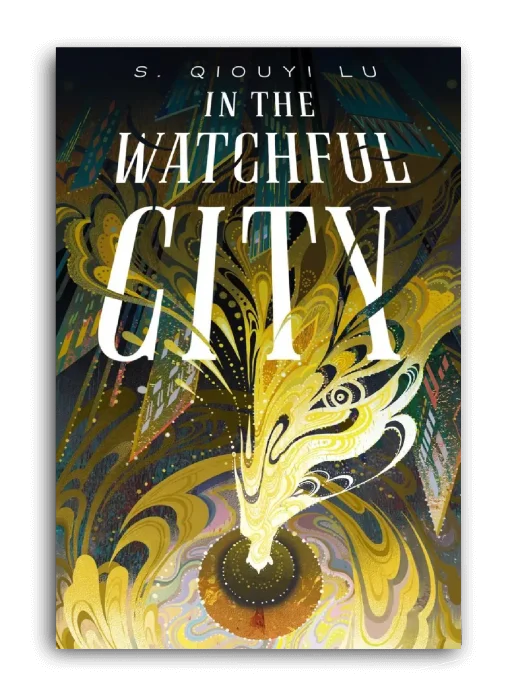
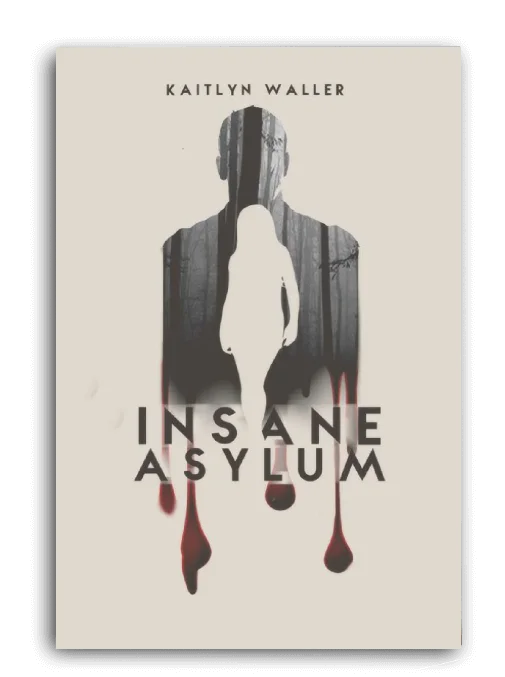
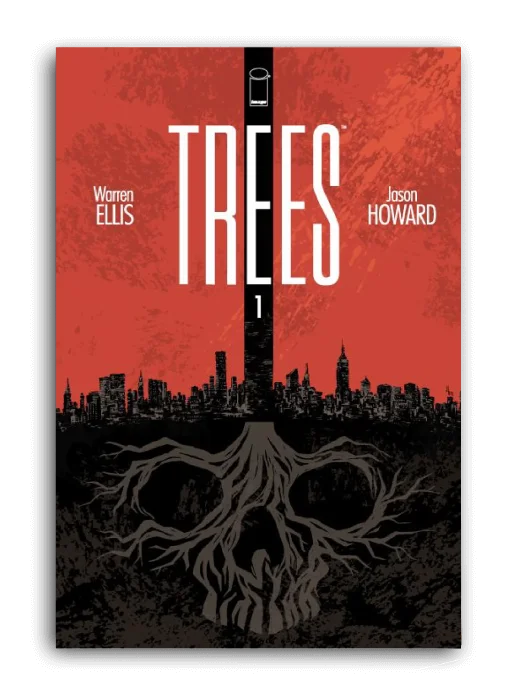
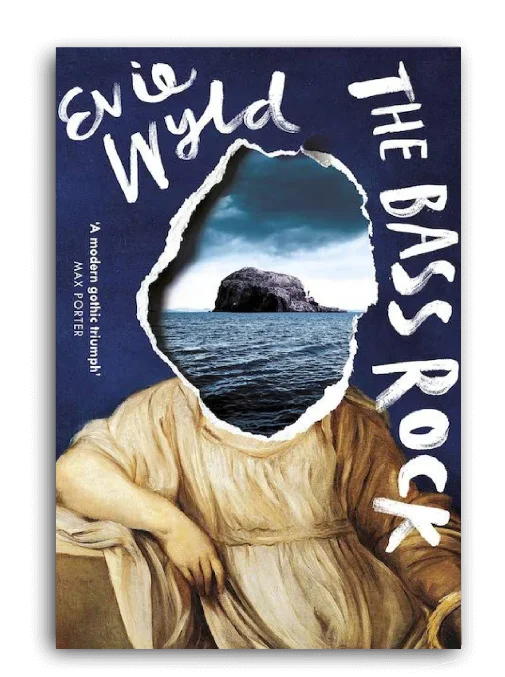
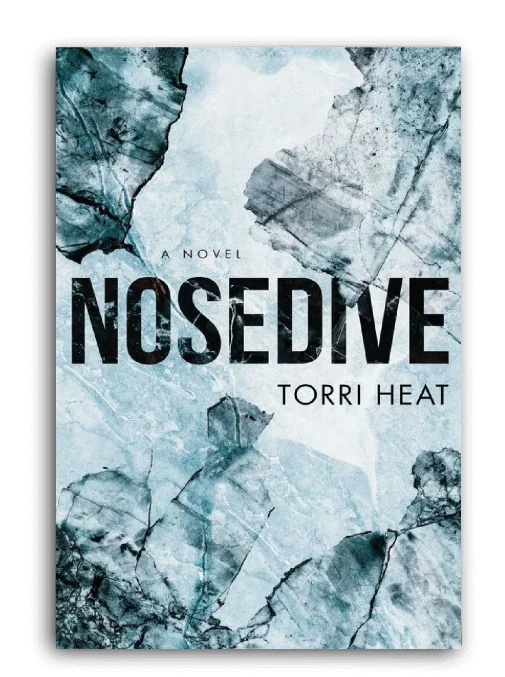
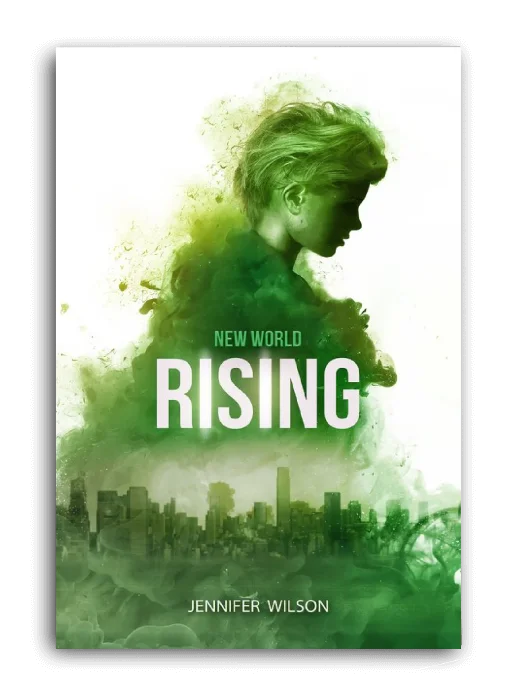
We have been able to successfully complete a number of projects of different dimensions and scopes. Business leaders, working professionals and large and small organizations are just a few of our clients. Here are some books we've written and published for our clients: