
Anyone can write something gross. Anyone can describe a monster, a pool of blood, or a creature lurking in the dark. But very few writers can craft a horror book that genuinely unsettles readers for days the kind of story that makes them check the lock twice before bed, or replay a single sentence in their mind at 3 a.m.
So what separates a forgettable scare from a book that truly terrorizes? The answer lies not in gore or shock value, but in mastering a set of specific, learnable craft techniques that the genre's best authors use often without readers even realizing it.
Whether you are writing your first horror novel or looking to sharpen a manuscript that is not quite landing, this deep dive into the secrets of horror writing will give you the tools to create fiction that genuinely frightens. And if you would rather hand those tools to a professional, our horror book writing service exists precisely for that.
The single most important horror writing secret is one that contradicts every instinct beginners have: the scariest thing is what you don't show.
Stephen King once noted that the horror of a closed door is almost always greater than what is revealed behind it. Once the monster is visible, the reader's imagination which has been generating something perfectly tailored to their own fears is replaced by the author's version, which may be far less frightening.
The Rule of Suggestion: Imply, hint, and withhold. Let the reader's mind complete the picture. The scratch behind the wall. The shape at the end of the hallway. The smile that doesn't reach the eyes. These fragments are more terrifying than any explicit reveal.
This is why great horror writers are meticulous about what they leave out. Craft your scenes so that the negative space what is missing, unspoken, or half-glimpsed does as much work as the prose itself.
In weak horror, the setting is scenery. In great horror, the setting is alive, oppressive, and actively working against the characters. Think of the Overlook Hotel in The Shining, or the decaying mansion in The Fall of the House of Usher. These settings do not merely house the horror they are the horror.
Building this kind of atmosphere requires deliberate attention to sensory detail that goes beyond the visual. What does the fear smell like? What does it sound like at its edges before it arrives? What does it feel like against skin?
Pathetic fallacy: Align weather, light, and landscape with your character's emotional state and the threat level of a scene. Sensory decay: Introduce subtle wrongness early smells that don't belong, sounds that stop too abruptly, light that behaves slightly incorrectly. Isolation as pressure: Physical, social, or psychological isolation amplifies every threat. A character cut off from help is profoundly more vulnerable. The familiar made strange: The most effective atmospheric horror takes ordinary, safe environments a family home, a hospital, a small town and corrupts them incrementally.
Our fiction writing service specializes in building these immersive, atmosphere-first narratives that make readers feel physically present inside the story which is exactly where you want them when the dread begins to build.
The most technically proficient horror writing will still fail if it targets fears that don't run deep. The secret weapon of every great horror author is a thorough understanding of primal human fear psychology.
Genre researchers and psychologists consistently identify the following as the deepest sources of horror resonance:
Loss of control — over one's body, mind, environment, or loved ones. The uncanny — something that appears human but is subtly, wrongly not. Death and annihilation — not just dying, but ceasing to exist entirely. Violation of the body — transformation, corruption, invasion from within. Abandonment and isolation — being alone, unseen, and unreachable when danger arrives. The corruption of the safe — when home, family, or identity becomes the source of threat.
When your horror targets one or more of these deep wells, readers respond viscerally even if they cannot articulate why. Map your story's central threat onto at least one of these primal fears and your narrative will resonate far beyond the surface level.
Here is a horror writing truth that many beginners resist: readers are not afraid of monsters. They are afraid for characters they care about.
Before you can frighten your audience, you must make them love or at minimum deeply invest in your protagonist. The more specific, authentic, and human your character feels, the higher the emotional stakes when the threat arrives.
This means doing the unglamorous work of character building before the horror begins. Show us their vulnerability. Their attachment to someone or something. Their specific, personal fear that the story will then systematically exploit. Their ordinary life, so we understand exactly what they stand to lose.
Give them a concrete, ordinary life: Domestic detail makes characters real. The reader should be able to picture exactly what your protagonist is risking. Establish their coping mechanism: Horror is most effective when it dismantles how a character normally handles stress, forcing them to operate without their defenses. Use point of view as a weapon: First person and tight third person create claustrophobic proximity to terror. Close POV means the reader has no information the character doesn't have which is profoundly disorienting. Avoid the competence trap: Characters who are too capable too early reduce tension. Competence should be earned at cost in horror fiction.
This is one of the most technically demanding aspects of horror craft. Our novel writing service specifically focuses on this kind of deep character architecture building protagonists whose fate readers are genuinely invested in long before the horror arrives.
Amateur horror writing tends toward one of two failure modes: too fast (jumping straight to the threat, giving the reader no time to care or dread) or too slow (building atmosphere indefinitely without delivering on tension).
Expert horror pacing is a precise, rhythmic craft. It works by alternating between compression (slow, atmospheric building that creates dread) and release (confrontation, revelation, violence) but crucially, the release never fully resolves the fear. Each confrontation should deepen the dread rather than dispel it.
Establish normal world (reader orientation + character investment) Introduce wrongness (subtle, deniable, easily rationalized) First confrontation (something is undeniably wrong — but contained) Escalation (each incident confirms and amplifies the threat) False resolution (a moment of apparent safety — immediately undercut) Climax (maximum vulnerability + maximum threat) Resolution or devastation (genre-appropriate — but never entirely comfortable)
The False Resolution is crucial: Horror that goes straight to the climax without a false resolution loses one of its most effective tools. The moment a reader exhales thinking it is over is the perfect moment to strike again. It is one of the craft signatures that separates competent horror from genuinely terrifying horror.
Horror is a genre in which prose style is not decorative it is functional. The rhythm, length, and register of your sentences directly controls the reader's physiological response. This is one of the most underused secrets in horror writing.
Short sentences accelerate: They create a staccato urgency. They mirror a racing pulse. They compress time. They force the reader forward. Long, winding sentences slow and disorient: Extended syntax with multiple subordinate clauses and layered descriptions creates a dissociative, dreamlike quality that is ideal for building dread and a sense of reality dissolving at the edges. Sentence fragments for impact: Used sparingly. They land hard. Cold, clinical language for the grotesque: Describing horrific events in flat, procedural language is often more disturbing than heightened, dramatic prose. The detachment creates cognitive dissonance. Sensory displacement: Describing one sense through the lens of another a sound that tastes like copper, a silence that presses creates the mild perceptual wrongness that primes readers for dread.
Whether you work with a ghostwriter or refine your own manuscript through professional book editing and proofreading, prose-level craft is always where horror is won or lost.
Horror is not a monolithic genre it is a family of related sub-genres, each with its own conventions, reader expectations, and craft requirements. Writing effectively in horror means knowing which specific type of fear you are delivering.
Psychological Horror: The threat comes from within an unreliable mind, a fracturing identity, a reality that cannot be trusted. Think Gone Girl, The Yellow Wallpaper, Shutter Island. Supernatural & Paranormal: Ghosts, demons, entities, and forces that violate the natural order. The fear comes from the collision between the rational world and something beyond it. Gothic Horror: Atmosphere-forward, often historical, focusing on decay, repression, and the sins of the past manifesting in the present. Rebecca, Wuthering Heights, Mexican Gothic. Cosmic / Lovecraftian Horror: Humanity is small, insignificant, and utterly powerless in the face of vast, indifferent forces beyond comprehension. Body Horror: The violation, transformation, or dissolution of the physical self. Targets the deepest instinct of bodily integrity. Slasher & Survival Horror: Physical, immediate threat a killer, a creature, a catastrophic scenario. Tension comes from evasion, survival, and sacrifice.
Each sub-genre demands different craft approaches. If you are exploring any of these, the genre page at Shadow Ghostwriter provides an overview of how we approach different types of fiction from horror to sci-fi, action writing, and beyond.
More horror novels fail at the ending than at any other point. The accumulation of dread, character investment, and atmospheric pressure creates an almost impossibly high bar and most writers discharge it too quickly, too cleanly, or too neatly.
It is earned, not manufactured: Every element of the climax must be seeded earlier. Deus ex machina endings destroy the internal logic of the world you have built. It costs something real: The best horror endings involve genuine, irreversible loss. Safety, innocence, a relationship, a character something must be permanently sacrificed. It leaves a residue: The truly great horror ending does not close the fear it relocates it. The threat is resolved on the surface level but the reader is left with a lingering wrongness, an unanswered question, or a new understanding that is itself disturbing. Ambiguity is often the most powerful tool: Was it real? Did the character survive unchanged? Is it truly over? An ending that resists full resolution continues to live in the reader's mind.
Consider this: The ending of The Haunting of Hill House by Shirley Jackson is one sentence long. It resolves the plot completely. And it is one of the most disturbing final lines in horror literature because of what it implies about everything that came before it. Great horror endings reframe the entire story.
One of the most overlooked horror writing secrets is the power of authentic, specific detail and the research required to deliver it.
Generic horror the abandoned house, the howling wind, the monster in the shadows is inert because it lacks specificity. The detail that makes a horror book feel real is always the one that is too precise to be invented, too specific to be accidental, too textured to be anything other than observed truth.
Whether your horror is set in a 19th century psychiatric institution, a contemporary suburban family home, or an Arctic research station, your reader needs to feel the specific material reality of that world. Research creates the texture of authenticity that makes even supernatural events feel plausible.
This research principle extends to the psychology of fear itself. Understanding how real trauma, grief, psychosis, and phobia present drawing from psychological literature, case studies, and lived accounts gives your horror an emotional accuracy that elevates it far above the genre average.
Even the most talented horror writer rarely produces a publishable manuscript on the first draft. The craft of horror pacing, atmosphere, prose rhythm, character depth takes multiple passes to get right. The journey from concept to a book readers can buy involves:
Professional ghostwriting — if you have the concept but not the time or craft experience to execute it alone. Book editing — structural and line editing to ensure your horror novel lands with maximum impact at every level. Book proofreading — the final polish that eliminates every error before publication. Book formatting — professional interior layout for both print and digital editions. Book cover design — a cover that signals the genre correctly and compels the right readers to pick up your book. Book publishing — distribution across Amazon KDP, Barnes & Noble, and all major platforms. Book marketing — targeted campaigns that connect your horror book with the readers who are actively looking for exactly what you have written.
Explore all of our services or check our pricing page to understand what a full horror book project looks like from first concept to Amazon listing.
After all the craft techniques, the psychology of fear, the atmospheric construction, and the prose-level tools the deepest secret of horror writing is this: the best horror is always honest.
The fears that resonate most are not invented they are recognized. They are drawn from the writer's own anxieties, losses, and darkness, and shaped through craft into something that readers feel in their chest as true, even when it is impossible.
The horror novel that will haunt your readers is not the one with the most elaborate monster or the most shocking set piece. It is the one where, somewhere in the dark heart of the story, they recognize themselves.
If you are ready to write that book or ready to let someone help you write it — Shadow Ghostwriter is here. Our horror book writing specialists understand that true terror is a craft, not an accident. Contact us today to start building something genuinely frightening.
Shadow Ghostwriter's team of professional writers has helped 400+ authors publish on Amazon, Barnes & Noble, and beyond. Get a free consultation today — no obligation, no pressure.
Tags: ghostwriting cost 2025 • how much does a ghostwriter cost • ghostwriting pricing • professional ghostwriting services • shadow ghostwriter
Absolutely. Ghostwriting has been a standard publishing practice for centuries. Countless bestsellers across memoir, business, and fiction have been written with ghostwriting support. What matters is that the ideas, story, and vision are yours — which is always true when you work with a professional.
Yes — many professional agencies offer flexible payment plans. Shadow Ghostwriter currently offers up to 50% off on consultation. Starting with a free consultation is the best way to understand your options without any commitment.
A standard 200-page book typically takes 2–3 months with a professional service. Larger or more complex projects with research and marketing components run 3–5 months. Rush timelines are often available at an additional cost.
With any reputable ghostwriting agency, yes — you retain 100% ownership and copyright. Shadow Ghostwriter explicitly guarantees complete content ownership in all their packages. Always confirm this in writing before signing any contract.
The most cost-effective route is a bundled agency package that includes writing, editing, and publishing. This avoids the "hidden cost trap" of hiring separately for each service — and typically delivers a higher-quality result with less friction.
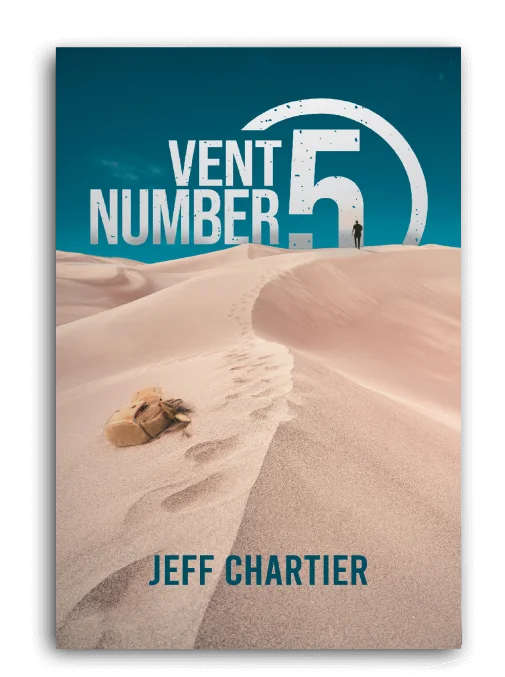
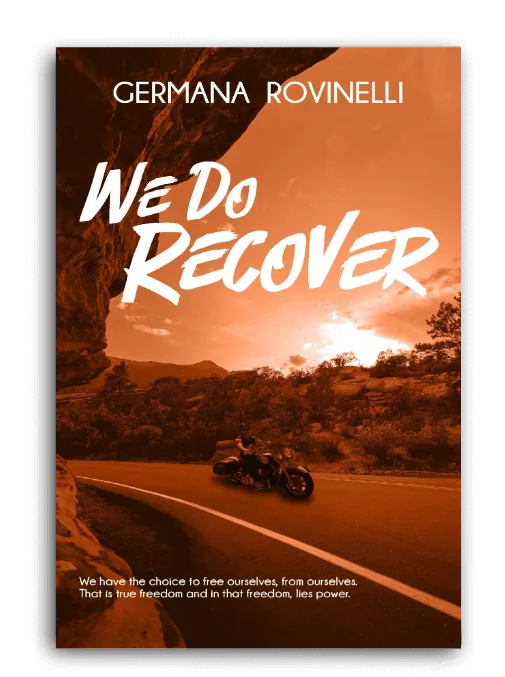
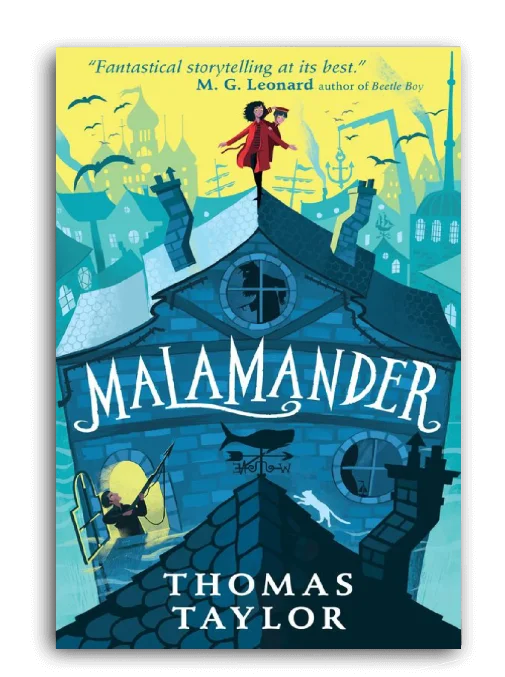
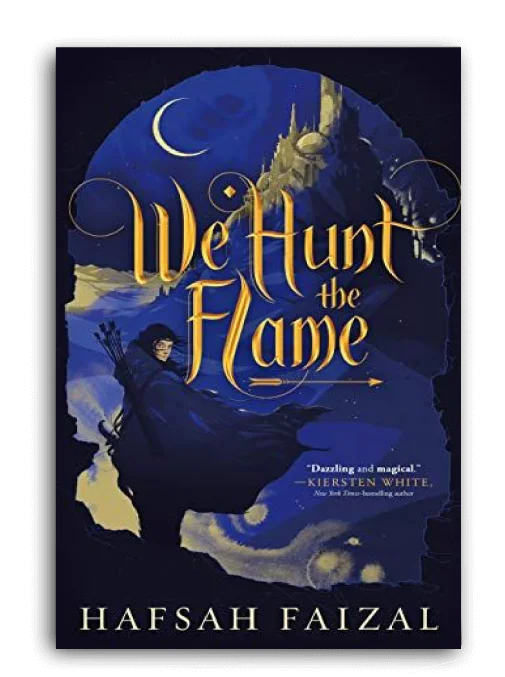
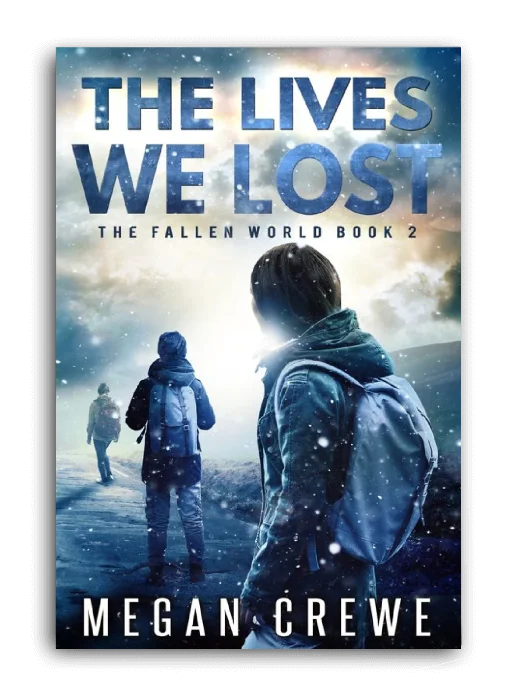
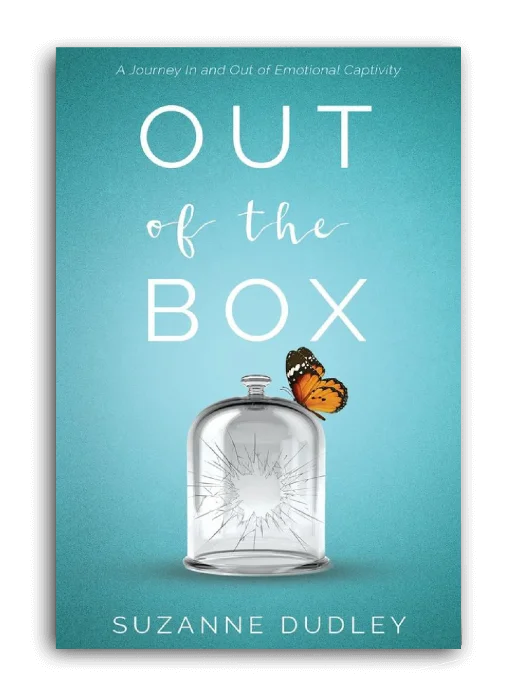
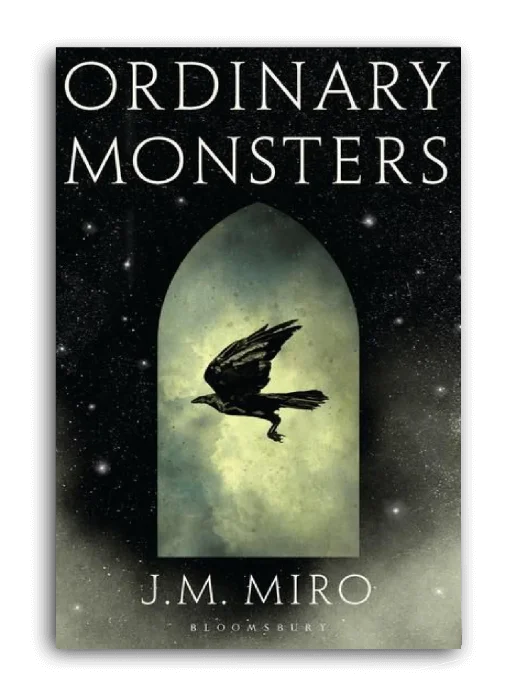
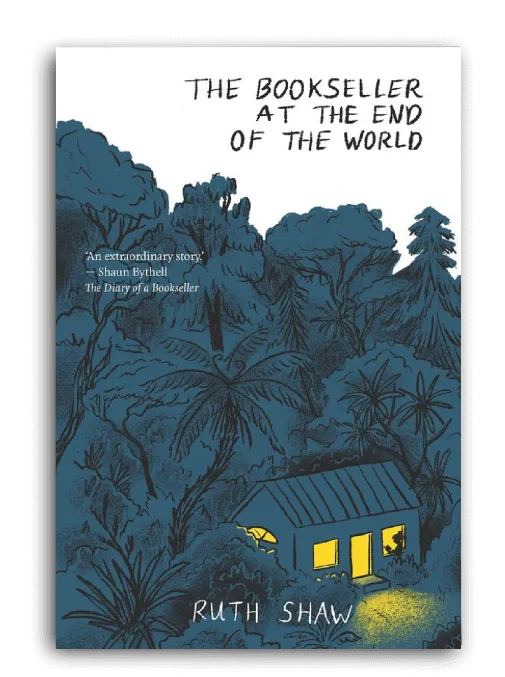
We have been able to successfully complete a number of projects of different dimensions and scopes. Business leaders, working professionals and large and small organizations are just a few of our clients. Here are some books we've written and published for our clients: