
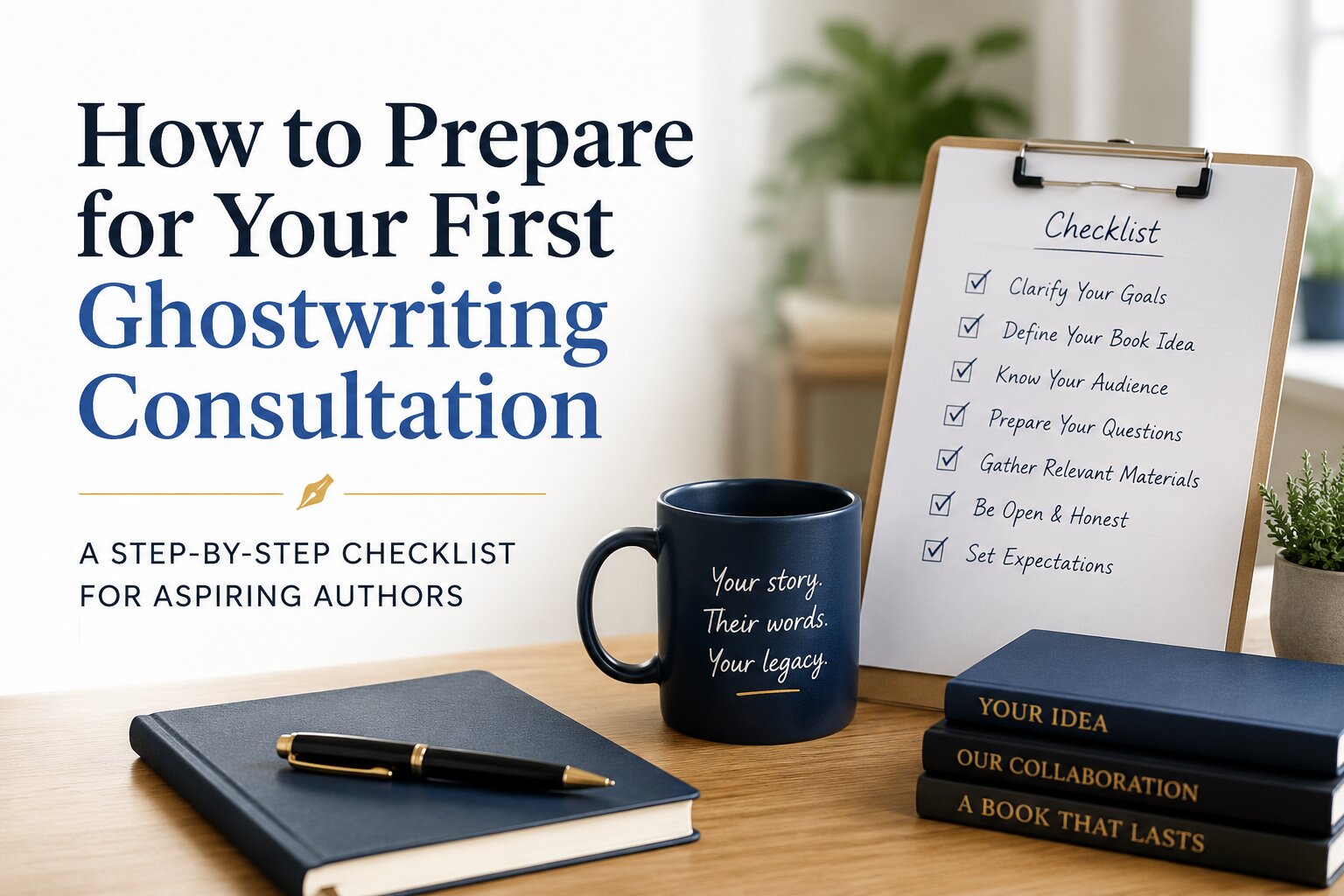
A Step-by-Step Checklist for Aspiring Authors
You have a story. A business idea that deserves a book. A life’s worth of experience that others need to hear. And you’ve done the research; you know that working with a professional ghostwriter is the way to get it written.
Now you’ve booked your first consultation. And now you’re wondering: what exactly am I supposed to say? What do I bring? How do I make sure this meeting actually leads somewhere?
The truth is, the clients who get the most from a ghostwriting consultation are the ones who leave with a clear roadmap and real momentum and are the ones who show up prepared. Not perfectly prepared. Not with a finished manuscript. Just prepared enough to have a focused, productive conversation.
This post gives you exactly that. A step-by-step checklist covering your ideas, your goals, your audience, your outline, and your budget, everything you need to walk into your first ghostwriting consultation with confidence.
This post is part of our complete guide: The Complete Guide to Hiring a Professional Ghostwriter in 2026. If you want the full picture costs, confidentiality, rights, and the full ghostwriting process, start there.
A ghostwriting consultation is not an exam. Your ghostwriter is not there to judge whether your idea is good enough. They’re there to understand your vision and assess whether they’re the right person to bring it to life.
But consultations are time-limited. And the more clearly you can articulate your project, the faster you move past the basics and into the conversations that actually matter: storytelling approach, timeline, voice, and fit.
Preparation also builds confidence. Walking in knowing what you want and what questions to ask puts you in control of the conversation. You become a client who knows what they’re looking for, which signals to a ghostwriter that this project is worth their best effort.
Before anything else, you need to be able to answer one question in a single clear sentence: What is this book about?
Not a paragraph. Not a five-minute explanation. One sentence that captures the essence of your project. This is harder than it sounds, and that difficulty is actually useful information. If you struggle to summarize your book in one sentence, it often means the idea still needs some clarification, and that’s exactly what a good ghostwriter will help you work through.
But coming in with your best attempt at that sentence is the right starting point.
Pro Tip: Write your one-sentence book summary before the consultation and bring it. Even if it’s rough, having it written forces clarity and gives the ghostwriter something concrete to react to.
Ghostwriters are not just writing technicians. The best ones are strategic partners who help you achieve something specific through your book. To do that, they need to understand why you’re writing it.
The motivation behind a book shapes everything: tone, length, structure, distribution strategy, and even which ghostwriter is the best fit. A memoir written to preserve family history has a completely different shape than a business book written to generate consulting leads.
There are no wrong answers here. A book written to leave something behind for your grandchildren is just as valid as a book designed to become a bestseller. What matters is that you’re honest about your goals so the ghostwriter can serve them.
Every great book is written for someone. Understanding who that someone is before you sit down with your ghostwriter dramatically sharpens the quality of the conversation and the quality of the eventual book.
You don’t need a detailed marketing persona. You just need a clear mental picture of the reader you’re writing for: their age range, what they care about, what challenges they face, and why your book is exactly what they need.
Quick Exercise: Name three books your ideal reader has already enjoyed. Bring those titles to your consultation. They tell the ghostwriter more about your vision than almost anything else you could say.
You are the only source for your story, your expertise, or your vision. A ghostwriter’s job is to draw that out and shape it into a compelling manuscript, but they need raw material to work with. Coming to your consultation with some of that material already gathered makes the conversation richer and more productive.
You do not need a finished draft or a polished outline. Just collect whatever exists right now.
Even a disorganized folder of notes communicates something important to a ghostwriter: it shows that you’ve been thinking about this, and it gives them real content to assess your voice and your material.
One of the most common concerns clients bring to a first ghostwriting consultation is "Will the book sound like me?” The answer from any skilled ghostwriter will always be "yes," while you can help make that process easier by arriving with some thoughts about your own voice.
Voice is not just vocabulary. It’s pace, tone, sentence length, the kinds of analogies you reach for, the things you find funny, and the things you find important. It’s the texture of how you communicate.
Ghostwriting is a collaborative process. Even if you’re handing off most of the writing work, you will be involved in interviews, in reviewing drafts, and in providing feedback. The process works best when both sides have clear expectations about pace and availability.
Come to your consultation knowing your timeline constraints and your realistic availability.
Being honest about a tight timeline is always better than discovering halfway through a project that the deadline is impossible. A good ghostwriter will give you a realistic assessment and often suggest ways to work within your constraints.
Budget is one of the most important topics in a ghostwriting consultation and one that clients most often try to avoid. Resist that instinct. Coming in with a clear sense of your budget range allows the ghostwriter to recommend the right scope, the right service level, and the right timeline for what you’re trying to achieve.
You don’t need an exact number. A range is enough. And knowing that range before the consultation prevents you from falling in love with a scope that’s out of reach or undershooting when a more comprehensive package would actually serve your goals better.
Budget Reality Check: Quality ghostwriting for a full-length book starts at several thousand dollars and scales with length, complexity, and service scope. If you’ve seen offers for a “complete book” for a few hundred dollars, that’s almost certainly AI-generated content with minimal human involvement. Your name goes on this book. Invest accordingly.
Use this as your preparation guide before your ghostwriting consultation. You don’t need to have answers to every single item, but the more you do, the more productive your conversation will be.
A consultation is a two-way conversation. You’re not just being evaluated; you’re evaluating them. Here are the questions every prospective ghostwriting client should ask:
If the consultation goes well, the next step is typically a formal proposal: a document outlining the scope of work, timeline, pricing, revision terms, and deliverables. Review this carefully before signing anything.
At Shadow Ghostwriter, every engagement begins with a clear, written agreement that covers copyright assignment, confidentiality, revision rounds, payment schedule, and timeline. You should never feel pressured to sign on the spot. Take the time you need to review the proposal and ask any remaining questions.
If the fit doesn’t feel right even after a good conversation, trust that instinct. Ghostwriting is a close, sustained collaboration. The professional relationship matters as much as the technical skills.
The right ghostwriter doesn’t just write well. They make you feel heard, ask the questions you didn’t know to ask yourself, and leave you more excited about your book at the end of the conversation than you were at the start.
Shadow Ghostwriter offers a free, no-obligation consultation for every new project inquiry. Whether your idea is fully formed or still a spark, our team will help you think it through, map out a realistic path, and give you an honest assessment of what it takes to bring your book to life.
There’s no pressure, no pitch, and no commitment required. Just a conversation about your story and what’s possible
Further Reading
Want to understand the full ghostwriting process before you consult? Read our complete pillar guide:
→ The Complete Guide to Hiring a Professional Ghostwriter in 2026
Absolutely. Ghostwriting has been a standard publishing practice for centuries. Countless bestsellers across memoir, business, and fiction have been written with ghostwriting support. What matters is that the ideas, story, and vision are yours — which is always true when you work with a professional.
Yes — many professional agencies offer flexible payment plans. Shadow Ghostwriter currently offers up to 50% off on consultation. Starting with a free consultation is the best way to understand your options without any commitment.
A standard 200-page book typically takes 2–3 months with a professional service. Larger or more complex projects with research and marketing components run 3–5 months. Rush timelines are often available at an additional cost.
With any reputable ghostwriting agency, yes — you retain 100% ownership and copyright. Shadow Ghostwriter explicitly guarantees complete content ownership in all their packages. Always confirm this in writing before signing any contract.
The most cost-effective route is a bundled agency package that includes writing, editing, and publishing. This avoids the "hidden cost trap" of hiring separately for each service — and typically delivers a higher-quality result with less friction.
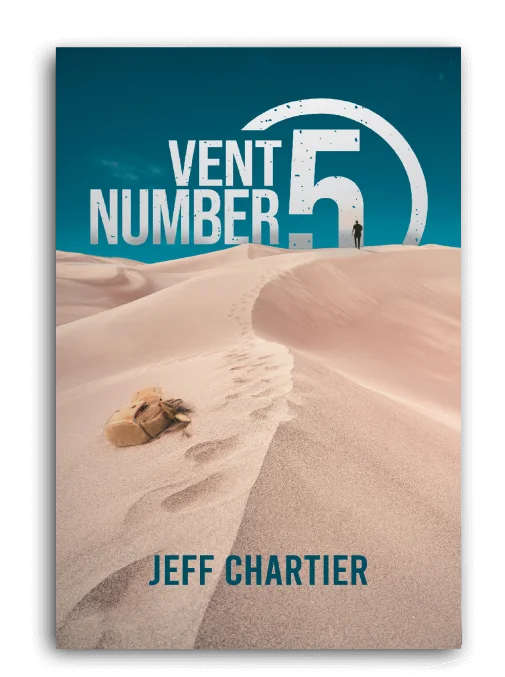
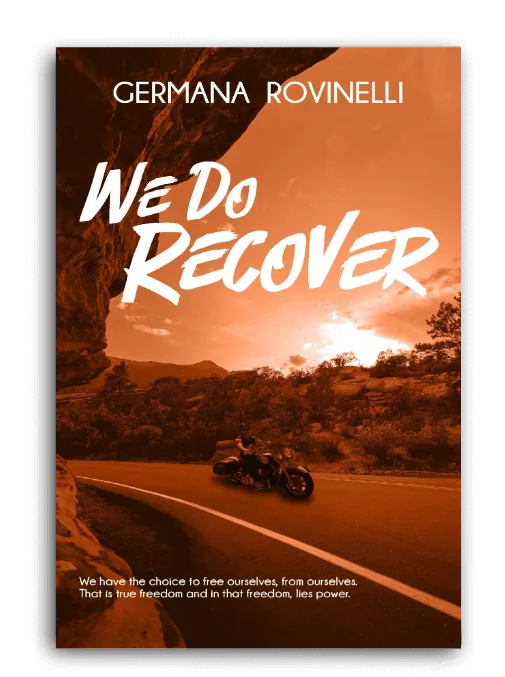
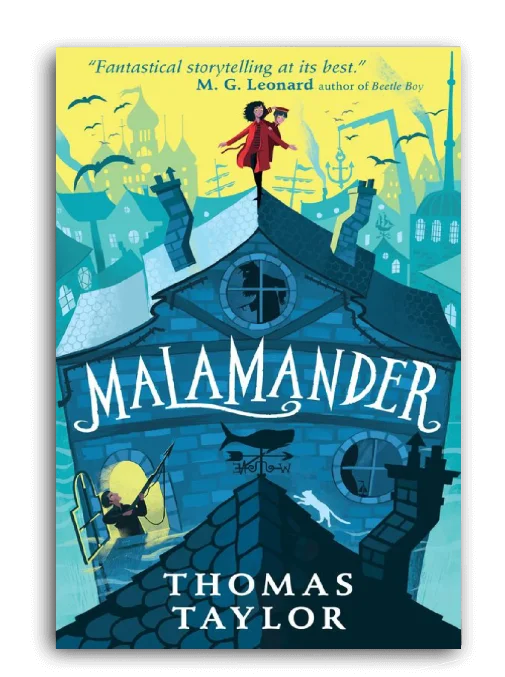
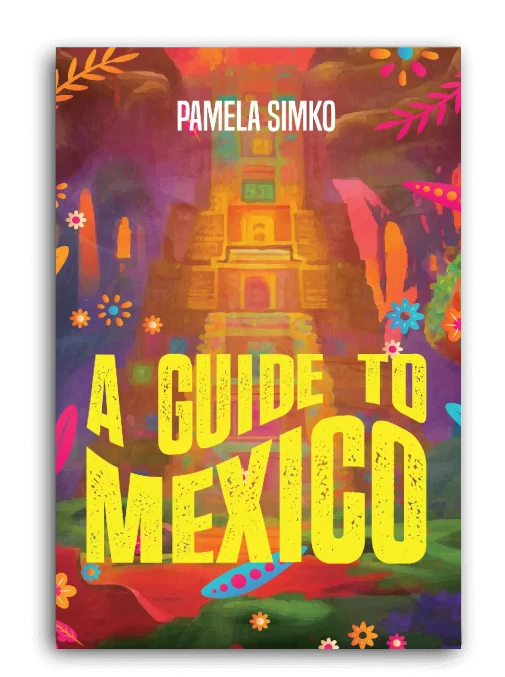
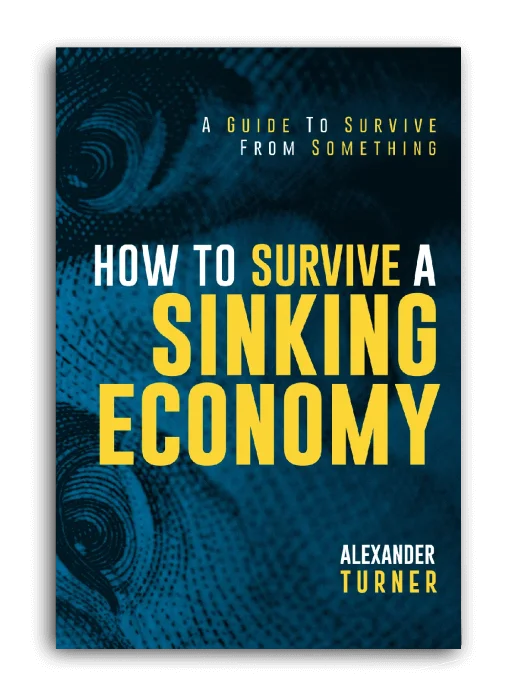
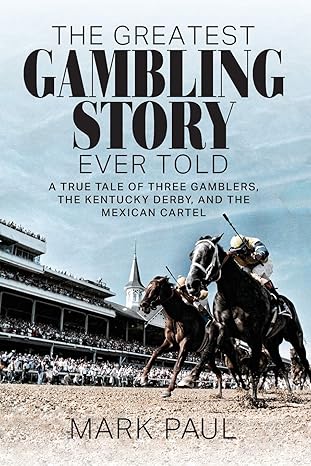
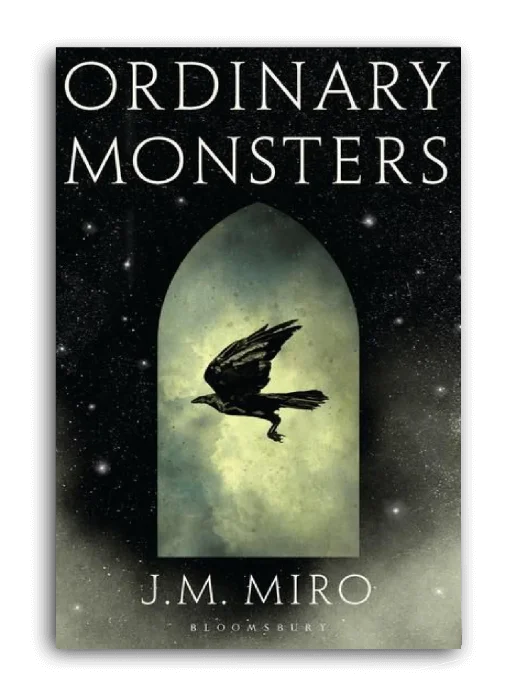
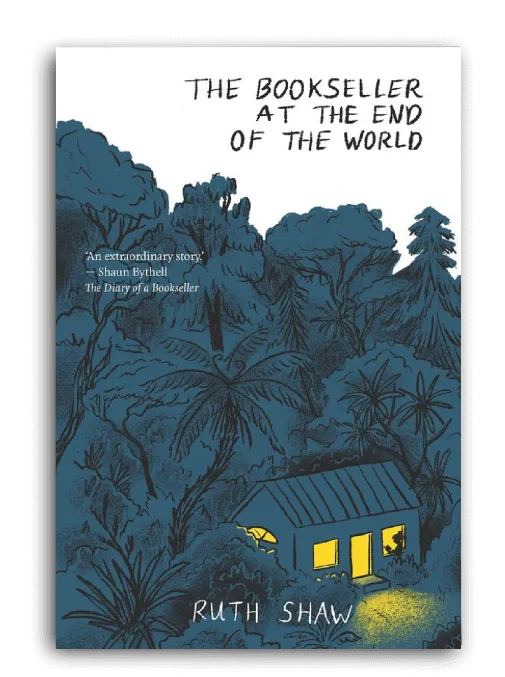
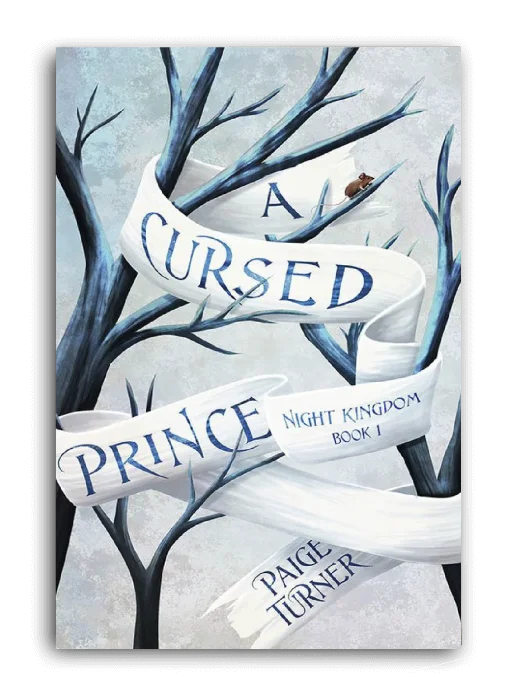
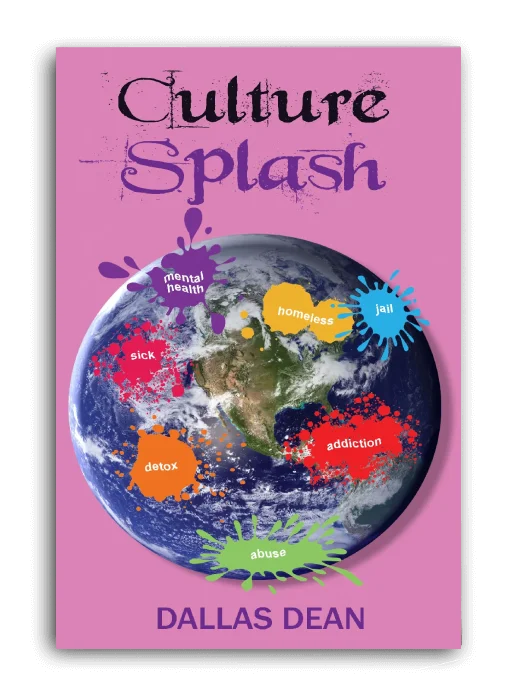
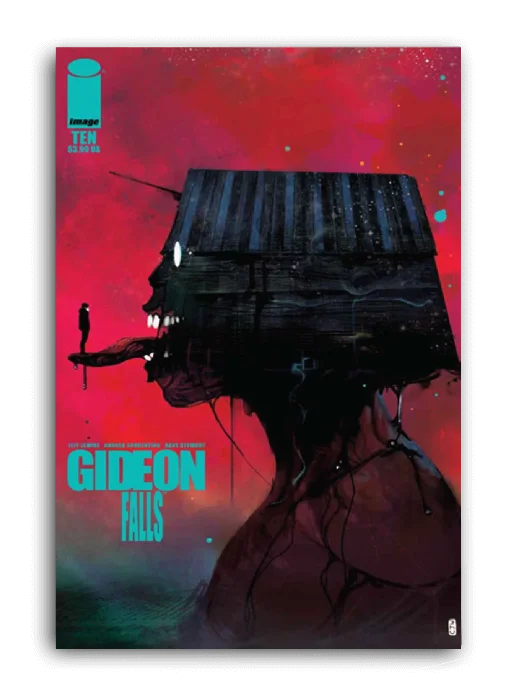
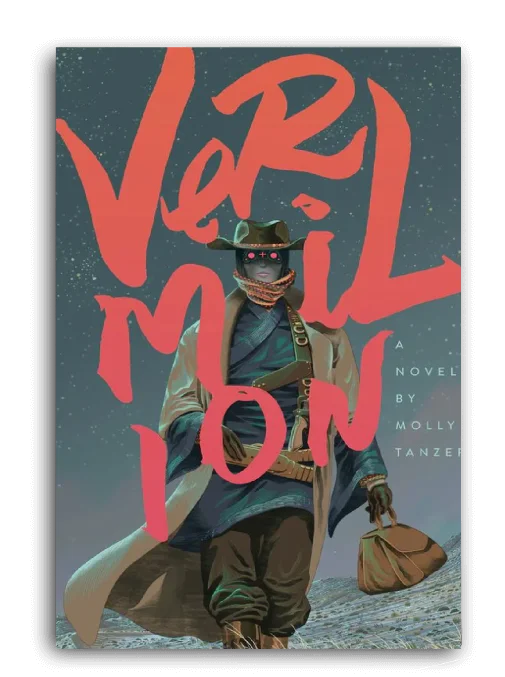
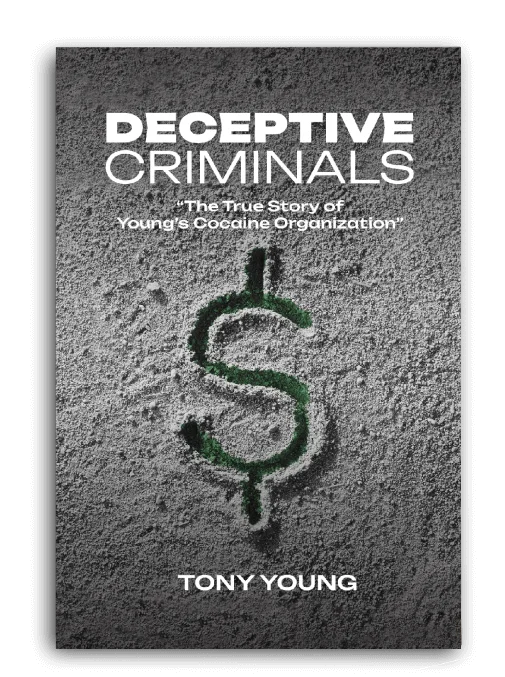
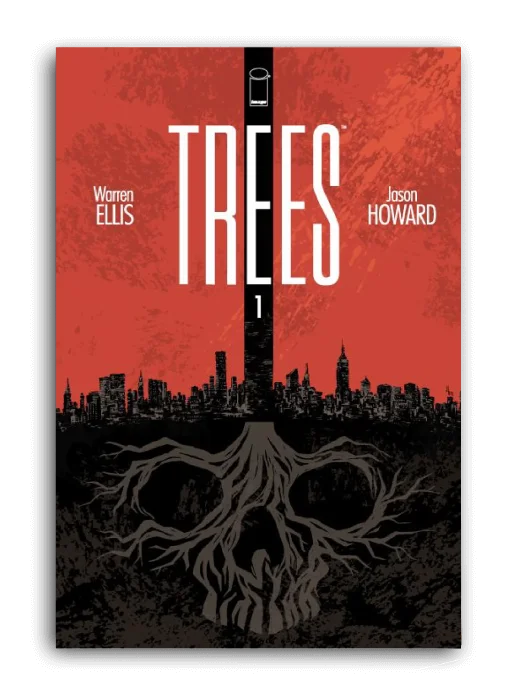
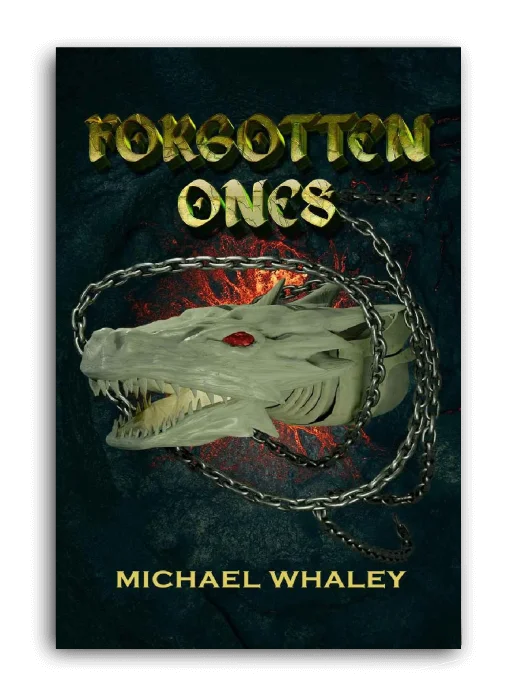
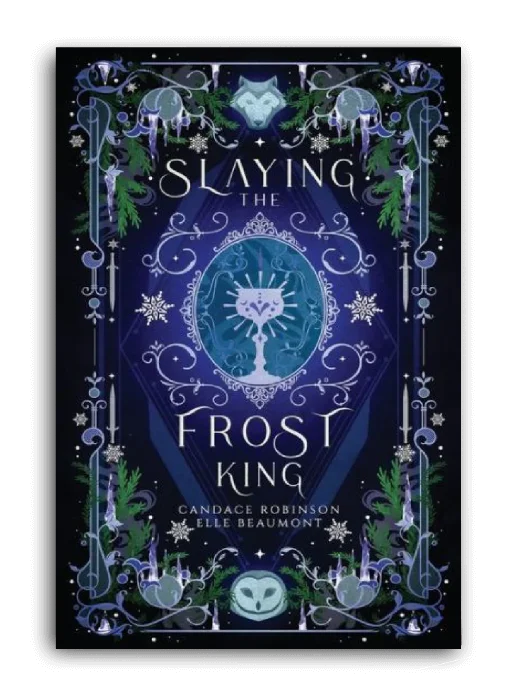
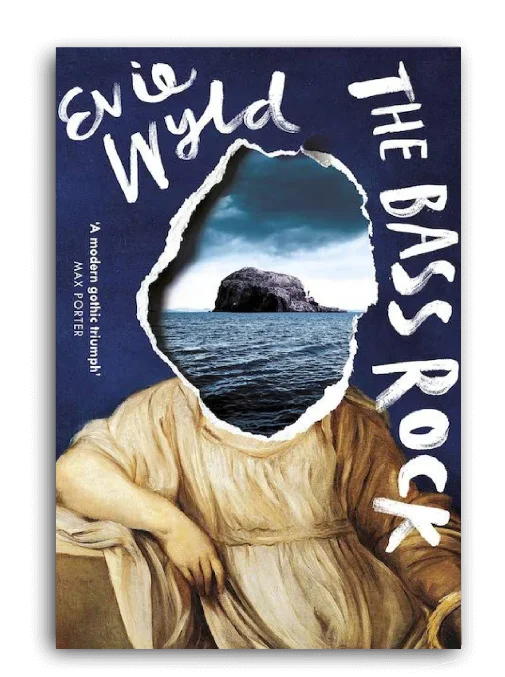
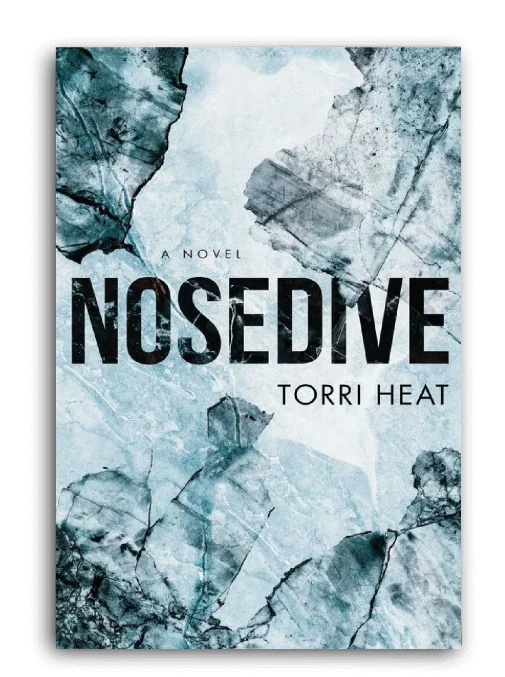
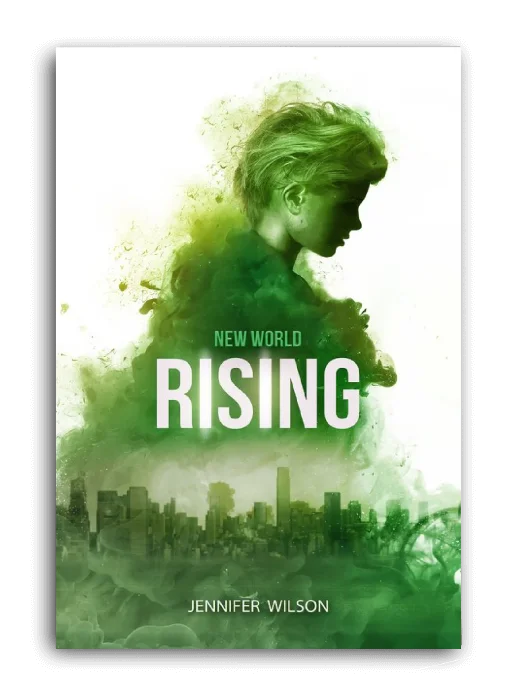
We have been able to successfully complete a number of projects of different dimensions and scopes. Business leaders, working professionals and large and small organizations are just a few of our clients. Here are some books we've written and published for our clients: