
Everyone has a story. The question is not whether your life is interesting enough to fill a book it is. The real question is: how do you get it out of your head and onto the page in a way that other people will actually want to read? Most people who want to write their memoir or life story are held back by one of three things: they do not think they are a good enough writer, they do not know where to start, or they cannot find the time. This guide addresses all three. Whether your story is one of triumph over adversity, a career defined by purpose, a family history that needs preserving, or simply a life lived fully there is a path from where you are now to a finished, published book. You do not need to be a writer to walk that path. You just need the right guidance and the right support.
Before anything else, let us address the inner voice that says your story is not special enough. It is wrong.
Books are not published because the author’s life was extraordinary by some objective measure. They are published because the author’s experiences connect with readers because someone in the world will read your story and feel seen, understood, or inspired by it. Every life contains moments of love, loss, struggle, resilience, surprise, and growth. Those are the ingredients of every great memoir ever written.
Beyond the emotional value, writing your life story has deeply practical benefits:
Legacy: A published memoir preserves your experiences, values, and voice for your children, grandchildren, and future generations who never had the chance to know you.
Healing: The act of writing through difficult chapters of your life is one of the most powerful tools for processing and finding meaning in your experiences.
Connection: A published book connects you with readers who share your background, your challenges, or your journey often in ways you never anticipated.
Not every personal story takes the same form. Before you write a single word, it is important to understand the shape your book will take.
A memoir covers a significant portion of your life, typically organised around a central theme or emotional journey. It is not a chronological list of everything that happened to you. The best memoirs are shaped like novels — they have a beginning, a middle, and a transformation. Think of it as the story of how you became who you are.
Rather than covering your whole life, this format focuses on one defining chapter: a period of illness and recovery, a career transition, a difficult relationship, or a journey across the world. These books often have a tighter narrative arc and can be easier to write because the scope is well defined.
If your primary goal is to preserve memories for your family rather than publish for a wide readership, a legacy book is the right format. These are often printed in smaller quantities and gifted to family members. They can include photographs, letters, and documents alongside the written narrative.
If your journey has a clear lesson — overcoming addiction, building a business from nothing, surviving grief, or finding faith — your story may naturally fit into the inspirational nonfiction genre. These books often have the broadest commercial reach because they speak directly to readers who are currently in the situation you have already navigated.
Not sure which format is right for you? Shadow Ghostwriter’s team can help you identify the ideal structure during a free consultation. Visit our ghostwriting services page to explore your options.
The most common mistake first-time memoir writers make is sitting down in front of a blank page and expecting the words to flow. They rarely do not because the story is not there, but because the story has not yet been excavated.
Before you begin writing, spend time in deliberate memory recovery. Here are the most effective methods:
Create a simple timeline of the significant events of your life from childhood to the present day. Do not worry about what to include or exclude. Simply write down everything you remember — events, places, people, feelings, turning points. This exercise surfaces memories you did not know you still had.
Ask a trusted friend, family member, or professional to interview you about your life. Being asked questions unlocks memories differently than trying to recall them alone. Many professional ghostwriters use this method as the foundation of the entire memoir-writing process. It feels less like writing and more like conversation, and the results are often richer and more emotionally honest.
Sit with old photographs, letters, diaries, or significant objects from your past. Physical prompts are extraordinarily powerful memory triggers. Allow yourself to write whatever comes up without editing, without judgment. This is not your book yet. It is your raw material.
Some people find it far easier to talk than to write. If that is you, simply record yourself talking about your life, your childhood home, your parents, a pivotal moment, or a person who changed you. These recordings can be transcribed and used as source material for your book.
Once you have gathered your raw material, the next step is to identify what your book is really about. Every memoir has a surface story and a deeper story. The surface story is what happens. The deeper story is what it means.
A memoir about surviving cancer is, on the surface, about illness and treatment. But at its heart, it might be about learning to ask for help, or discovering what truly matters, or the transformation of a relationship. That deeper layer is what makes readers feel that a book was written for them even when it was written about someone else entirely.
Ask yourself: What do I want readers to take away from my story? What changed in me, and why does that change matter? What would I want someone going through a similar experience to know?
The answers to those questions are your book’s compass. Everything you include should serve that deeper purpose. Everything that does not can be saved for another chapter or left on the cutting room floor.
Structure is where many aspiring memoir writers get stuck. The temptation is to start at the beginning and write straight through to the end. But chronological structure, while logical, is rarely the most compelling way to tell a personal story.
Professional memoir writers use a range of structural techniques to create narrative tension and keep readers engaged:
In media res: Begin in the middle of a gripping scene, then circle back to establish context. This drops the reader immediately into the action.
Thematic chapters: Rather than organising by date, organise by theme — each chapter explores a different dimension of your central story.
Parallel timelines: Weave together past and present, allowing the reader to see how historical events shaped your current self.
The frame narrative: Open with a scene from later in your life, then tell the story of how you got there.
Structure is one of the most complex elements of memoir writing and one of the most powerful. If you are working with a professional ghostwriter, this is where their experience pays dividends. Our team at Shadow Ghostwriter specialises in building memoir structures that serve your story rather than constrain it. Explore our memoir and biography writing services to learn more.
This is the single most important piece of advice for any first-time author: write badly. On purpose. Without apology.
The inner critic that tells you your writing is not good enough is the biggest obstacle between you and a finished memoir. The only way to silence it is to agree with it temporarily. Yes, the first draft will be rough. Yes, some of it will be awkward and over-written and emotionally uneven. That is exactly as it should be.
A first draft is not a book. It is a discovery process. You are not writing for readers yet. You are writing to find out what you think, what you remember, and what the story actually is. The editing process which comes later is where a messy first draft becomes a polished book.
Set yourself a daily or weekly word count target and commit to it. Five hundred words a day is a full memoir in six months. One thousand words a day gets you there in three. The pace matters less than the consistency.
For many people, the answer to ‘how do I write my life story’ is not ‘sit down and start typing.’ It is ‘find the right person to help you.’ And that is a completely legitimate choice that thousands of published authors make every year.
Ghostwriting a memoir is not a shortcut or a compromise. It is a collaboration between someone with a story and someone with the craft to tell it. The ideas, the memories, the experiences, the voice — all of it comes from you. The ghostwriter’s job is to shape that material into a book that reads as naturally and authentically as if you had written every word yourself.
The entire process is confidential. Your ghostwriter signs a non-disclosure agreement, and the finished book is published entirely under your name. Shadow Ghostwriter has helped hundreds of individuals turn their life stories into published memoirs, biographies, and personal histories. Our professional ghostwriting services are tailored to your story, your voice, and your goals.
Once your manuscript is complete whether you wrote it yourself or worked with a ghostwriter the journey to publication begins. This stage involves several professional steps that are critical to producing a book that readers will take seriously:
A developmental edit reviews the structure, pacing, and emotional arc of your memoir. A copy edit addresses grammar, consistency, and clarity at the sentence level. Both are essential. Even the most experienced authors work with professional editors; it is not a sign of weakness, it is a sign of professionalism. Explore Shadow Ghostwriter’s book editing services to ensure your manuscript is the best it can be.
The final check before publication, proofreading catches any remaining errors that slipped through the editing process. A professionally proofread memoir signals to readers that you take your work seriously. Our book proofreading services provide the thorough final polish your book deserves.
Interior formatting prepares your manuscript for both print and digital publication. This includes typography, chapter headers, margins, spacing, and the overall layout of your pages. Poor formatting can undermine even the most beautifully written memoir. Shadow Ghostwriter provides professional book formatting services that meet Amazon KDP and IngramSpark’s technical specifications.
Once your book is edited, proofread, and formatted, it is ready to be published. Our book publishing services handle everything from ISBN registration to global distribution on Amazon and beyond so your memoir reaches the readers it was written for.
The biggest barrier between you and a published memoir is not your writing ability. It is the decision to begin. Every published author whether they wrote every word themselves or worked with a professional made one simple choice: they decided their story was worth telling. Your story is worth telling. And you do not have to do it alone.
Tags: ghostwriting cost 2025 • how much does a ghostwriter cost • ghostwriting pricing • professional ghostwriting services • shadow ghostwriter
Absolutely. Ghostwriting has been a standard publishing practice for centuries. Countless bestsellers across memoir, business, and fiction have been written with ghostwriting support. What matters is that the ideas, story, and vision are yours — which is always true when you work with a professional.
Yes — many professional agencies offer flexible payment plans. Shadow Ghostwriter currently offers up to 50% off on consultation. Starting with a free consultation is the best way to understand your options without any commitment.
A standard 200-page book typically takes 2–3 months with a professional service. Larger or more complex projects with research and marketing components run 3–5 months. Rush timelines are often available at an additional cost.
With any reputable ghostwriting agency, yes — you retain 100% ownership and copyright. Shadow Ghostwriter explicitly guarantees complete content ownership in all their packages. Always confirm this in writing before signing any contract.
The most cost-effective route is a bundled agency package that includes writing, editing, and publishing. This avoids the "hidden cost trap" of hiring separately for each service — and typically delivers a higher-quality result with less friction.
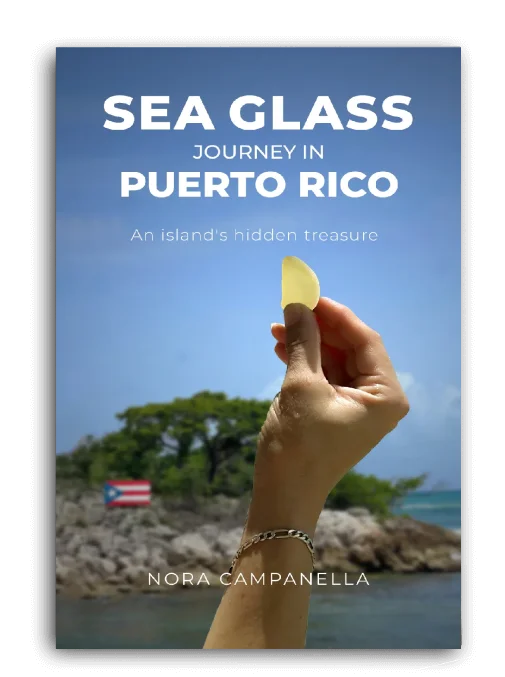
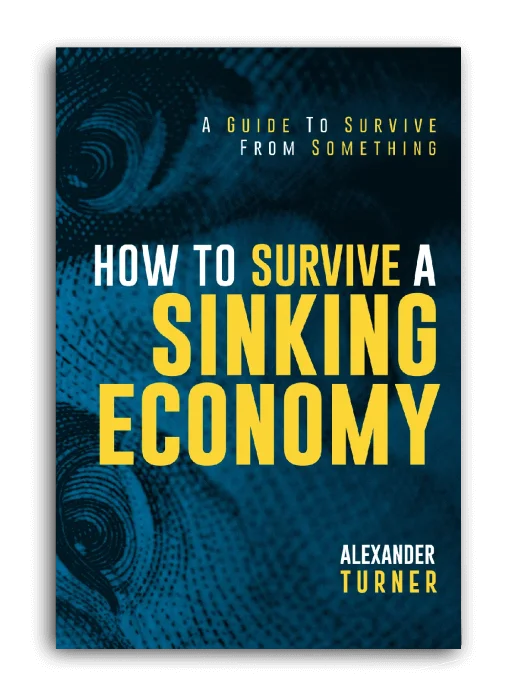
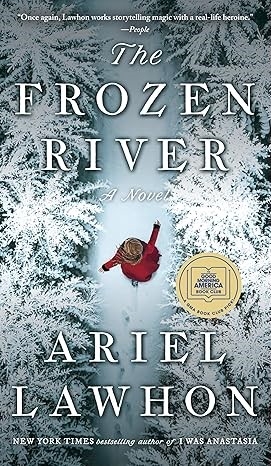
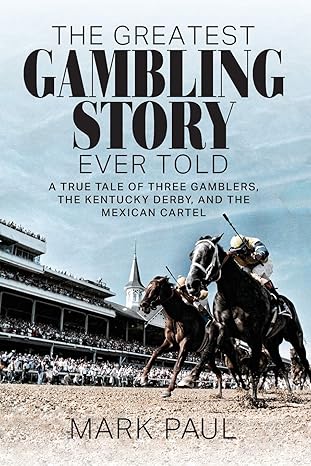
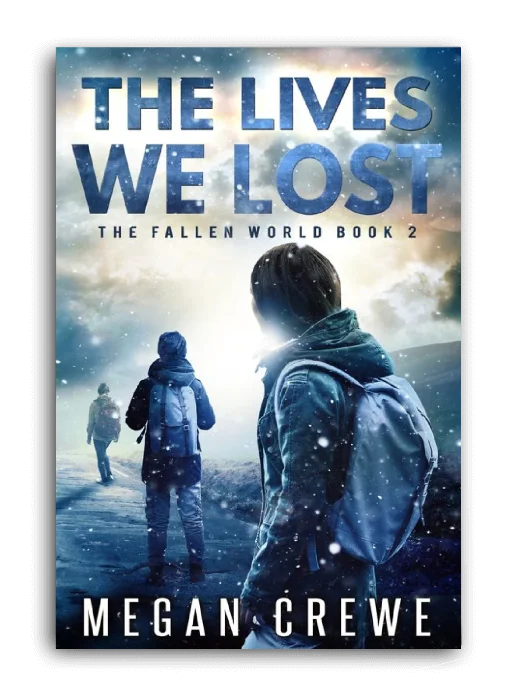
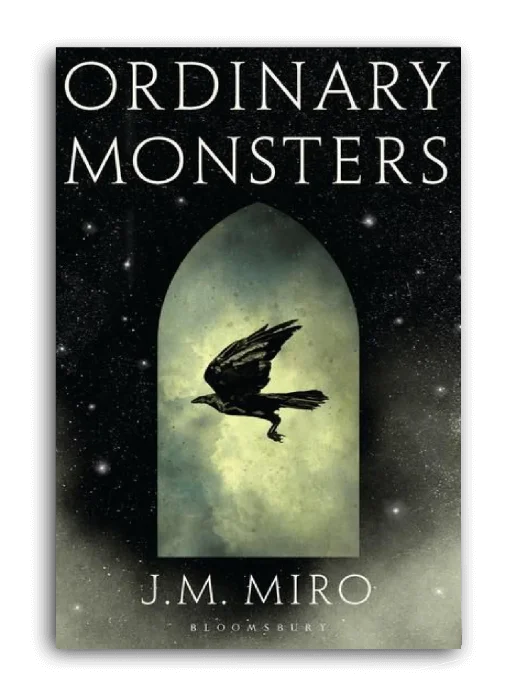
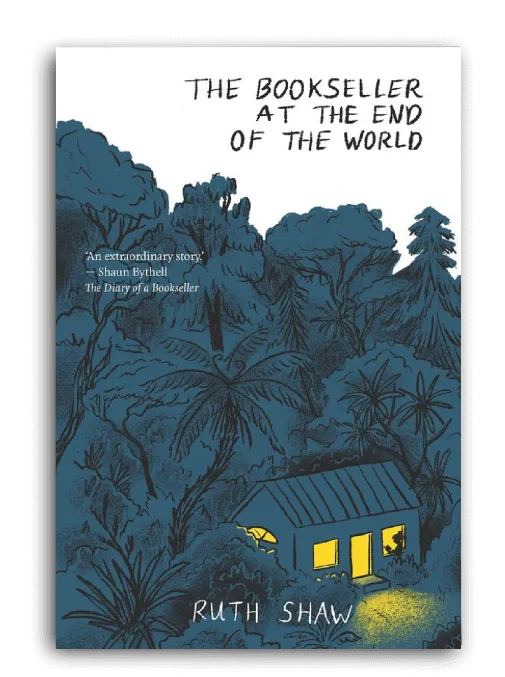
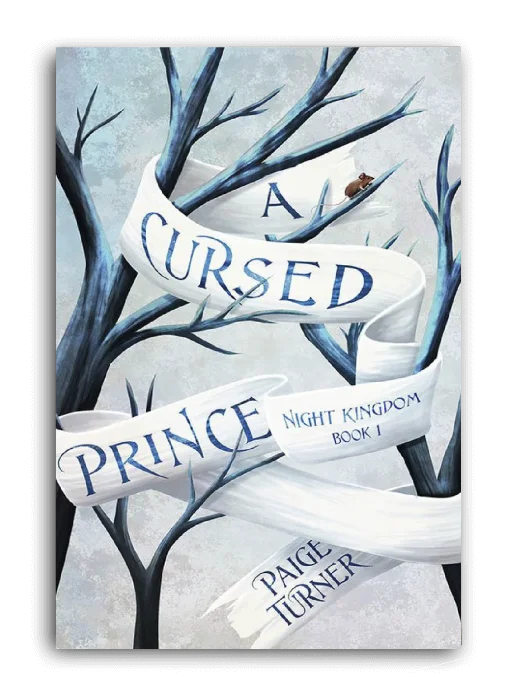
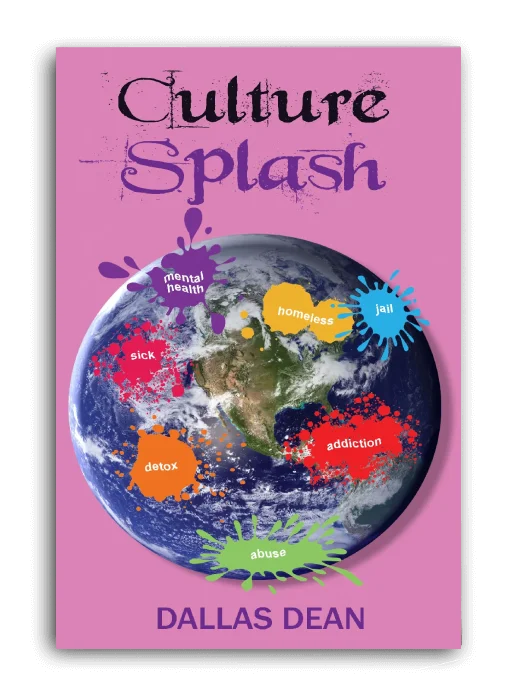
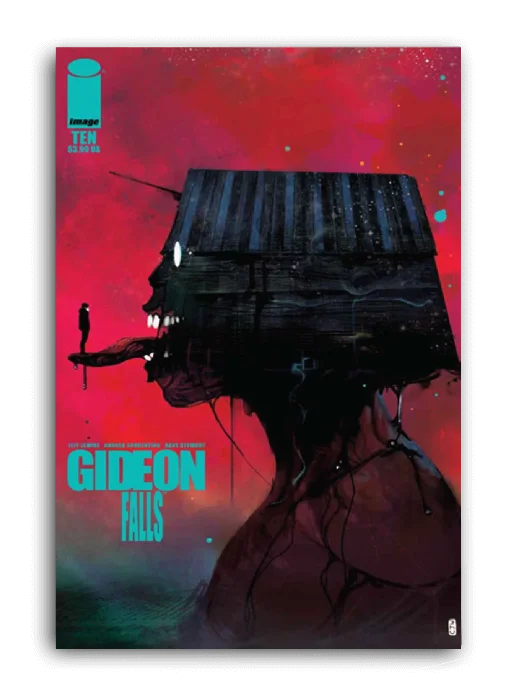
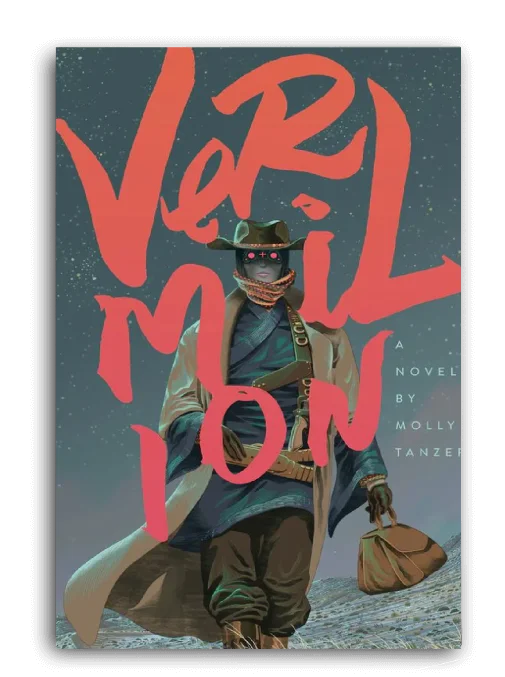
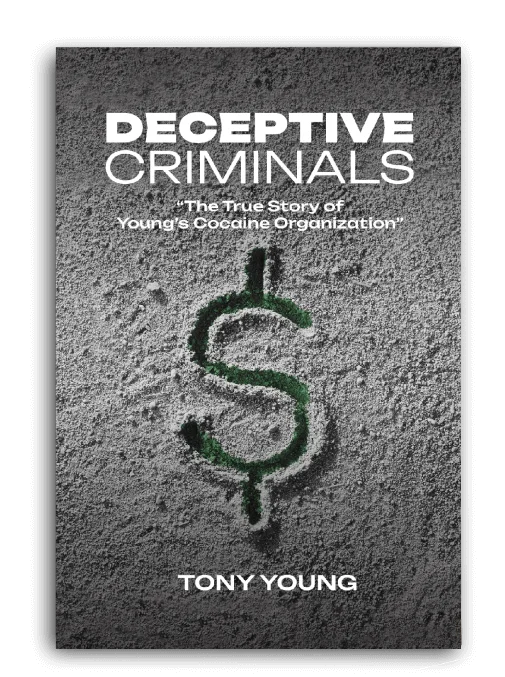
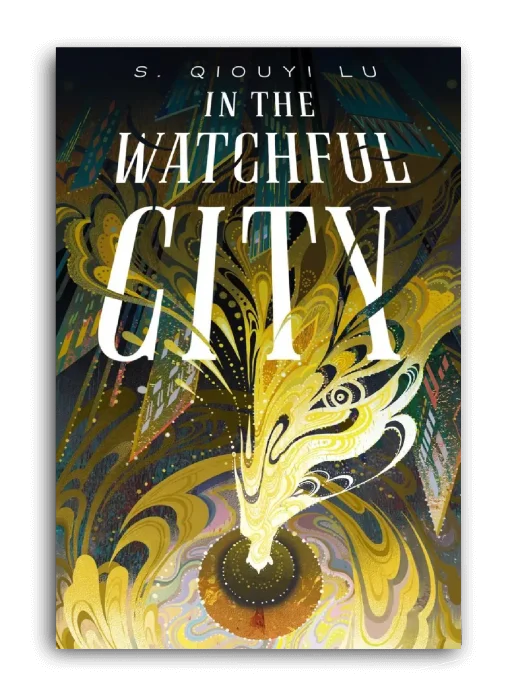
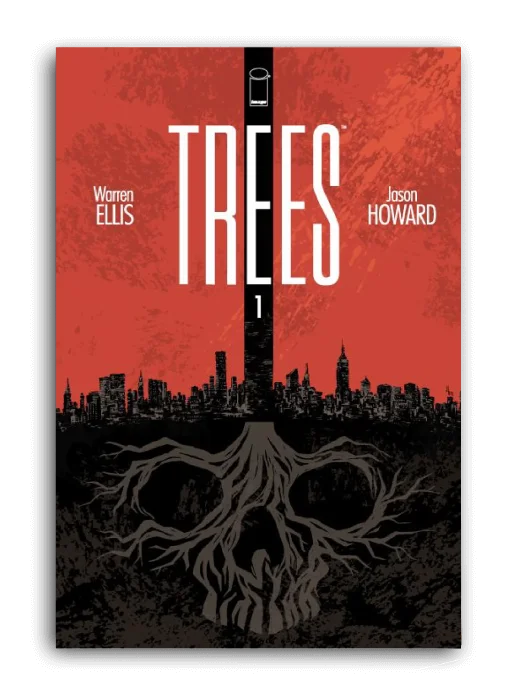
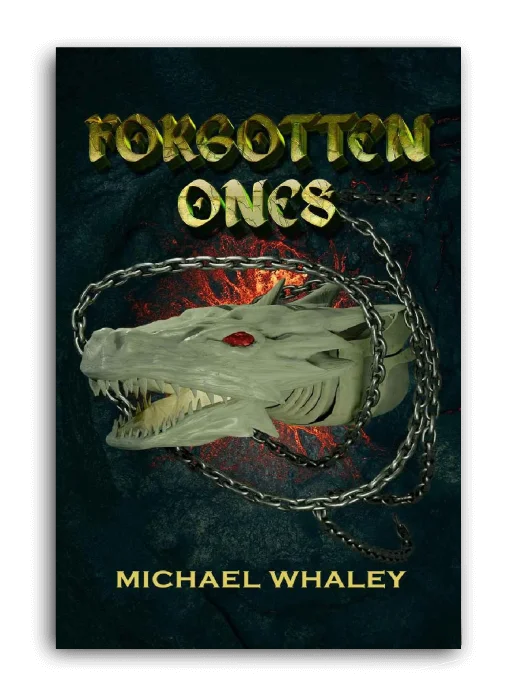
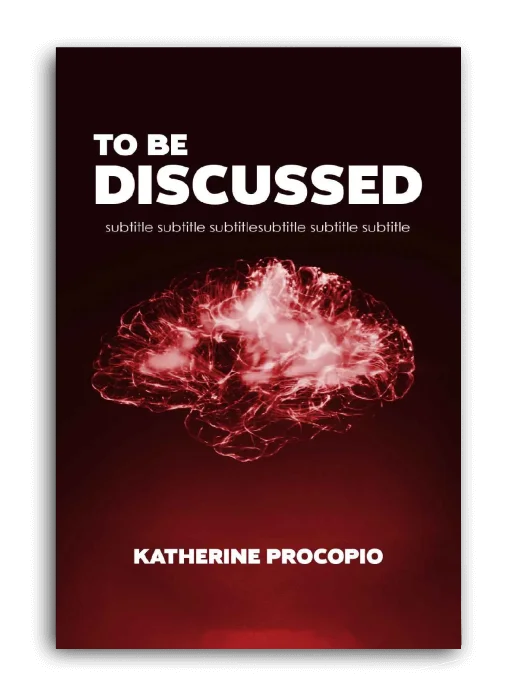
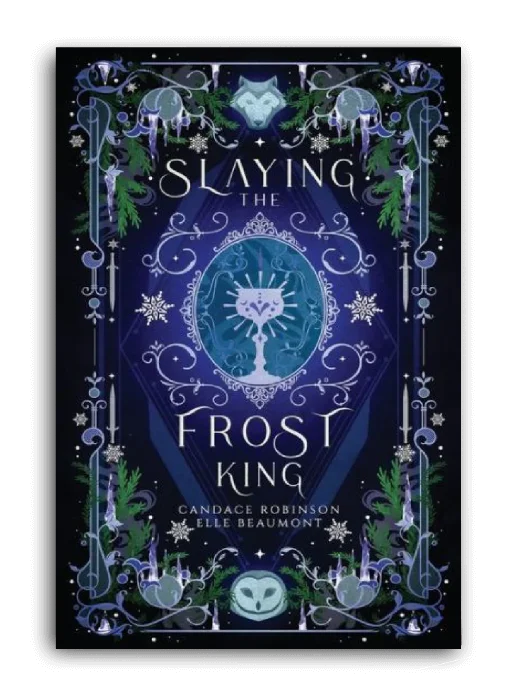
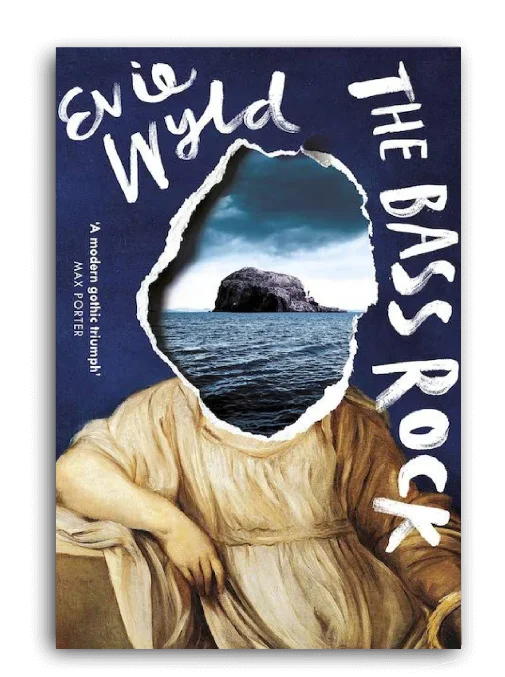
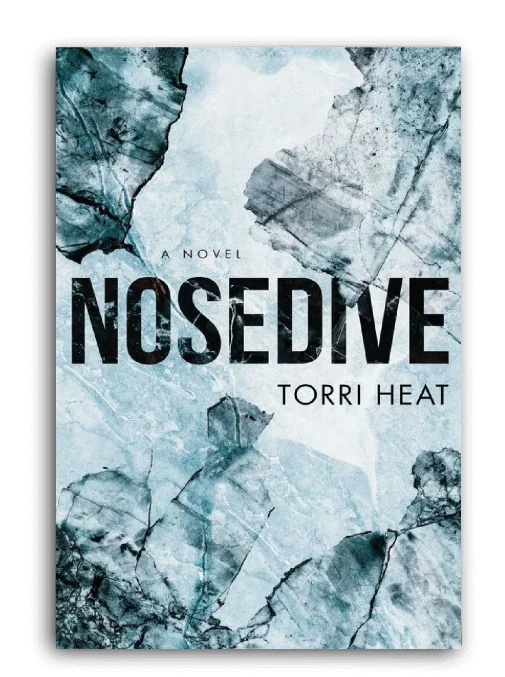
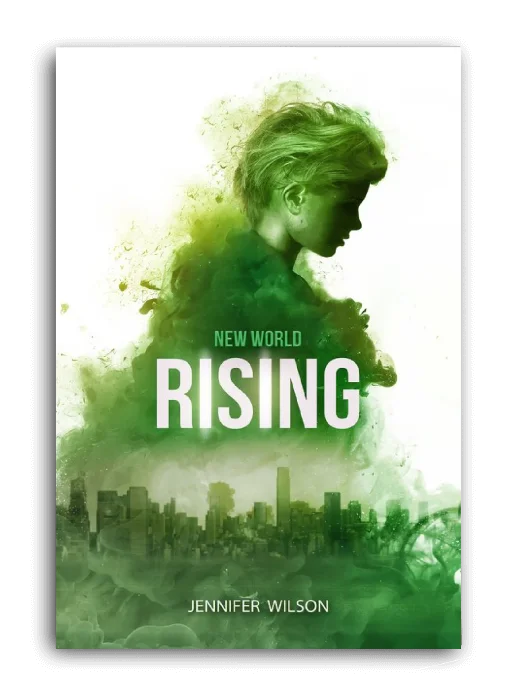
We have been able to successfully complete a number of projects of different dimensions and scopes. Business leaders, working professionals and large and small organizations are just a few of our clients. Here are some books we've written and published for our clients: