
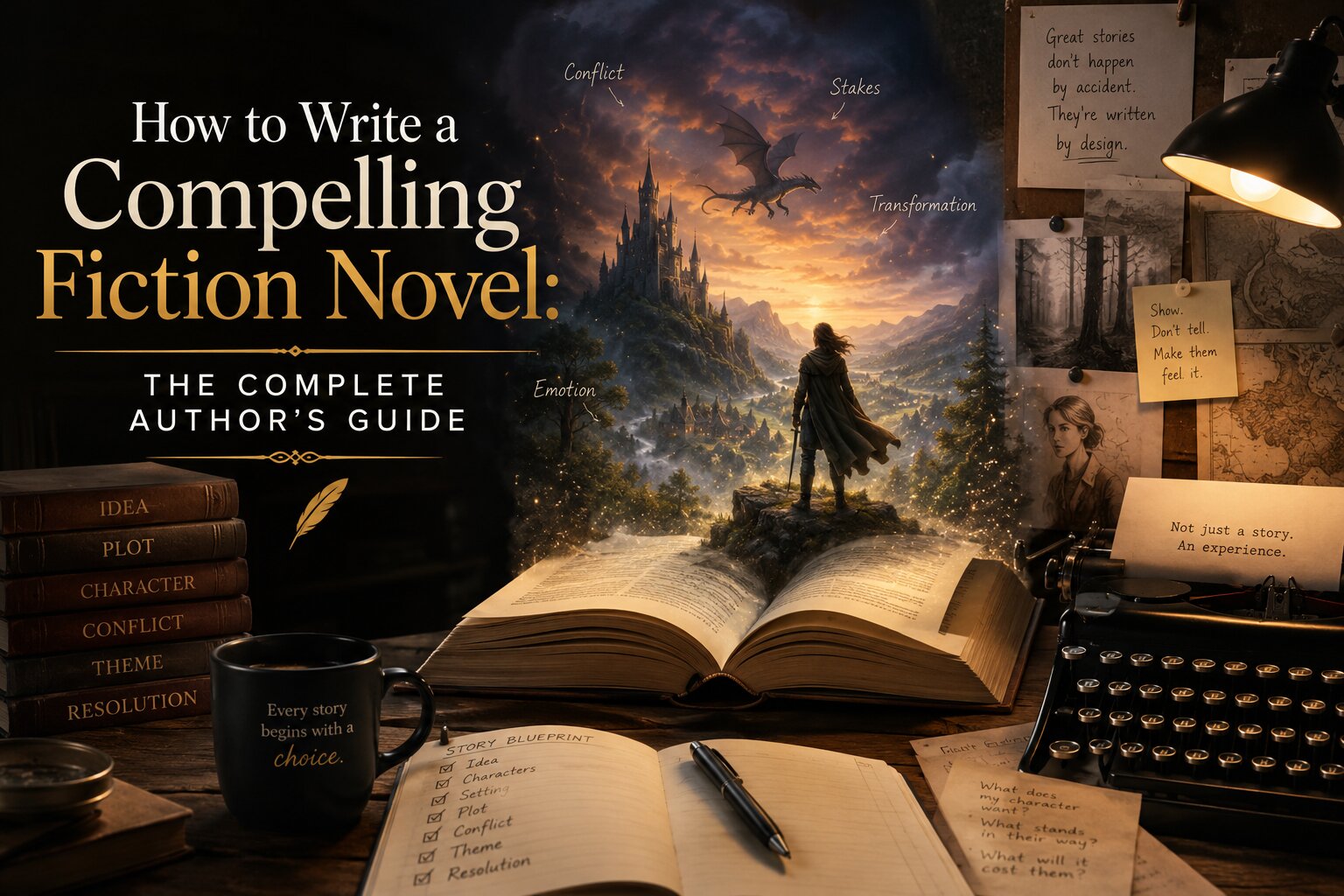
Every great novel starts the same way: with a single person who has a story to tell and no idea how to tell it. If you are sitting on an idea right now, wondering how to write a fiction novel that readers cannot put down, you are in the right place.
This complete fiction writing guide walks you through every stage of writing a compelling fiction novel, from shaping your first idea into a plot structure to building unforgettable characters, crafting immersive worlds, writing sharp dialogue, and finally getting your manuscript published. Whether you are a first-time author or a developing writer looking to level up, this guide covers everything you need to know.
According to the Association of American Publishers, fiction books account for over 47% of all consumer book sales in the United States each year. The market for compelling fiction writing has never been stronger, and readers are hungry for fresh voices and original stories.
If you would rather hand the craft to a professional, our fiction writing services are available to help you at any stage of your project. But first, let's explore what it truly takes to write a novel that stands out.
In a world saturated with short-form content, streaming platforms, and social media noise, the novel remains one of the most powerful storytelling formats ever created. Fiction writing develops empathy, challenges assumptions, and transports readers to places they have never been. It is the only art form that lets you live inside another person's mind.
2.6 billion books are sold globally each year, with fiction leading all categories (Statista, 2024)
For aspiring authors, this means the audience for compelling fiction is enormous and growing. Self-publishing platforms like Amazon KDP have democratized the industry, making it possible for any writer to reach millions of readers worldwide. But reaching those readers still requires mastering the fundamentals of how to write a fiction novel that genuinely resonates.
"A writer only begins a book. A reader finishes it." — Samuel Johnson
The craft of fiction writing is not just about putting words on a page. It is about engineering an experience. That experience depends on how well you construct your plot, develop your characters, build your world, and manage the pacing of your story.
Every published novel begins with an idea, but not every idea becomes a novel. The difference between a passing thought and a publishable book lies in how you develop and pressure-test your initial concept before you write a single chapter.
Finding Your Story Seed
Story ideas can come from anywhere: a news headline, a personal memory, a question you cannot stop asking yourself, or a "what if" scenario that keeps you up at night. The best fiction writing ideas usually carry emotional weight. They make the author want to explore something deeply personal or universally human.
Before committing to an idea, ask yourself these foundational questions:
A strong premise is a single, clear sentence that captures the conflict and stakes of your novel. Think of it as the DNA of your story. A well-crafted premise guides every decision you make throughout the writing process.
Example of a weak premise: "A young wizard goes to a school of magic."
Example of a strong premise: "An orphaned boy discovers he is a famous wizard, enters a school of magic, and must confront the dark lord who murdered his parents before he destroys everything the boy has come to love."
Notice the difference. The strong premise includes the character, the conflict, and the stakes. That is the foundation of compelling fiction writing.
Plot structure is the backbone of fiction writing. Without a clear structural framework, even the most beautiful prose and fascinating characters will feel directionless. Understanding the proven architecture of storytelling is one of the most important skills any author can develop.
The three-act structure is the most widely used plot framework in fiction writing and screenwriting. It divides your story into three distinct phases:
Joseph Campbell's Hero's Journey is one of the most powerful plot frameworks in fiction writing, found in stories ranging from ancient mythology to modern blockbusters. The 12-stage journey includes the ordinary world, the call to adventure, the road of trials, the ordeal, and the return with new wisdom.
Many bestselling fiction novels follow this framework, consciously or not. Understanding the Hero's Journey gives you a psychological roadmap for creating stories that feel emotionally satisfying and universally resonant.
One of the most common questions in fiction writing is whether to outline your novel in advance (plotting) or write by intuition and discovery (pantsing, short for "writing by the seat of your pants").
The truth is, most successful authors use a hybrid approach. A loose outline provides direction and prevents major structural problems, while leaving room for creative discovery keeps the writing fresh and unexpected. The right balance depends on your personal creative style.
78% of traditionally published authors use some form of outlining before they begin writing (Writer's Digest Survey, 2023)
Readers do not fall in love with plots. They fall in love with characters. The most memorable fiction novels are defined by protagonists who feel deeply human, whose struggles mirror our own, and whose journeys change them in meaningful ways. Crafting that kind of character requires deliberate work on what writers call the character arc.
A character arc describes how your protagonist changes from the beginning of the novel to the end. There are three primary types:
A compelling protagonist needs more than a name and a goal. They need depth, contradiction, and specificity. The most powerful characters in fiction writing carry three layers:
When these three elements align and conflict throughout your story, your protagonist will feel genuinely alive on the page.
Every major character in your novel should serve a narrative purpose. Supporting characters can function as mirrors, foils, mentors, or catalysts for your protagonist. Your antagonist, whether a person, a force, or an internal conflict, should be the most direct obstacle to your protagonist's goal and the sharpest challenge to their core beliefs.
"The most important thing about a character is what he wants, and then what he does about it." — Kurt Vonnegut
Whether you are writing contemporary literary fiction, epic fantasy, science fiction, or historical fiction, world-building is a critical element of compelling fiction writing. Your world is not just a backdrop. It is an active participant in your story that shapes your characters, drives your plot, and creates the atmosphere that defines your reader's experience.
The most effective approach to world-building in fiction writing is the iceberg principle: you should know ten times more about your world than you ever put on the page. The deep research and imagination you invest into your world creates a sense of depth and authenticity that readers feel, even when they cannot see it directly.
For your fictional world, consider developing:
Effective fiction writing never dumps world-building information on the reader in heavy-handed blocks of exposition. Instead, reveal your world through your characters' experiences, conflicts, and perceptions. Use sensory detail, subtext, and conflict to let the world emerge organically from the story.
A character struggling to pay rent in a dystopian city tells us more about that world than three pages of description ever could. Show the world through the lens of characters who live in it.
Pacing is one of the most underappreciated elements of fiction writing, and one of the most important. It refers to the speed and rhythm at which your story unfolds and how that rhythm affects the reader's emotional experience.
In fiction writing, pacing is controlled through a combination of scene length, sentence structure, action versus reflection, and the strategic placement of tension and release. Fast pacing uses short sentences, rapid action, and high-stakes conflict. Slow pacing uses longer sentences, internal reflection, and emotional depth.
Neither fast nor slow is inherently better. The goal is variation: using pacing deliberately to create a reading experience that alternates between tension and breathing room, keeping readers engaged without exhausting them.
A powerful pacing technique used by professional fiction writers is the scene and sequel structure. Every narrative unit in your novel can be divided into:
Balancing scenes and sequels creates a natural rhythm that drives your story forward while giving readers time to process and invest emotionally in your characters.
One of the most practical pacing tools in fiction writing is the chapter hook. Ending each chapter with a question, revelation, threat, or cliffhanger compels readers to keep turning pages. The best commercial fiction writers craft their chapter endings as carefully as their opening lines.
67% of readers say they stop reading a book because "it got slow in the middle" (Goodreads Reader Survey, 2023)
Dialogue is one of the most powerful tools in fiction writing. It reveals character, advances plot, creates conflict, and gives your story its unique voice. But writing dialogue that sounds natural, serves the narrative, and stays engaging is a skill that requires conscious development.
Every line of dialogue in your novel should serve at least two of the following purposes simultaneously:
In fiction writing, dialogue pitfalls can instantly weaken an otherwise strong manuscript:
"Dialogue is not just conversation. It is a fight between people who don't want to say what they mean." — David Mamet
In professional fiction writing, the word "said" is largely invisible to readers and almost always preferable to elaborate substitutes like "exclaimed," "opined," or "vociferated." Use strong action beats (physical descriptions of what a character is doing while speaking) to add variety, reinforce character, and anchor dialogue in scene.
Writing a first draft is only the beginning of the fiction writing process. The real craft of novel writing happens in revision. Professional authors typically complete three to five significant revision passes before their manuscript is ready for publication.
A structured approach to revision will help you see your manuscript clearly and improve it systematically:
Even the most experienced authors work with professional editors before publication. A skilled editor provides the objective perspective that no writer can develop about their own work. For serious fiction writers preparing for publication, investing in professional editing is not optional. It is essential.
Shadow Ghostwriter offers comprehensive book editing services and book proofreading services designed specifically for fiction authors. Our editors understand the unique demands of novel writing and will help you take your manuscript from good to extraordinary.
Finishing your manuscript is a milestone worth celebrating. But for most fiction writers, the goal is not simply to write a novel. It is to share that novel with readers. The path from completed manuscript to published book involves a series of critical decisions.
Today's fiction writers have two primary publishing routes:
4 million+ new books are self-published each year on Amazon KDP alone (Amazon, 2024)
Regardless of which publishing path you choose, every fiction novel should complete these production steps before release:
Shadow Ghostwriter's book publishing services and book formatting services are designed to take your completed fiction manuscript all the way through to a professionally published, market-ready book. We handle every step so you can focus on what matters most: your story.
In the modern publishing landscape, an author platform is one of the most valuable assets a fiction writer can build. Your platform includes your website, social media presence, email list, and any existing audience or credibility you bring to your book launch.
Publishers and literary agents increasingly look for authors who have already built an engaged audience. Self-publishing authors who invest in their platforms before launch consistently outsell those who launch with no existing readership.
Writing a compelling fiction novel is one of the most ambitious, rewarding, and challenging creative endeavors a person can undertake. It requires craft, patience, courage, and an unwillingness to settle for anything less than your best work.
Every element covered in this guide, from plot structure and character arcs to world-building, pacing, dialogue, and publishing, is a learnable skill. Great fiction writers are not born. They are made through deliberate practice, honest feedback, and an unshakeable commitment to the story they are trying to tell.
The most important step is the one you take next. Whether that means outlining your first chapter, revisiting your protagonist's character arc, or reaching out for professional support, every action you take moves your novel one step closer to the hands of readers who need it.
"You can always edit a bad page. You can't edit a blank page." — Jodi Picoult
If you are ready to write your fiction novel but want expert support at your side, Shadow Ghostwriter is here to help. Our team of professional fiction writers, editors, and publishing specialists has helped hundreds of authors turn their ideas into published books that readers love.
Absolutely. Ghostwriting has been a standard publishing practice for centuries. Countless bestsellers across memoir, business, and fiction have been written with ghostwriting support. What matters is that the ideas, story, and vision are yours — which is always true when you work with a professional.
Yes — many professional agencies offer flexible payment plans. Shadow Ghostwriter currently offers up to 50% off on consultation. Starting with a free consultation is the best way to understand your options without any commitment.
A standard 200-page book typically takes 2–3 months with a professional service. Larger or more complex projects with research and marketing components run 3–5 months. Rush timelines are often available at an additional cost.
With any reputable ghostwriting agency, yes — you retain 100% ownership and copyright. Shadow Ghostwriter explicitly guarantees complete content ownership in all their packages. Always confirm this in writing before signing any contract.
The most cost-effective route is a bundled agency package that includes writing, editing, and publishing. This avoids the "hidden cost trap" of hiring separately for each service — and typically delivers a higher-quality result with less friction.
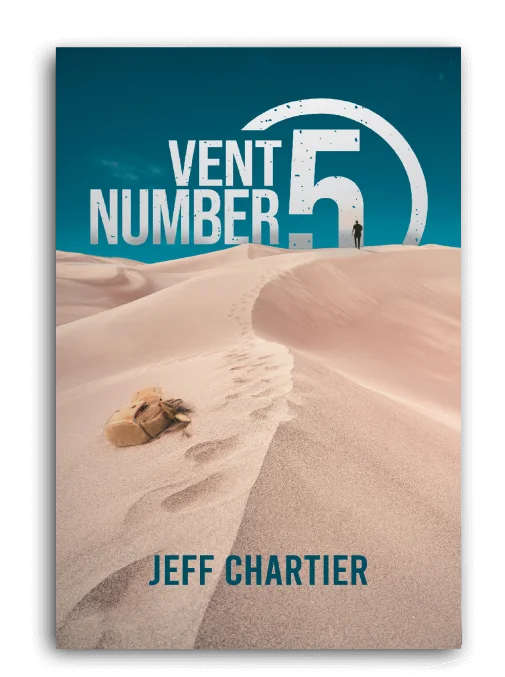
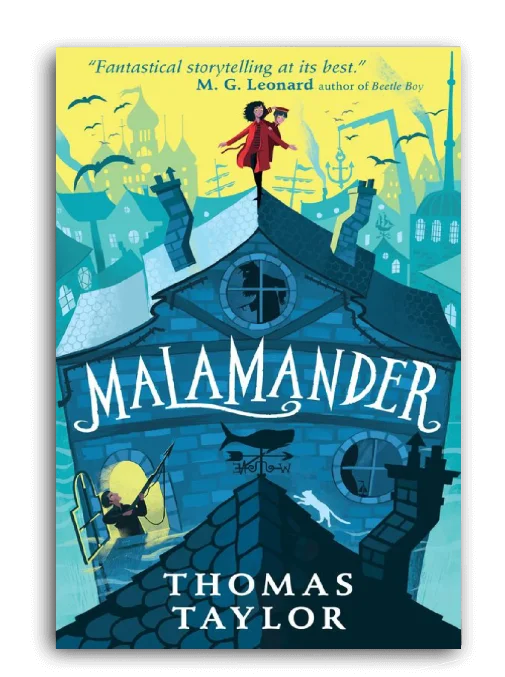
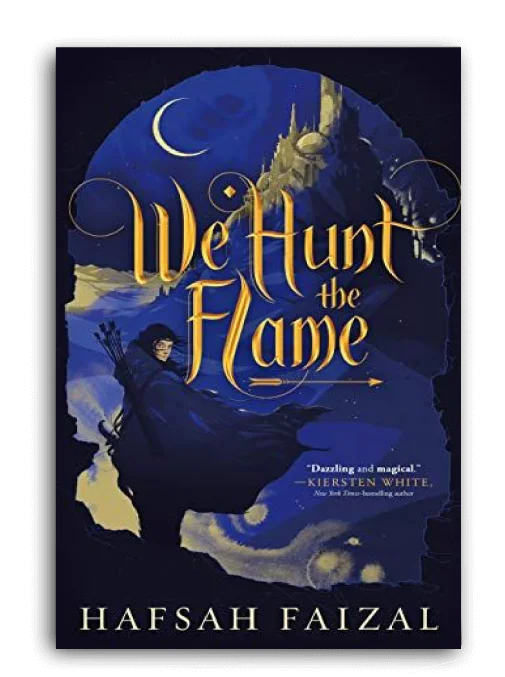
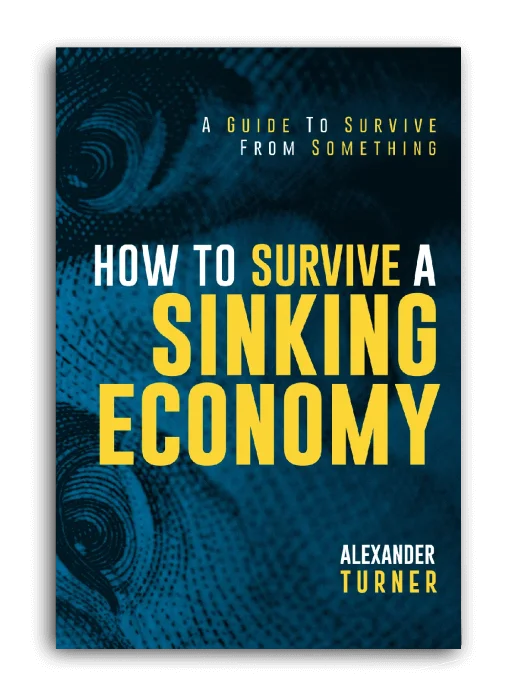
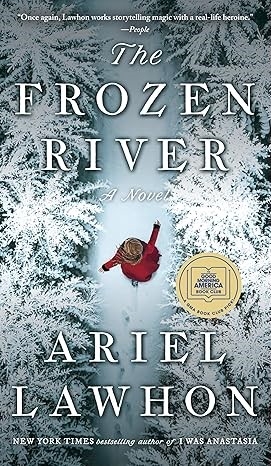
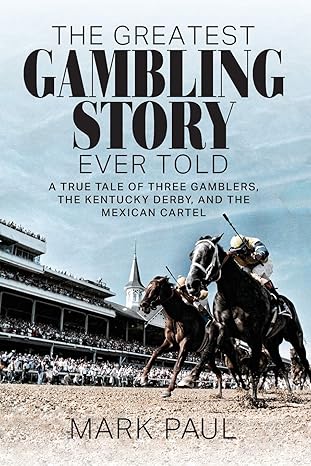
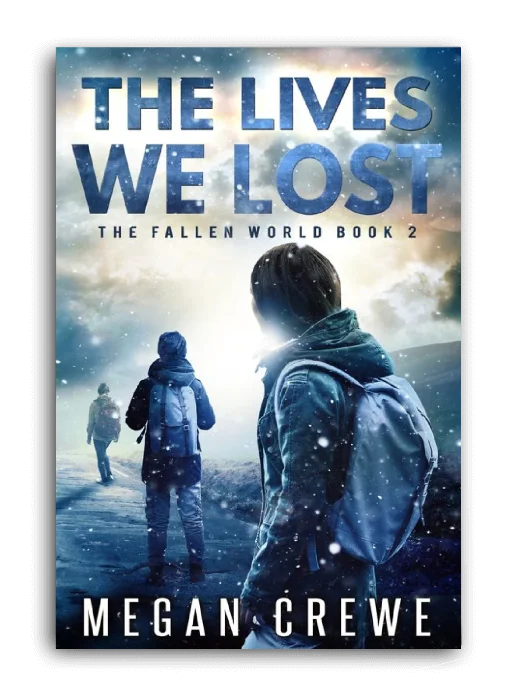
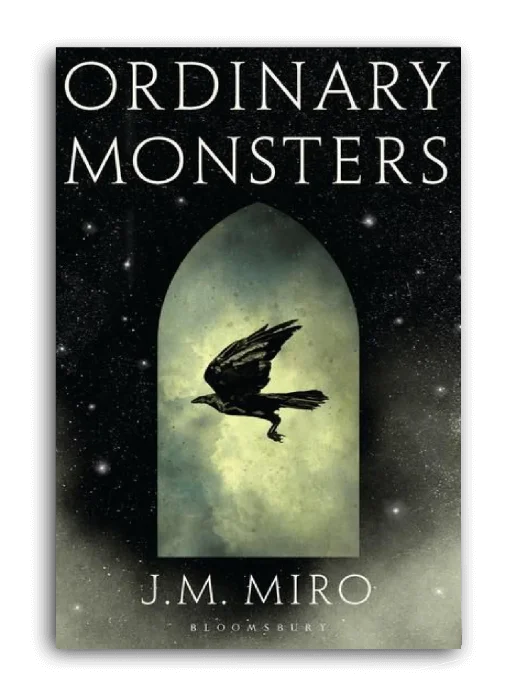
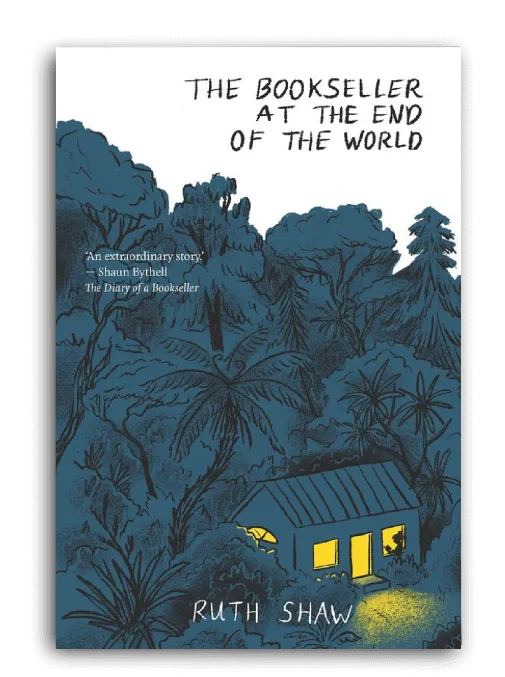
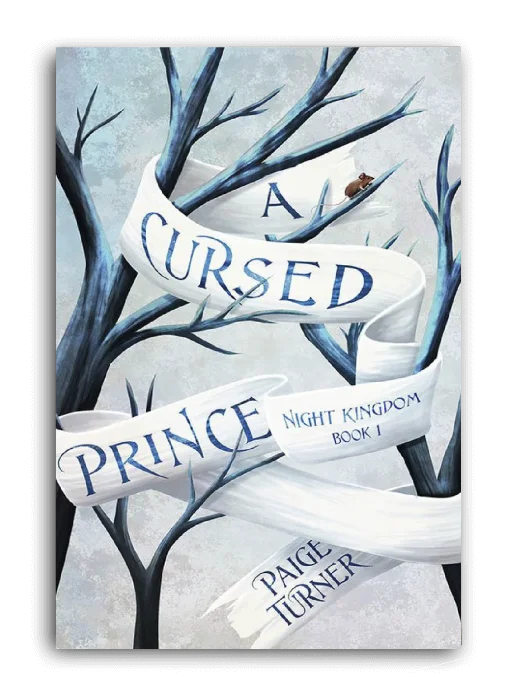
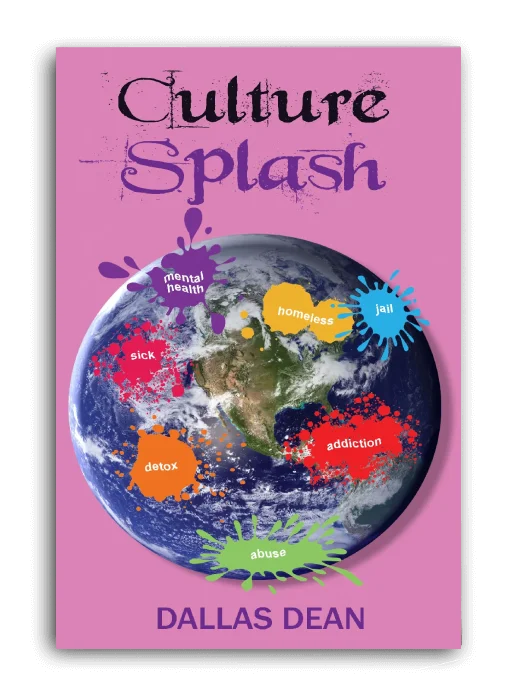
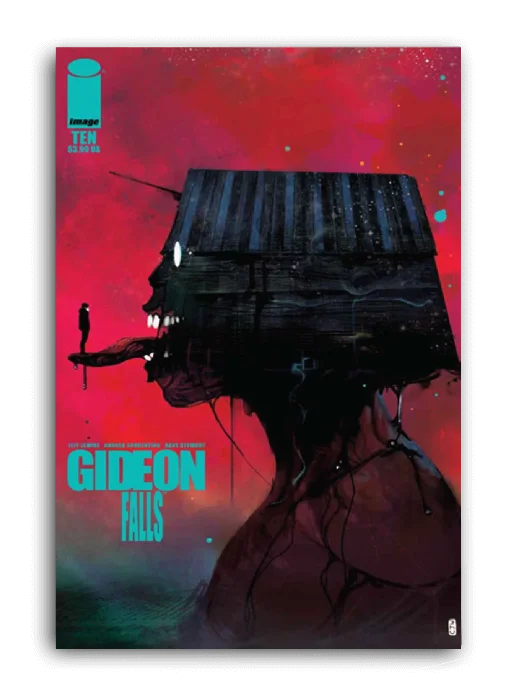
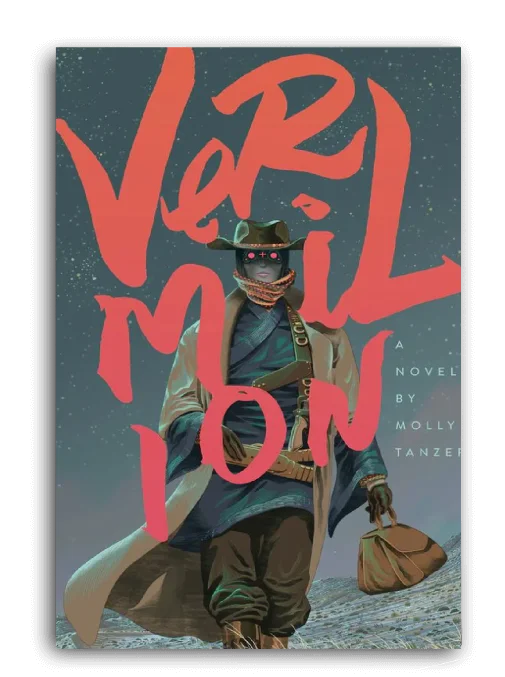
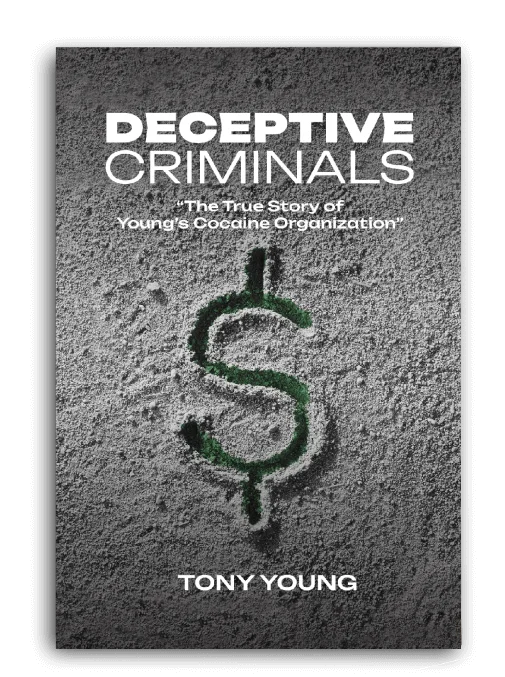
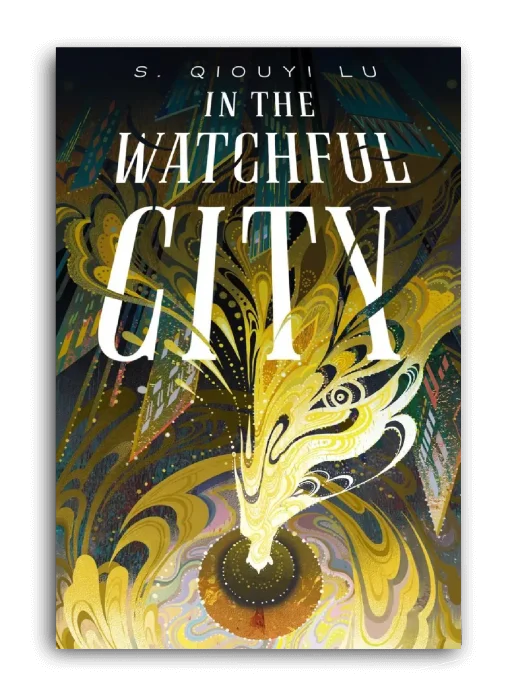
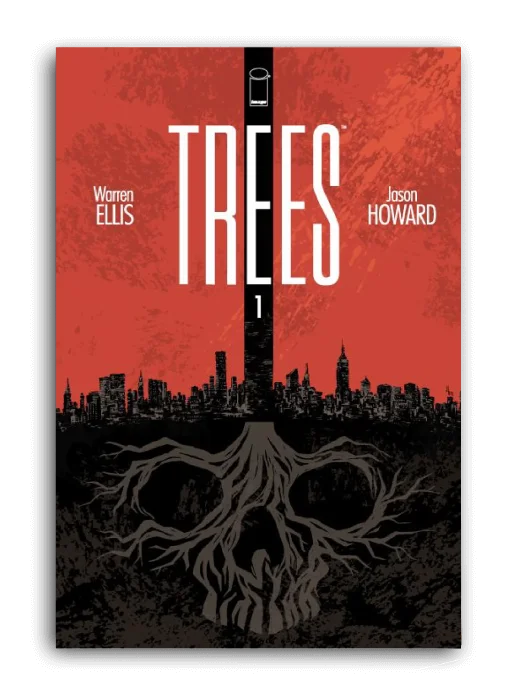
We have been able to successfully complete a number of projects of different dimensions and scopes. Business leaders, working professionals and large and small organizations are just a few of our clients. Here are some books we've written and published for our clients: