
The publishing world has changed dramatically over the last decade, and 2026 is proving to be the year of audio. If you are an author who has not yet converted your book into an audiobook, you are leaving money, readers, and influence on the table. Whether you are a debut novelist, a seasoned non-fiction author, or working with.
The publishing world has changed dramatically over the last decade, and 2026 is proving to be the year of audio. If you are an author who has not yet converted your book into an audiobook, you are leaving money, readers, and influence on the table. Whether you are a debut novelist, a seasoned non-fiction author, or working with a professional ghostwriting service to bring your story to life, the question is no longer whether to create an audiobook. The question is: how soon can you get started?
In this guide, we break down the hard data behind the audiobook boom, explain exactly why audio formats are non-negotiable in 2025, and walk you through a clear, actionable process to create your own audiobook from scratch.
The global audiobook industry has experienced explosive growth year over year, and 2025 marks a new high point. According to the Audio Publishers Association (APA), audiobook revenues in the United States alone surpassed $2.1 billion in 2023, representing a double-digit growth rate that has continued into 2024 and 2025. Globally, the audiobook market is projected to exceed $35 billion by 2030, growing at a compound annual growth rate (CAGR) of nearly 26%.
Here is what those numbers mean for authors:
Simply put, your readers are already listening. The only question is whether they are listening to your book or someone else's.
Modern consumers are busy. Commutes, gym sessions, household chores, and long flights have created a massive audience of people who love stories and information but rarely sit down with a paperback. Audiobooks let your work meet these listeners exactly where they are. A commuter who drives 45 minutes each way could finish your book in a single week. This is an audience you simply cannot reach through print alone.
Relying on a single format is a fragile publishing strategy. Audiobooks open an entirely new income channel. Through platforms like ACX (Audible's production marketplace), Findaway Voices, and Authors Republic, authors can earn royalties ranging from 25% to 40% per sale. A well-marketed audiobook can generate passive income for years after publication, running in parallel with your eBook and print sales rather than competing with them.
An audiobook is more than a product. It is a brand asset. Being listed on Audible signals credibility, professionalism, and reach. Combined with a strong author brand strategy, an audiobook elevates your profile in ways that a print or eBook alone cannot. Search engines and recommendation algorithms on audio platforms also drive organic discovery, meaning new listeners can find your work without any additional marketing spend.
Millions of readers now access books through subscription services like Audible Premium Plus, Scribd, and Spotify Audiobooks. These platforms pay royalties each time a subscriber listens to your title, creating a recurring, passive revenue stream. Every month your audiobook sits on these platforms, it has the potential to earn without any additional effort from you.
Artificial intelligence and voice technology are advancing rapidly, but human-narrated audiobooks still command a significant premium in listener preference and perceived quality. By building your audio catalog now, you establish a competitive advantage before the market becomes even more saturated. Authors who act in 2025 will own prime digital real estate while latecomers scramble to catch up.
Creating an audiobook may seem technically intimidating, but with the right approach it is entirely manageable. Here is a clear roadmap to go from manuscript to finished audio product.
Before you record a single word, your manuscript must be audio-ready. This means reviewing it for visual-only elements (charts, tables, footnotes) that do not translate well to audio and either replacing them with spoken descriptions or removing them. If your book was written with the help of a book writing service, now is the time to coordinate with your writer to create an audio-optimized version of the text.
You have three primary options:
If you are self-narrating, audio quality is non-negotiable. ACX requires a noise floor of -60 dB RMS or better, and a consistent room tone. You do not need a professional studio. A walk-in closet lined with clothing, a quality USB condenser microphone (such as the Audio-Technica AT2020 or Blue Yeti), and free software like Audacity or GarageBand can produce broadcast-quality audio.
Record chapter by chapter in a quiet, consistent environment. Edit for mistakes, mouth noise, and background sounds. Master your final files to meet platform specifications: ACX requires MP3 files at 192kbps, with each file measuring between -23 dB and -18 dB RMS, and a peak level no higher than -3 dB. Most professional audio engineers can master your files affordably, or you can use plugins like iZotope RX for self-mastering.
Once your audio is finalized, you have two main distribution paths:
For most independent authors in 2025, wide distribution is the smarter long-term strategy. It reduces platform dependency and maximizes your total market reach.
If your manuscript needs significant structural revision before audio production, or if you want to create an original audio-first product such as a podcast-style companion guide or an abridged version of your book, working with a professional ghostwriter can save you enormous time and produce a polished final product. Audio scripts have a distinct rhythm and pacing that differs from print prose. An experienced ghostwriting team familiar with audio formats will know how to write for the ear, not the eye, ensuring your audiobook holds listener attention from the first chapter to the last.
Creating your audiobook is only half the battle. Discoverability is what drives sales. Here are key SEO and marketing tactics specific to audiobooks:
Avoid these pitfalls that consistently derail audiobook projects:
The audiobook market is not slowing down. With over 74 million active listeners in the US alone and a global market on track to double within the next five years, the investment in audio is one of the highest-return publishing decisions you can make in 2025. Whether you self-narrate, hire a professional voice actor, or partner with a ghostwriting and publishing team to handle the entire production process, the important thing is to start. Your readers are listening. Make sure your voice is in their ears.
Absolutely. Ghostwriting has been a standard publishing practice for centuries. Countless bestsellers across memoir, business, and fiction have been written with ghostwriting support. What matters is that the ideas, story, and vision are yours — which is always true when you work with a professional.
Yes — many professional agencies offer flexible payment plans. Shadow Ghostwriter currently offers up to 50% off on consultation. Starting with a free consultation is the best way to understand your options without any commitment.
A standard 200-page book typically takes 2–3 months with a professional service. Larger or more complex projects with research and marketing components run 3–5 months. Rush timelines are often available at an additional cost.
With any reputable ghostwriting agency, yes — you retain 100% ownership and copyright. Shadow Ghostwriter explicitly guarantees complete content ownership in all their packages. Always confirm this in writing before signing any contract.
The most cost-effective route is a bundled agency package that includes writing, editing, and publishing. This avoids the "hidden cost trap" of hiring separately for each service — and typically delivers a higher-quality result with less friction.
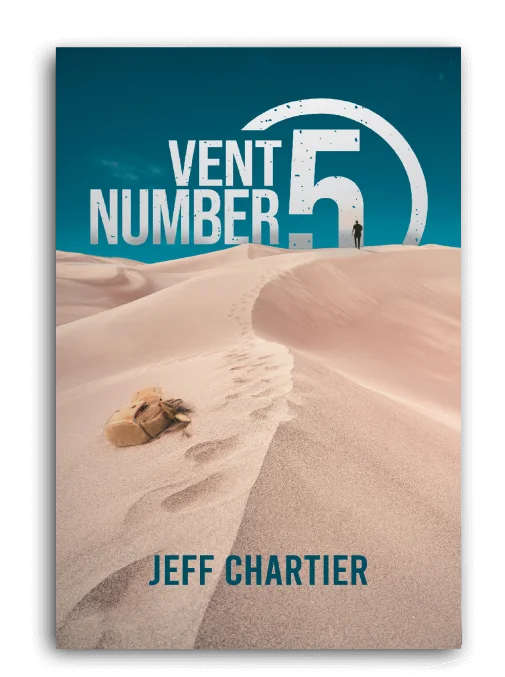
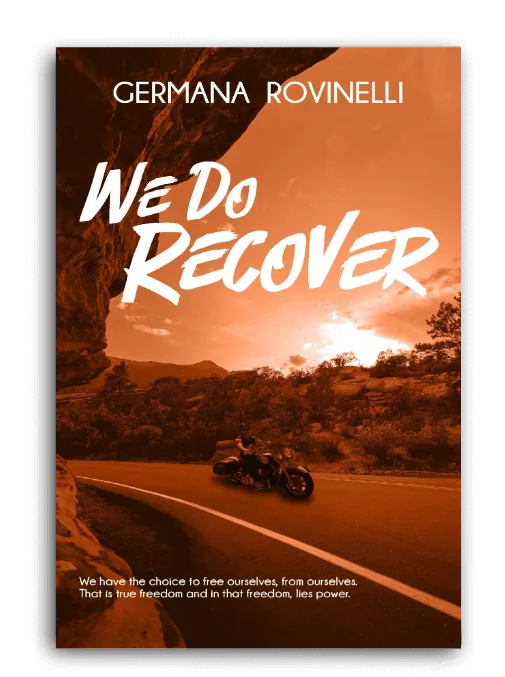
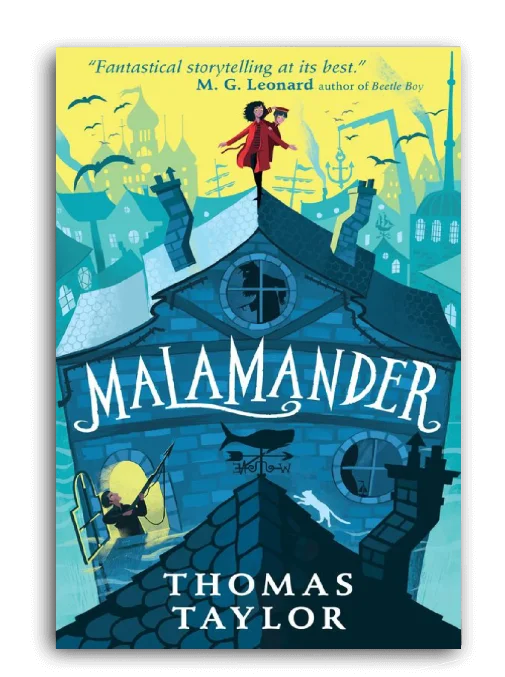
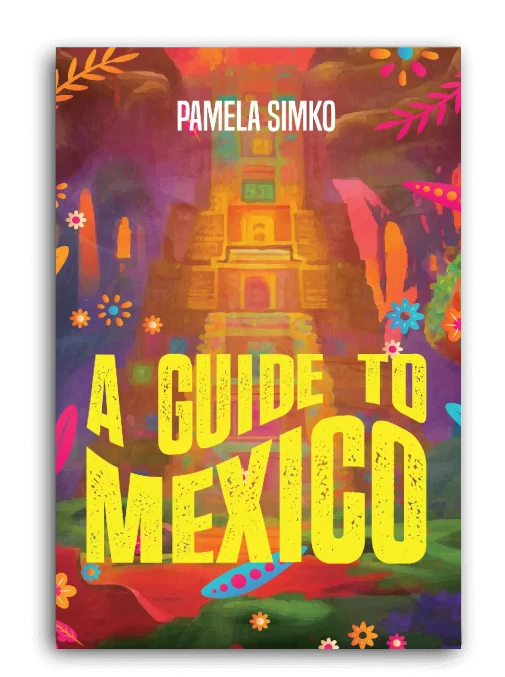
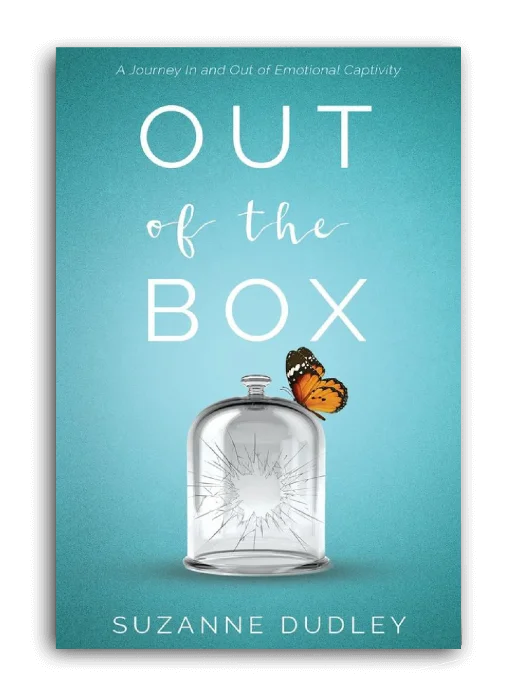
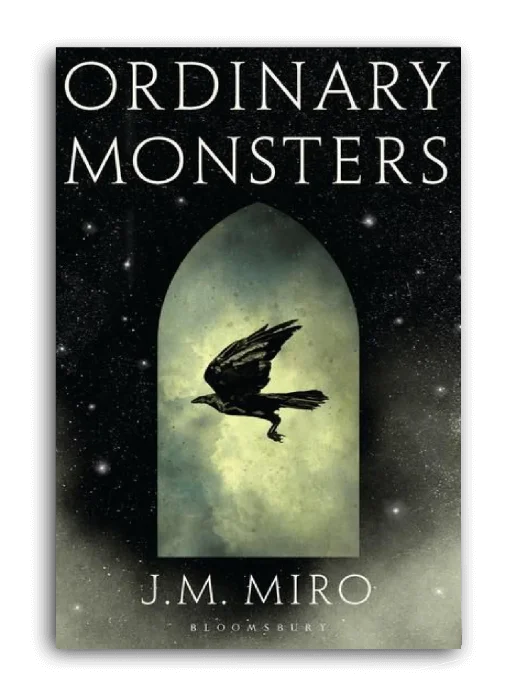
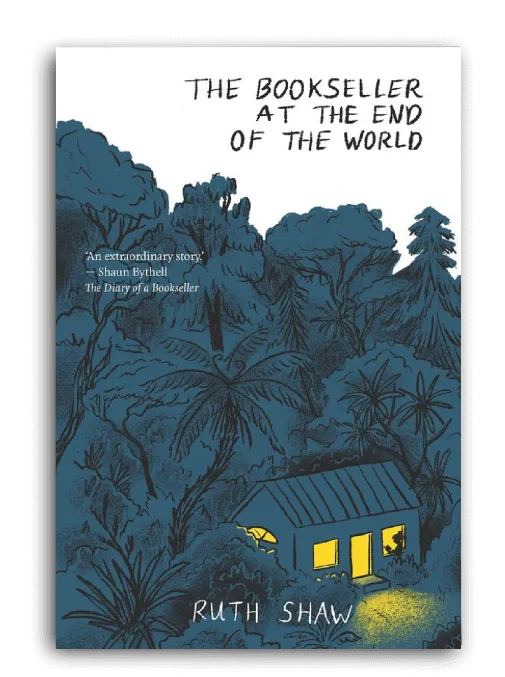
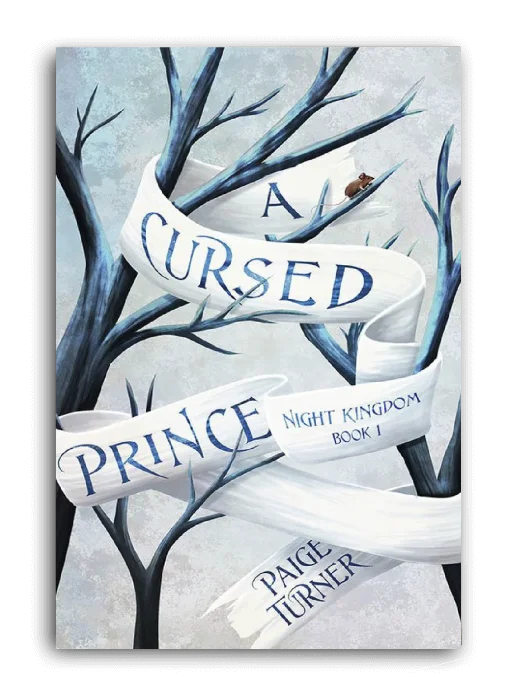
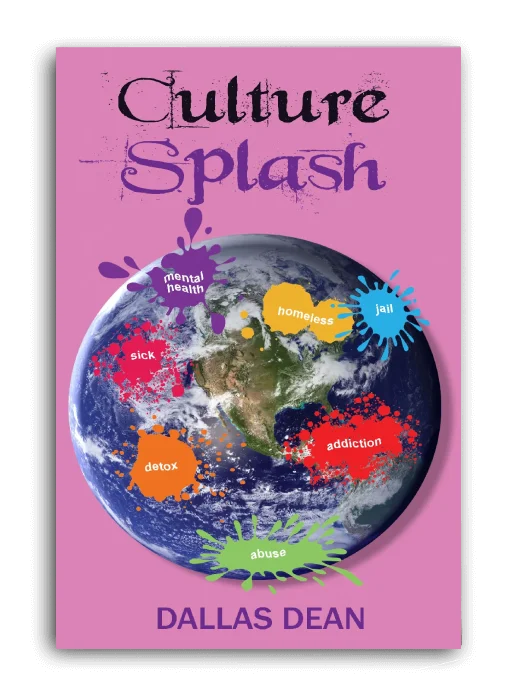
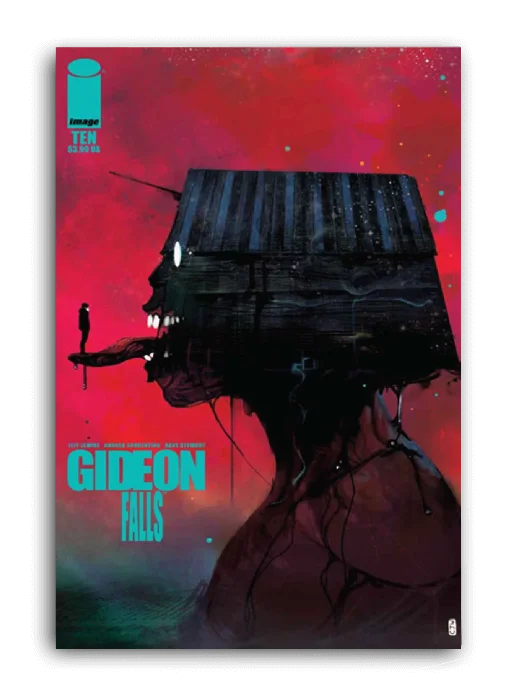
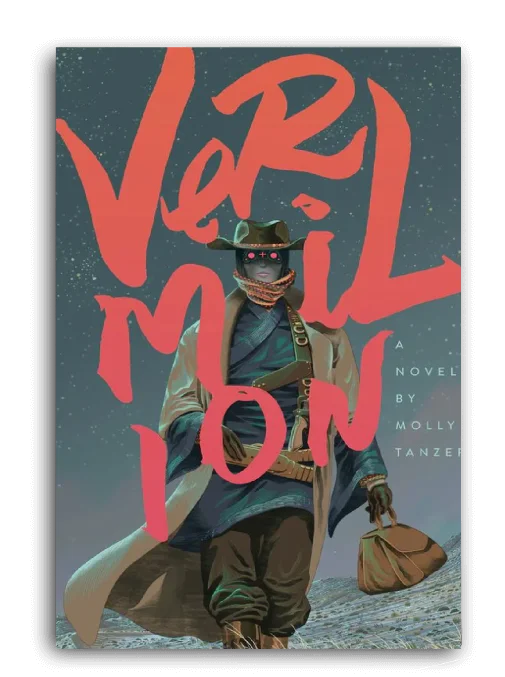
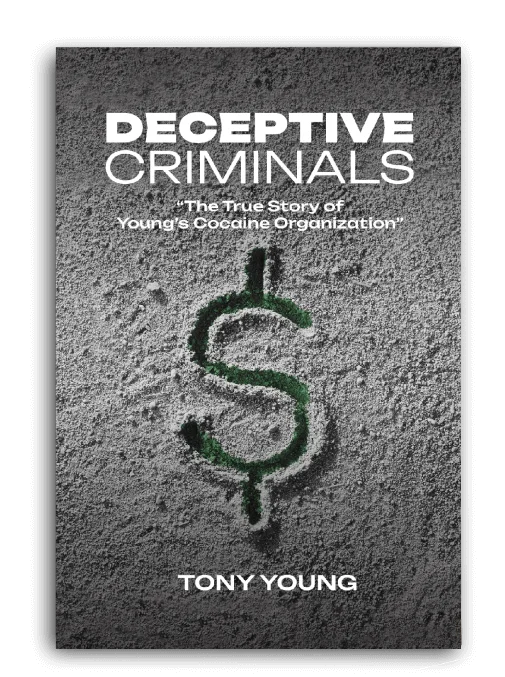
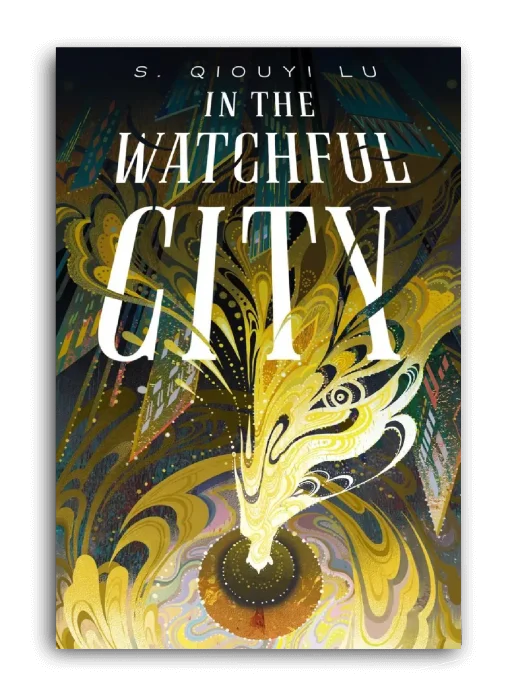
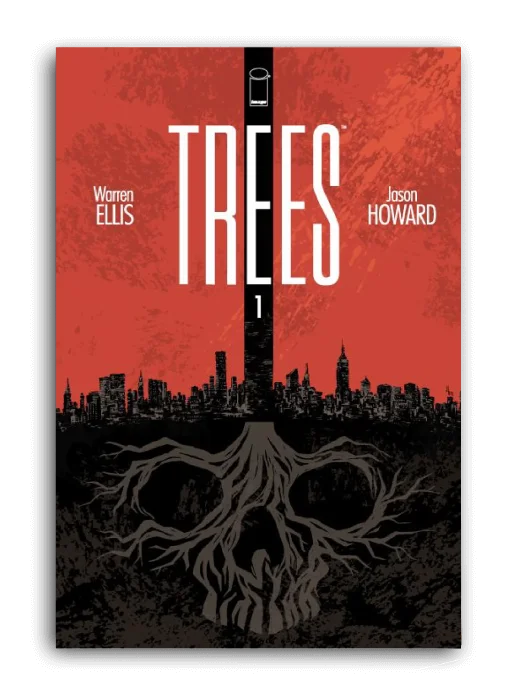
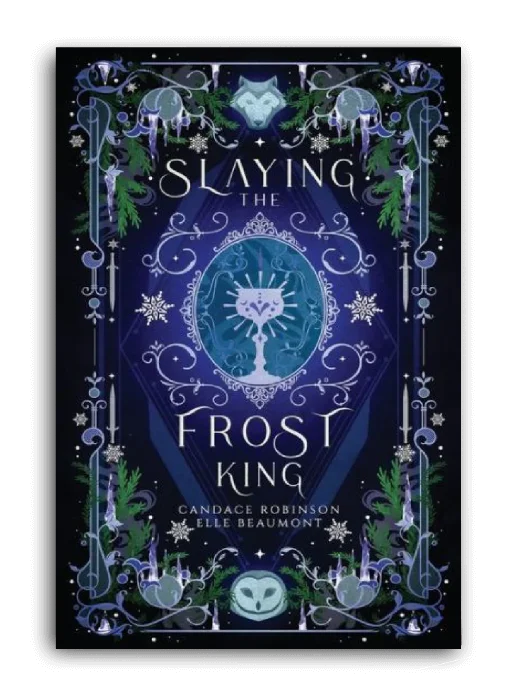
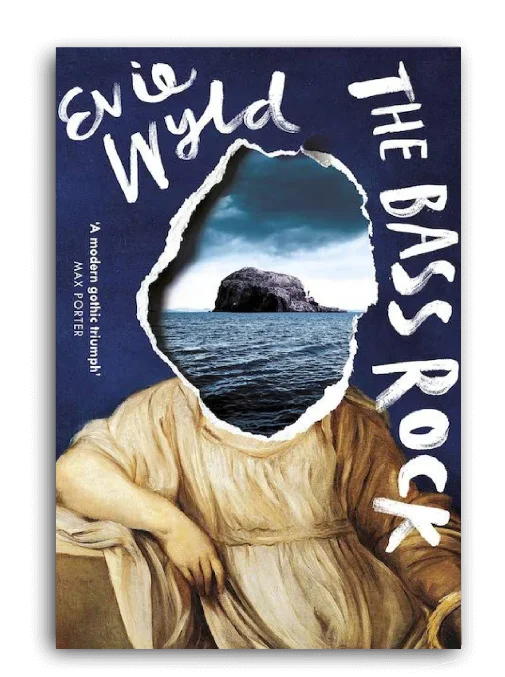
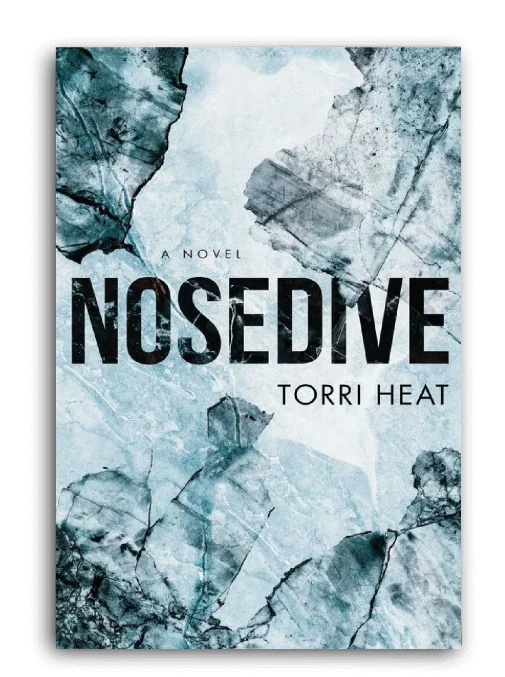
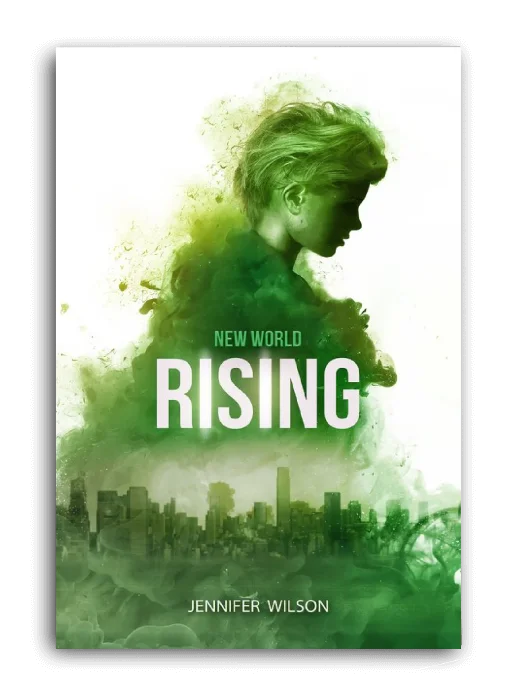
We have been able to successfully complete a number of projects of different dimensions and scopes. Business leaders, working professionals and large and small organizations are just a few of our clients. Here are some books we've written and published for our clients: